When you’ve already started mentally packing the sunscreen and hunting for your passport, the last thing you want to hear is that your plane might not even leave the tarmac.

We’re currently seeing a bit of a perfect storm hitting the aviation industry in 2026, with supply chain wobbles and geopolitical tensions creating some nervous whispers about jet fuel reserves. It’s the kind of uncertainty that can turn a meticulously planned getaway into a stressful game of “will they, won’t they” at the boarding gate.
While the airlines are doing their best to project a business-as-usual image, the reality of fluctuating fuel stocks means that some routes are looking a lot more precarious than others. Before you get too attached to that window seat, it’s worth looking at the cold, hard facts behind the headlines so you can decide if your holiday plans are actually on solid ground.
What’s actually happening with jet fuel?
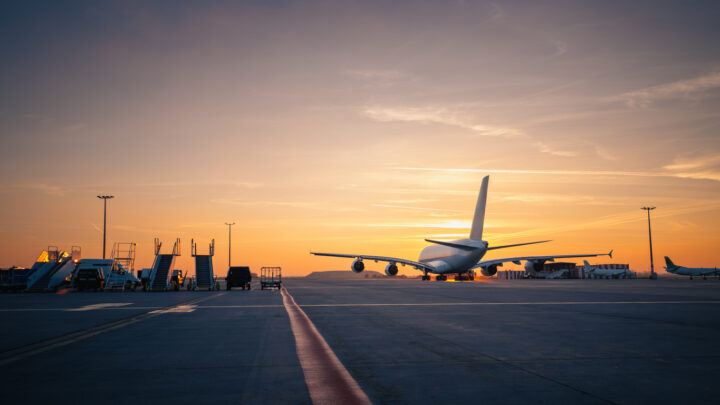
The short version is that the war between the US, Israel, and Iran has disrupted fuel supplies coming out of the Middle East, which is where a significant chunk of the UK’s jet fuel normally comes from. Reports have emerged that the last tanker carrying jet fuel from the Middle East to the UK is arriving imminently, which sounds alarming at first glance.
In reality, airlines and airports have been quick to point out that the UK sources fuel from several other places too, including the US, Nigeria, India, and the Netherlands, so we’re not entirely reliant on Middle Eastern supply chains.
Should you be worried about your Easter or spring flights?
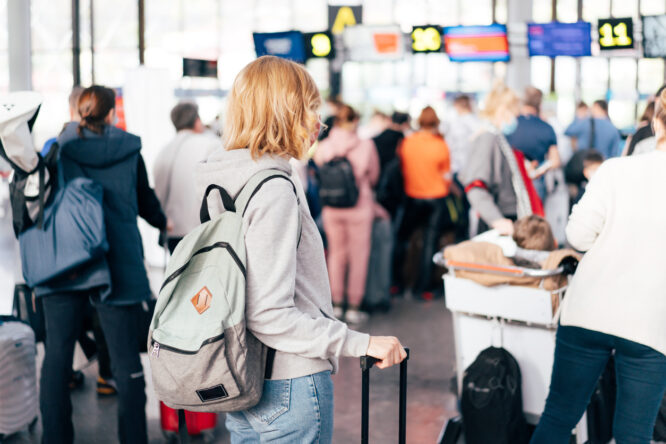
For anyone flying over Easter or through April, the consensus from the airlines is that you should be fine. All the major UK carriers have confirmed they’re confident fuel supplies are sufficient to cover the busy Easter period and the rest of the month.
The Department for Energy Security and Net Zero has also confirmed that jet fuel shipments are continuing to arrive in the UK from multiple sources, so if you’re heading away in the next few weeks, the current picture doesn’t give much cause for concern.
May and June are where the uncertainty starts.

Beyond April, things are less clear. Ryanair chief executive Michael O’Leary has been fairly candid about the risk, saying that if the war continues into May and June, somewhere between 10 and 25 per cent of Ryanair’s fuel supplies could be at risk. He’s also said that the fuel companies themselves are comfortable there won’t be disruption until at least early May.
The key variable is how long the conflict lasts. If the Strait of Hormuz reopens soon, the risk largely disappears. If it doesn’t, airlines operating in summer will be working with reduced supply and potentially higher costs.
The situation is worse in parts of Asia.
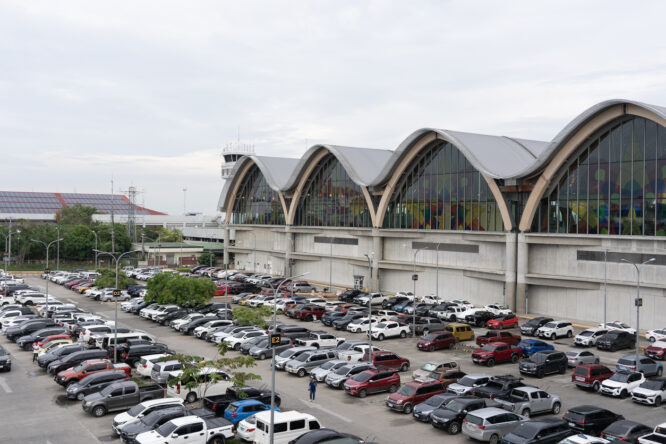
While the UK is managing the situation reasonably well so far, the picture in some parts of Asia is more concerning. Vietnam, and the Philippines have already seen airlines cancelling domestic and international flights due to fuel shortages, and Pakistan has issued a formal notice advising all foreign airlines to arrive carrying as much fuel as possible and to take on as little as they can from Pakistani airports. If you’ve got a trip planned to South East Asia, and you’re relying on budget carriers, it’s worth keeping a close eye on your bookings over the coming weeks.
What about long-haul flights through Asia?
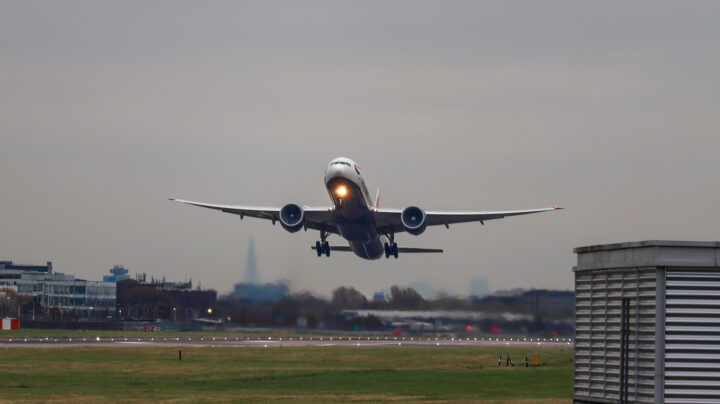
There’s an interesting knock-on effect for long-haul routes. For shorter flights like Dubai to Karachi, airlines can simply load up with extra fuel at departure, which is a standard practice known as tankering. For an 11-hour flight from Heathrow to Islamabad, that’s not so straightforward.
If individual airports start running short, airlines typically reroute to take on fuel elsewhere rather than cancelling, which can add time to journeys but keeps things moving. It’s worth being aware of this if you’re flying to South Asia over the coming months.
Some airlines are cancelling flights, but not for the reason you’d think.
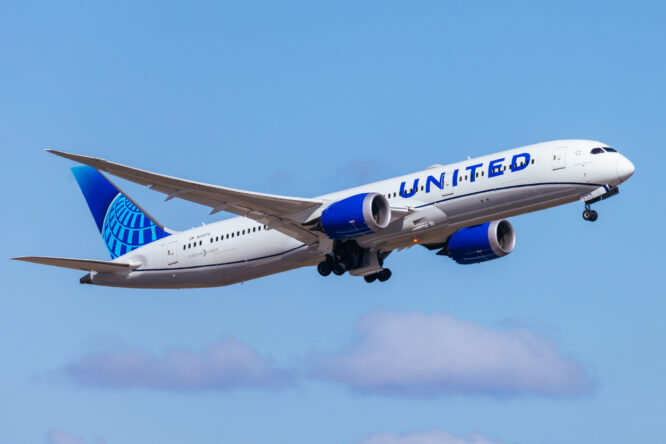
United Airlines and SAS have both announced the cancellation of thousands of flights, which sounds significant. The reason behind those cancellations is different from a physical shortage of fuel, though. These airlines didn’t lock in fuel prices in advance, so as costs have risen sharply, certain routes have flipped from marginally profitable to loss-making. It’s a financial decision rather than a supply one, but it does highlight just how much pressure the rising cost of aviation fuel is putting on the industry right now.
Will you be hit with a surcharge on your existing booking?

If you’ve booked directly with a major UK airline, the news here is reassuring. British Airways, easyJet, Jet2, Ryanair, and Virgin Atlantic have all hedged their fuel costs, meaning they locked into lower prices in advance and have no plans to pass surcharges onto existing passengers. So if you’ve already paid for your flight, you shouldn’t find yourself being asked to top up.
Package holidays are a different matter. Travel companies that didn’t hedge their fuel costs are legally allowed to pass rising fuel prices on to customers under the Package Travel Regulations. There’s no upper limit on what they can ask for. The important thing to know is that if the proposed surcharge is 8% or more of your holiday cost, you have the right to cancel and get a full refund. In practice, many surcharges end up landing right at that 8% mark, which on a £1,000 holiday works out at an extra £80.
Can you expect to pay more for future bookings?

If you haven’t booked yet, and you’re planning a summer holiday, higher fares are likely on the horizon. EasyJet’s chief executive has been straightforward about it, pointing out that the airline makes around £7 per seat and that if fuel costs rise by £10, prices have to go up to compensate. It’s a low-margin industry, and the sums don’t add up any other way. Booking sooner rather than later, while current pricing still reflects pre-disruption costs, could work in your favour.
What are your rights if your flight is cancelled?

If your airline does cancel your flight, UK air passenger rights rules still apply, regardless of the reason. The airline is required to offer you an alternative departure at no extra cost, or a full refund if no suitable alternative is available. Fuel shortages don’t change that.
The protections that exist for passengers haven’t been suspended, and airlines are well aware of their obligations. If you’re unsure about your specific booking, it’s worth checking the terms directly with your airline or travel company now rather, than waiting to see what happens.
What should you do right now?

The most practical thing you can do is check whether your booking is with an airline or a package holiday company, and if it’s the latter, read the small print around surcharges. If you’re flying in April, the current picture suggests you’ll be fine.
If you’re flying in May or June, keep an eye on updates over the coming weeks as the situation with the conflict develops. Avoid the temptation to panic-cancel or rebook unnecessarily because your consumer rights are actually in a strong position if the worst does happen and your airline makes the cancellation rather than you.