Love can be wonderful, but for some people it becomes something they can’t get enough of.

It gets to the point that they chase it at the expense of everything else in their life, and it can be incredibly harmful not just to themselves, but to the other, platonic relationships in their lives. The idea of ‘romance addiction’ explains why chasing relationships can feel more like a compulsion than a choice, and these behaviours illustrate what’s really going on.
1. You feel restless when you’re single.

Some people can enjoy periods of being single, but if you feel anxious or incomplete without a partner, it could signal a dependence on romance. That restlessness drives you to desperately pursue connection, even when it’s not right for you.
You can work on this by changing your focus to hobbies, friends, or personal goals. Building fulfilment outside relationships makes you less reliant on constant romantic involvement to feel secure.
2. You idealise new partners before you really even know them.

If you put someone on a pedestal too quickly, it often points to looking for a rush of love rather than seeing them clearly. Idealisation blinds you to red flags and keeps you hooked on the fantasy. You fall for who you think they are or who you think they have the potential to be rather than who they truly are.
Slow the pattern by grounding yourself in reality. Remind yourself that no one is perfect, and take time to see how they treat you consistently before deciding they’re everything you’ve dreamed of.
3. You chase intensity over stability.

Romance addiction often shows up as craving drama and passion over steady love. Relationships that feel calm might seem boring, even though they’re actually healthy, which pushes you to chase highs instead of balance. The thing is, the honeymoon phase always ends, and you have to have a solid foundation beneath it to keep things going.
To address it, you have to learn how to value consistency. Look for excitement in shared growth and meaningful connection, rather than relying solely on emotional rollercoasters to feel alive.
4. You move too quickly.
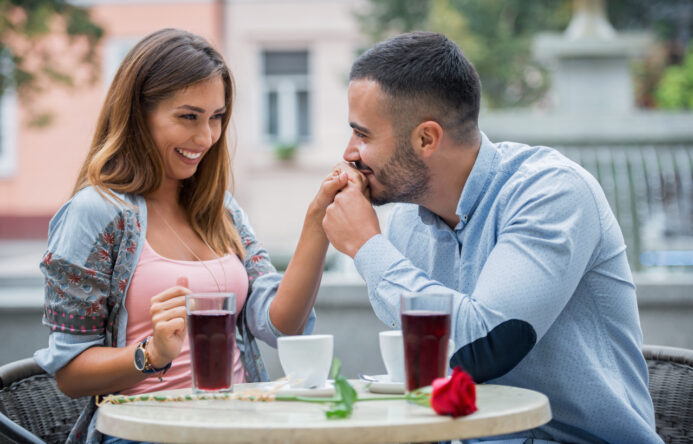
Jumping into relationships fast, declaring strong feelings early, or skipping stages can be a sign of using romance to fill a void. It feels thrilling at first, but it often leads to disappointment. Resist the urge by pacing yourself. Allow relationships to unfold gradually, and use the time to learn who the other person truly is before making big commitments.
5. You struggle with boundaries.

When romance feels addictive, personal boundaries often blur. You may sacrifice your own needs to keep the connection alive, which leaves you vulnerable to unhealthy dynamics or even exploitation. Make your boundaries rock solid by being clear on what you will and won’t accept. Practising small acts of self-respect builds confidence and prevents you from losing yourself in the relationship.
6. You’re terrified of abandonment.

A strong fear of being left can drive compulsive romantic behaviour. This fear keeps you clinging to relationships, even when they’re harmful, just to avoid feeling alone or rejected. Address the issue by recognising that your worth doesn’t depend on someone staying. Building self-trust and supportive friendships helps reduce the intensity of that fear in the long run.
7. You repeat toxic patterns without a second thought.

Romance addiction often pulls people back into the same harmful dynamics. Whether it’s choosing emotionally unavailable partners or falling for manipulative behaviour, the cycle repeats because the pull of romance feels stronger than the warning signs.
If you want to break the cycle, start reflecting on past relationships and noticing any common themes. Awareness of these patterns makes it easier to stop repeating them and choose differently next time.
8. You neglect other areas of life.

When romance takes over, work, friendships, or personal wellbeing can fall to the side. This tunnel vision creates an imbalance where love becomes the only source of purpose or satisfaction. It can only be corrected by deliberately investing time in other areas. Scheduling social plans, career goals, or self-care routines ensures romance isn’t the sole driver of your happiness.
9. You struggle to leave unhealthy relationships.

Even when you know a relationship is damaging, romance addiction can make it incredibly hard to walk away. The fear of losing the emotional hit keeps you locked in, despite the harm it causes. It’s possible to make leaving easier by getting support from trusted friends or professionals. Having outside voices remind you of your worth can give you the strength to step away when you need to.
10. You confuse obsession with love.

Love is about mutual respect and growth, but addiction makes it about obsession. Constantly thinking about someone, checking your phone, or needing reassurance might feel like passion, but it’s often dependence in disguise. Work on it by separating healthy affection from obsessive behaviour. Setting limits on contact and practising self-soothing helps reduce the urge to rely on constant validation.
11. You feel withdrawal after breakups.

Just like other addictions, romance addiction can create withdrawal symptoms. After a breakup, you may feel extreme emptiness, anxiety, or even physical stress as your body adjusts to the loss of constant romantic stimulation. Soften things by treating recovery as a healing process. Filling the gap with self-care, support networks, and gradual rebalancing helps reduce the intensity of withdrawal feelings.
12. You use romance to escape.

Sometimes romance becomes a way to avoid facing other problems. Instead of dealing with stress, loneliness, or personal insecurities, diving into a relationship gives temporary relief but leaves the underlying issues unresolved. Fight back by building healthier coping strategies. Journalling, therapy, or creative outlets can help you process challenges without leaning on romance as the only escape.
13. You mistake intensity for destiny.

When romance feels addictive, the strongest feelings often get mistaken for fate. You may believe the rush is proof someone is “the one,” even when it’s simply chemistry fuelling the obsession. Challenge this belief by reminding yourself that healthy love feels steady, not overwhelming. Looking at how someone supports you day-to-day is a better guide to compatibility than pure intensity.