
We spend around a third of our lives in bed, so choosing the right mattress is one of the most important buys for a good night’s sleep.

Of course, many of us hang on to old mattresses for too long, rush into buying in the sales or pay over the odds for features we don’t need. Product testers who have tried hundreds of mattresses say a few common mistakes can lead to wasted money and restless nights. Here are five things to avoid when it comes to your mattress, plus tips to help you find the right one.
Keeping a mattress for too long is not a good idea.
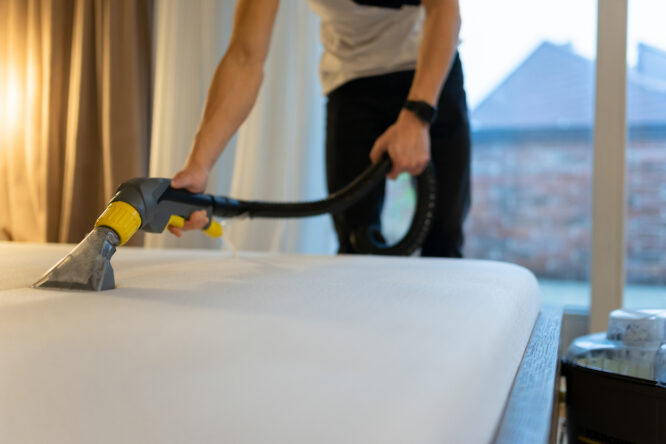
Consumer group Which? recommends replacing your mattress every eight to 10 years, but almost half of its members say they keep theirs for longer. If you spend around seven hours a night in bed, that adds up to more than 25,000 hours over ten years, which takes its toll on any mattress.
Signs your mattress needs replacing include sagging, lumps, springs you can feel or waking up stiff and achy. Mattresses also soak up sweat and dead skin, as we lose around half a pint of moisture each night and shed about a pound of skin a year, which creates the perfect home for dust mites.
Buying on impulse in the sales is unnecessary.

It can be tempting to snap up a mattress as soon as you see a big discount, but rushing could mean ending up with one that doesn’t suit you. Mattress deals come around very often, so there’s usually no need to panic-buy.
Some sellers use pressure tactics, such as suggesting an offer is about to end when it’s not. Take your time, read reviews and compare prices, and if you find a mattress you like at a price you don’t, keep an eye on it, as it’s likely to be reduced again.
Ignoring the small print on guarantees could come back to bite you.

Mattress guarantees can vary a lot, even between mattresses from the same brand. Some only cover specific problems, such as broken springs or loose stitching, and may not cover damage caused by cleaning or handling the mattress the wrong way. You could also lose your guarantee by using the mattress on an unsuitable bed frame, such as one with slats spaced too far apart. Some brands also set weight limits, so check these details carefully before you buy.
Understanding sleep trials is important if you want to try one yourself.

Many mattress companies offer sleep trials, which let you try a mattress at home for anything up to a year and return it if you’re not happy. However, the terms can differ, as some offer a full refund, while others only let you swap it for a different mattress.
Some retailers charge for collection, and many require you to use a mattress protector during the trial, as they won’t accept a stained mattress back. Remember that guarantees and trials are extra to your legal rights, so if a mattress is faulty, you’re still protected under consumer law.
Trusting orthopaedic labels could be a painful experience.

Back pain is very common, so it’s natural to hope a new mattress might help. However, labels such as orthopaedic, or names that sound medical, don’t always mean a mattress is better for your back, as they’re often just marketing.
Instead, look for a mattress that supports your spine well in the position you usually sleep in, whether that’s on your back, side, or front. If you have ongoing back pain, see your GP or a physiotherapist for advice rather than relying on a mattress alone.
Spending more than you need to is a bit silly.

Some mattresses can cost more than £3,000, but a higher price doesn’t always mean better quality or a better night’s sleep. Product testing has found some excellent mattresses that cost less than £200. Set a budget before you start shopping and focus on how well a mattress supports you, rather than fancy features or brand names. Reading independent reviews can help you find a good-quality mattress at a price that suits you.
Choosing the right mattress for you is the most important thing.
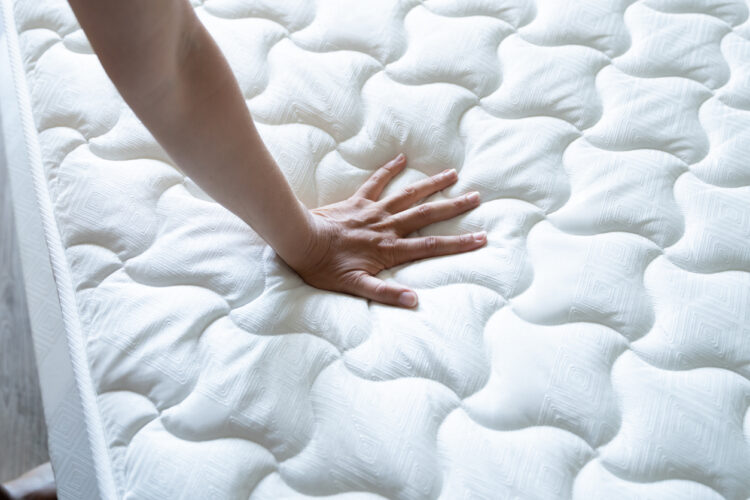
If possible, try lying on mattresses in a shop for at least ten minutes in your usual sleeping position, wearing comfortable clothes. If you share a bed, try them together, as you’ll both need to feel comfortable.
Your weight and sleeping position can affect which firmness suits you best, with side sleepers often preferring a softer feel and back and front sleepers a firmer one. Using a mattress protector and turning your mattress regularly, if the instructions allow, can help it last longer.
Getting rid of your old mattress
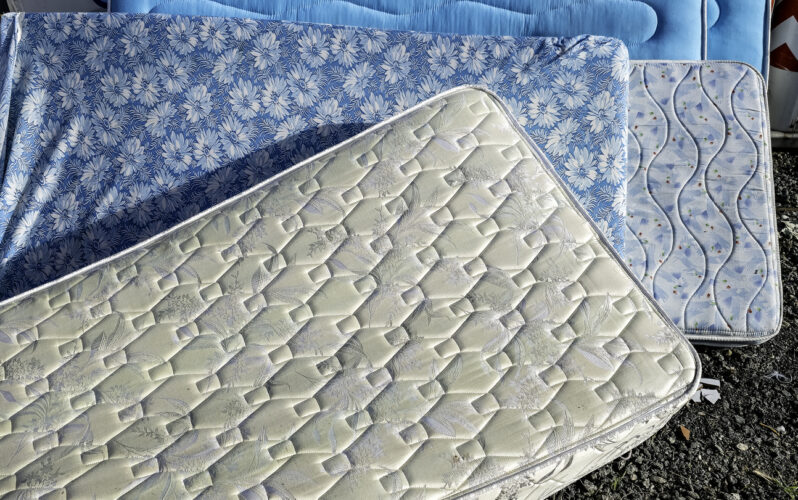
When it’s time to replace your mattress, check whether the retailer offers to take your old one away, as many do for a small fee. Your local council may also collect bulky items, sometimes for a charge. Some charities accept mattresses in good condition, but most need them to have a fire safety label attached. Recycling centres can also take old mattresses, helping to keep them out of landfill.