Marriage was once something most people in Britain expected to do in their early twenties.

Today, far fewer couples are walking down the aisle, and those who do are often much older. The topic has been back in the news after a political proposal to give married couples with children priority for social housing sparked a fierce debate. Some argue marriage brings real benefits to families and children and should be encouraged, while others say people should be free to build their lives however they choose. Marriage has certainly changed, and it’s causing such strong opinions.
There’s been a sharp fall in marriage rates across the board.

Fifty years ago, getting married was the norm for most adults, and in 1970, there were close to 80 marriages for every 1,000 men in England and Wales. Today, that figure has dropped to around 18, showing just how much attitudes and lifestyles have changed over the decades.
People are also marrying much later than they used to, with the typical age for men entering their first marriage or civil partnership now around 33. For centuries, most couples settled down in their early twenties, so this represents a big change in how people plan their lives.
Divorce isn’t the main reason.

Divorce rose sharply in the late twentieth century, but it has actually been falling for many years. That means the decline in marriage is less about couples splitting up and more about fewer couples choosing to marry in the first place. Many couples now live together, buy homes and have children without getting married. Some decide to tie the knot later, and around one in four couples who marry do so within seven years of having a child.
There’s a growing divide between rich and poor.

Research suggests that marriage has become far more common among wealthier families than among those on lower incomes. Only around a fifth of children born into the poorest white working-class households have married parents, compared with around 85% of children in the richest families.
One reason may be the soaring cost of weddings, which can make marriage feel out of reach for couples on tight budgets. A simple register office ceremony costs much less, but some people feel it’s not special enough, so they put off marrying altogether.
There’s still a case for encouraging marriage.

Supporters of marriage argue it’s linked to more stable family lives, better outcomes for children and less reliance on government support. Some research suggests that family background can have a big effect on children’s wellbeing, education, and development.
They also point to the tax system, where a married couple with one earner on £60,000 can pay more than £7,000 a year extra in tax compared with a couple who each earn £30,000. Some believe the government should do more to support married families through tax and housing policy.
The case against marriage is equally as strong.

Critics argue that giving married couples special treatment would be unfair to single parents, many of whom do an incredible job raising their children alone. Lots of people are single parents through no choice of their own, after a partner has died or left.
They also point out that not every marriage is happy, and some can be unhealthy or even abusive. Linking marriage with better outcomes doesn’t necessarily mean marriage itself is the cause, as married couples may differ from unmarried couples in many other ways, such as income and education.
How society has changed over the years
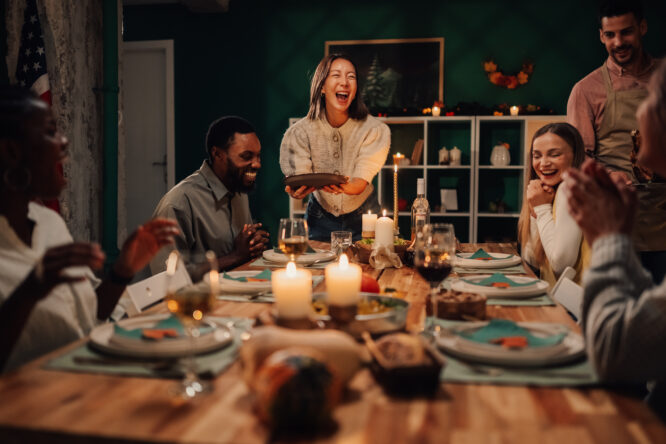
Today’s culture places a lot of importance on personal freedom and choice, and many people feel marriage is a personal decision rather than something they’re expected to do. Same-sex marriage, cohabiting couples and blended families are now a normal part of British life.
At the same time, some argue that committing to one person for life has become an unusual choice that runs against modern trends. Whichever view people take, the debate shows how strongly many feel about family life and the role marriage should play in it.
Things to know if you’re thinking of marrying

Getting married or forming a civil partnership can bring legal and financial benefits, such as automatic inheritance rights and some tax advantages. For example, if one partner earns less than the tax-free personal allowance, they may be able to transfer part of it to their spouse through the Marriage Allowance, which can save up to £252 a year.
Couples who live together without marrying don’t have the same legal rights, despite the common myth of a so-called common-law marriage. If you’re unmarried, making a will and checking how you own your home can help protect each other, and you can find more information on the GOV.UK and Citizens Advice websites.