Monopoly is one of the best-loved board games of all time, and for good reason.
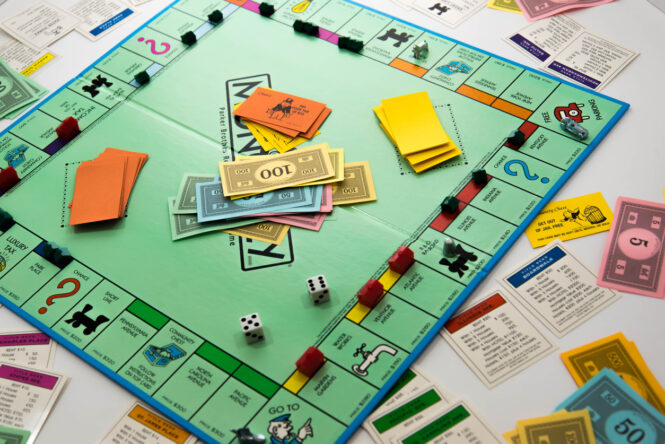
That being said, most families know how a typical game goes, starting with plenty of excitement before dragging on for hours until everyone gives up and agrees on a winner. It turns out that much of this is down to the fact that many of us don’t play by the official rules at all. A video explaining one forgotten rule has got people talking, and it could make your next game much quicker and far more exciting. Here’s how it works, along with the surprising history of the game itself.
There’s one rule in particular that most people skip.

The rule in question is known as the auction rule, and it’s been part of the official instructions for a very long time. When a player lands on a property and decides not to buy it, or can’t afford it, the property doesn’t simply stay with the bank until someone else lands there.
Instead, it goes straight up for auction, and every player can bid for it, including the person who chose not to buy it at the full price. Bidding can start at any amount, so a valuable property could end up selling for much less than the price printed on the board.
Following this rule understandably makes the game faster.
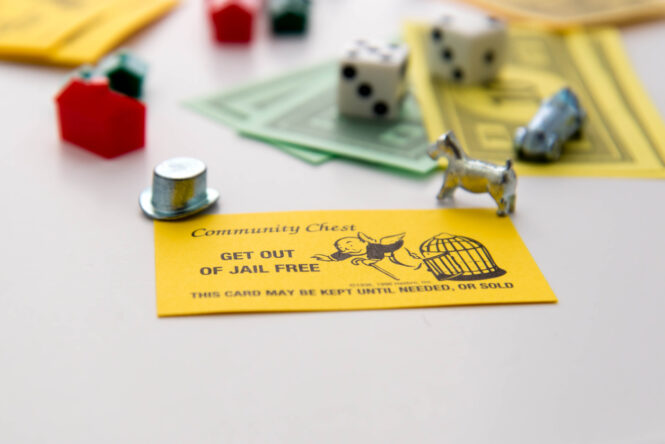
Because properties are snapped up so quickly, the board fills up much sooner and players can start building houses and hotels earlier in the game. That means rents rise faster, money changes hands more quickly and players start running out of cash, which brings the game to an end.
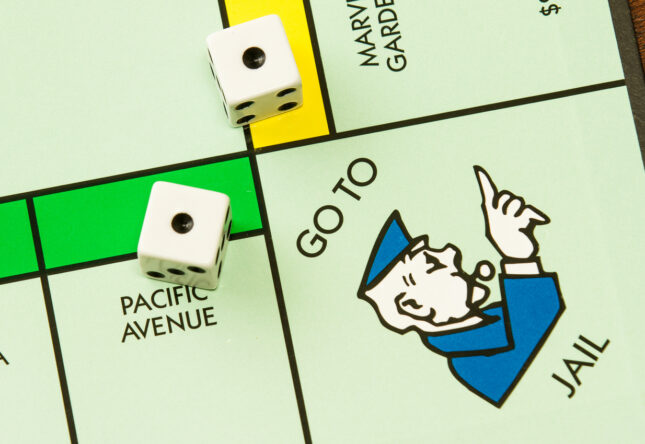
The auction rule also adds an extra layer of strategy, as players need to decide how much they’re willing to spend and when to hold on to their money. Imagine picking up Mayfair for a bargain price because nobody else wanted to bid high enough, and you can see how quickly the game can change.
There are other popular house rules that aren’t exactly official.
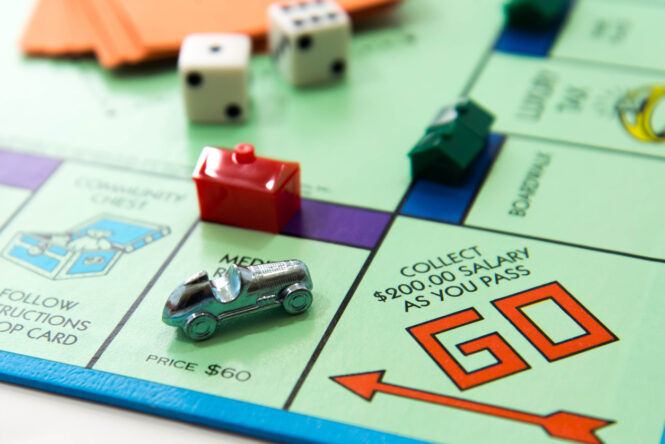
Many families have their own house rules, often passed down from parents and grandparents, and plenty of people don’t realise they’re not part of the official game. One of the most common is the Free Parking jackpot, where tax and fine money goes into the middle of the board for whoever lands on Free Parking, even though the official rules say nothing happens on that space.
Other popular house rules include collecting double money for landing directly on GO, not allowing anyone to buy property on their first trip around the board and stopping players in jail from collecting rent. Under the official rules, players in jail can still collect rent, so this house rule actually makes the game slower and gentler than intended.
Why house rules took over
One reason house rules are so common is that few people sit down and read the official instructions. Instead, they learn the game from friends and relatives, and over time those home-grown rules start to feel like the real thing. It’s likely that some players dropped the auction rule to slow the game down or make it less ruthless. Ironically, many popular house rules soften the harsh side of the game, which is interesting given why Monopoly was created in the first place.
The history of Monopoly is surprising to many people.
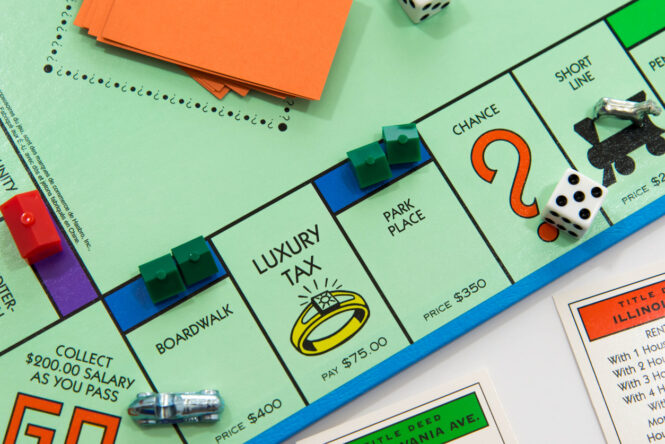
Monopoly began life as a game called the Landlord’s Game, patented in 1904 by an American woman named Lizzie Magie. She designed it to show how unfair it could be when a few people owned most of the land and wealth, and it came with two sets of rules, one where wealth was shared and everyone could win, and another where players tried to bankrupt each other.
Years later, a salesman named Charles Darrow created his own version based on the ruthless rules and sold it to the games company Parker Brothers, which later paid Magie just $500 for her patent and no royalties. A British version from Waddingtons followed in 1935, featuring famous London streets and stations that are still on the board today.
There are other ways to speed up your game if you’d like to cut things short.

If you’d like a quicker game but aren’t ready to try the auction rule, some editions of Monopoly include an official short version in the rule book. In this version, each player is dealt a couple of properties at the start, which gets the game going much faster.
You could also agree on a time limit before you begin and count up who has the most money and property when time runs out. Dropping the Free Parking jackpot is another simple way to stop players being rescued at the last minute, which helps the game reach a natural end.
Make sure to keep game night fun—that’s the whole point!

Before you start, agree on which rules you’ll use, so there are no arguments halfway through. If you’d like to try the official rules, it’s a good idea to read through the instructions together before the first roll of the dice. Whichever way you play, Monopoly is a great excuse to spend time with family and friends, especially on chilly evenings. Giving the auction rule a go might just mean that, for once, someone actually wins before bedtime.