Getting off to sleep is heaven for some people, while others will do anything to stay up and squeeze a bit more out of the evening.

Everyone seems to have an opinion on what works, with some claiming you need as much shut-eye as possible and others bragging they can run on practically nothing.
People who study sleep have looked past the noise to figure out what our bodies actually need to feel rested. Looking at the simple facts helps clear up the confusion, making it much easier to see how much rest you really need and how to get it without overthinking things.
Many people don’t realise just how important sleep is.
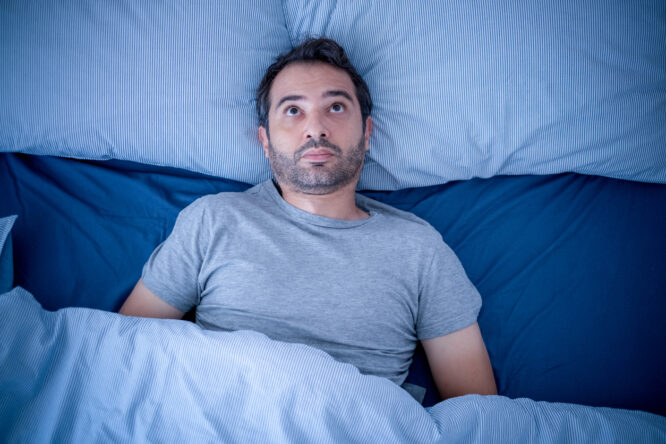
Sleep is when your body and your brain get ready for tomorrow. While you sleep, your body grows and rests, and your brain tidies up all the things you learned. When you wake up, you’re ready to play and have fun—at least that’s the theory. If you don’t sleep enough, you feel grumpy and slow. It’s harder to listen, to remember things and to be kind. That’s true for children, and it’s true for adults too.
Two big ideas about sleep are taking over.

One idea is called sleepmaxxing. It means trying to get as much good sleep as you can. People who try it use special tricks, such as tape on the mouth, noisy machines and heavy blankets. The other idea is called sleep training. It means trying to sleep less, so that you have more time awake. People who try it say they only need a few hours. The experts looked at both ideas, and neither is as good as it sounds.
The tape trick isn’t recommended, but many people try it.
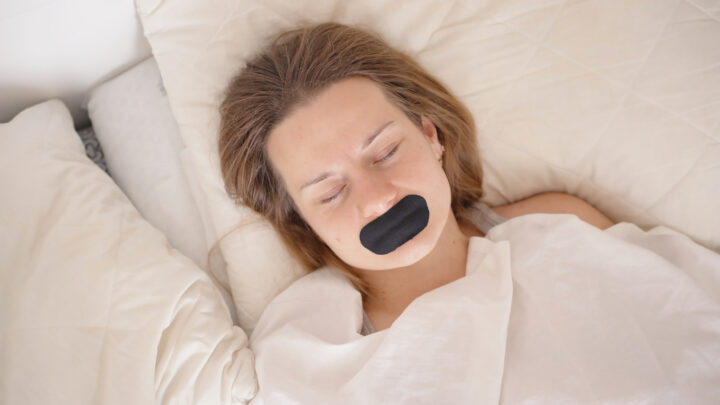
Some people put a small piece of tape over their mouth at night. They hope it will make them breathe through their nose. Experts say this is not a good idea for most people. If your nose gets blocked, you need to be able to breathe through your mouth. Tape can make that hard, and it can even be dangerous. Children should never put tape on their mouth. If you ever find it hard to breathe at night, tell a grown-up straight away.
Noisy machines and heavy blankets are helpful to many, but evidence is scarce.
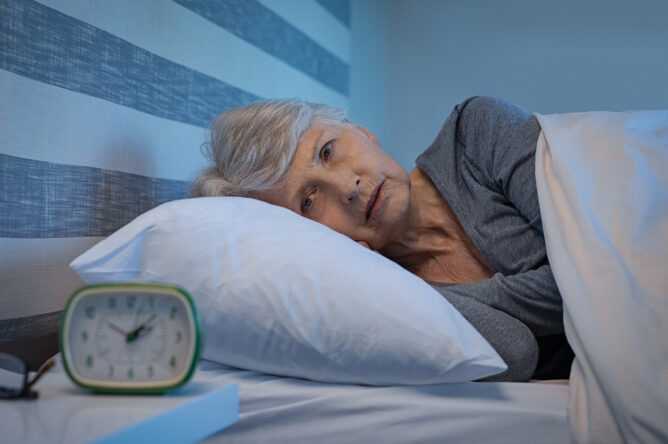
Some people turn on a machine that makes a soft, steady noise, called white noise. It can cover up loud sounds, such as traffic or a busy hospital ward. It can also help some babies to settle down. In an ordinary quiet bedroom, there’s not much proof that it helps.
Heavy blankets are another idea. People think the weight feels calming, and they may help some people who have trouble sleeping. Experts say they still need to find out more. A cosy blanket that you like is just fine, and you do not need a special one.
Can you train yourself to sleep less?

Some people on the internet say they sleep for only six hours, or even three. They want more time to work and play. A few people really can sleep for a short time and feel fine. They’re born with a very rare change in their body, and only about one or two in every hundred people have it.
The rest of us cannot copy them. Experts say your body decides how much sleep you need, and you cannot teach it to need less. You might keep going for a little while, but it costs you. You will feel more tired and more grumpy, and your brain will not work as well.
What happens when you don’t sleep enough

When you’re very tired, your body feels hungry and wants lots of snacks. Over a long time, not getting enough sleep can make people ill. It can affect the heart, the way the body uses sugar and how well the brain works. People who work at night find it extra hard. Their bodies want to sleep when it’s dark, even when they’re at work. Many of them never get used to it. That’s why people who work at night need good rest whenever they can get it.
How sleep is different for animals

Animals sleep in some very surprising ways. Some sea animals sleep with only half of their brain at a time. That way they can keep swimming and stay safe while they rest. Big cats, such as lions and tigers, sleep for many hours in a zoo. In the wild, they sleep for much less because they have to look for food and keep safe. It shows that how much we sleep can change with where we live and what we need.
How much sleep is right for you?
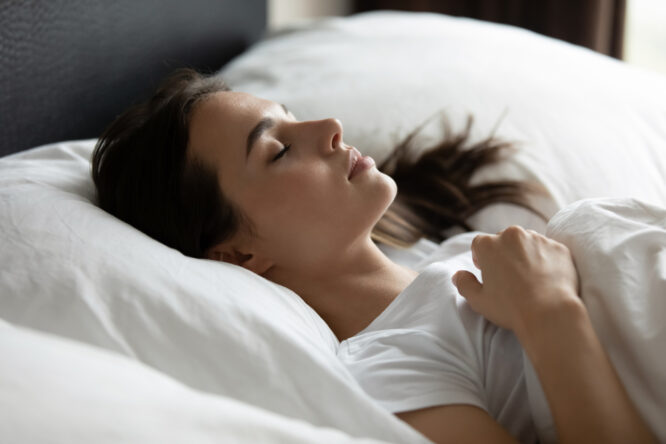
Most adults need about seven to nine hours a night. Children need more sleep than adults, and your own adult can tell you what’s best for you. These numbers are only a guide, of course, because everybody is a little bit different.
Sleeping far too little or far too much can both cause problems. What matters most is having a steady pattern, with the same bedtime and wake-up time on most days. Experts say that a regular pattern is just as important as the number of hours.
Simple things that really help
The best tips are not fancy. Keep your bedroom cool, dark, and quiet. Go to bed at the same time each night. Do something calm before bed, such as having a bath, reading a story, or listening to soft music. Turn off screens before you go to sleep. In the morning, open the curtains and get some daylight—it helps your body know that it’s time to wake up. Adults should avoid coffee in the evening. You don’t need any special tricks to have a good night’s sleep, only a few good habits.