Feeling lonely is far more common than many people realise, and it doesn’t only affect those who live alone or rarely leave the house.

A recent survey by Bumble across Europe found that more than half of adults hadn’t made a single new friend in the past year, even though six in ten said they wanted to. Experts have started calling this a friendship recession, and it’s changing the way many of us connect with others, with some people even turning to AI for company. The good news is that friendships can still be built at any age, as long as we’re willing to put in a little time and effort.
Making friends feels so much harder as an adult, and that’s because it often is.

When we’re young, friendships tend to form almost by accident because school, college, and clubs put us in the same place as other people day after day. As adults, those shared routines start to fade, and busy work schedules, family commitments and moving house for jobs mean we often don’t see the same faces regularly enough for friendships to grow naturally.
Remote and hybrid working has also removed many of the casual chats that once happened over a cup of tea or a lunch break. The pandemic made things harder still, as many people got used to spending more time at home and gradually lost touch with the groups and activities that once kept them connected.
It’s possible to be lonely, even with a busy life.

Loneliness isn’t always about being alone, and plenty of people with packed diaries, families, and jobs still feel disconnected. Some describe being surrounded by people all day yet feeling as though everyone else already has their own group of friends while they’re left on the outside.
Social media can add to this feeling because although it seems to keep us in touch, scrolling through other people’s highlights can leave us feeling more left out than before. Spending lots of time online when we’re feeling low can also become a cycle that makes loneliness worse rather than better.
Loneliness affects our physical health, not just our mental health.
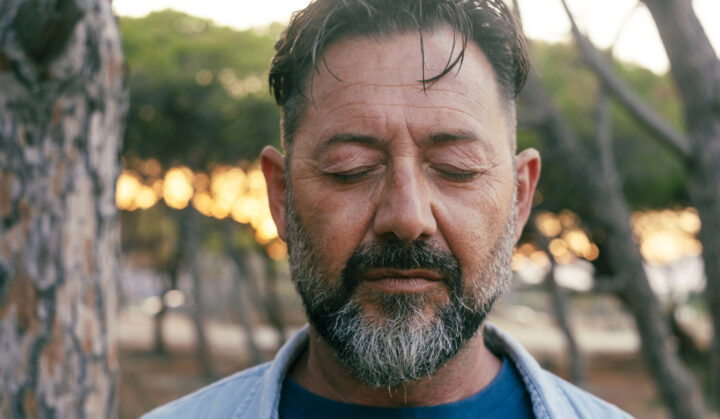
Loneliness is more than just an unpleasant feeling, as it can take a real toll on both body and mind. Feeling cut off from others for a long time can raise stress levels, disturb sleep and has been linked to low mood, anxiety and a higher risk of heart problems.
That’s why loneliness is now treated as a serious public health issue in the UK, where the government has a minister responsible for tackling it. Looking after our friendships is increasingly seen as being just as important for our wellbeing as eating well, staying active and getting enough sleep.
The rise of AI companions is a direct result of our collective loneliness.

As friendships become harder to form, some people are trying AI chatbots and apps designed to hold conversations and offer emotional support. Because they’re available at any time and never get tired of listening, they can feel comforting for people who are struggling to find company elsewhere.
However, an app can’t replace the warmth of a real friend who shares a laugh, offers a hug or turns up when you need them. If you do use one, think carefully about the personal details you share, and try to see it as a stepping stone towards real-life connection rather than a substitute for it.
Making new friends takes regular effort.

The key to building friendships as an adult is showing up regularly, so the same people get to know you over time. Joining a weekly fitness class, walking group, choir, book club or hobby group gives you a reason to see familiar faces, and those small chats can slowly grow into friendships.
It can feel awkward at first, and many people are tempted to give up after one or two visits, but sticking with it usually pays off. Making the first move by inviting someone for a coffee or suggesting a walk can also make a big difference, as most people are pleased to be asked.
There are ways to meet new people if you want to expand your circle.
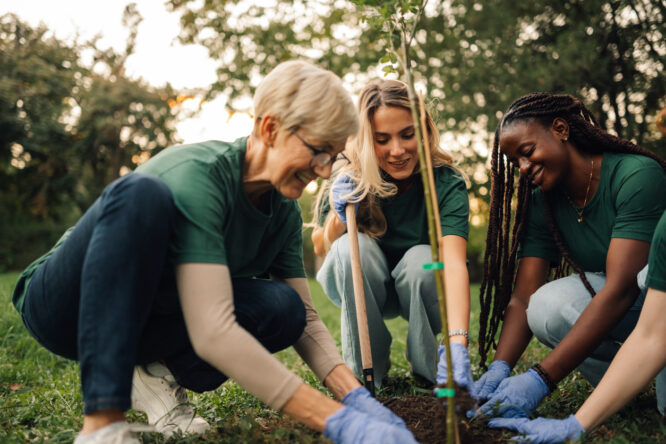
Volunteering is a great way to meet others, as working alongside people who care about the same things makes it easier to connect. Local charities, community gardens, food banks and litter-picking groups often welcome new volunteers, and you’ll feel good about helping your community at the same time.
There are also friendship apps that help adults find new friends nearby, along with free events such as weekly parkruns that welcome walkers and runners of all abilities. Older adults may enjoy local U3A groups or Men’s Sheds, while charities such as Age UK offer befriending services for people who’d like regular company.
Quality matters more than quantity.

You don’t need a huge circle of friends to feel happier and more supported because a couple of close friendships can make a bigger difference than lots of casual acquaintances. Rather than trying to build an entirely new social life, it can help to focus on strengthening one or two friendships you already have.
This idea is sometimes called slow friendship, and it’s all about spending time with the same small group of people over months and years. Simple habits such as sending a follow-up message after meeting, arranging a regular phone call or setting a reminder to check in with an old friend can help keep those bonds strong.
Take small steps towards feeling connected—they pay big dividends.

Building friendships as an adult may take longer than it did when we were younger, but it’s never too late to start. Treating friendship as part of looking after yourself, alongside sleep and exercise, can help you make room for it in a busy week.
If loneliness is affecting your mood or daily life, talking to your GP can help, and charities such as Mind offer free information and support. If you’re struggling and need someone to talk to, Samaritans are available day and night for free on 116 123.