Sticking a “for sale” sign in the front garden used to guarantee a queue of eager viewings by the weekend.
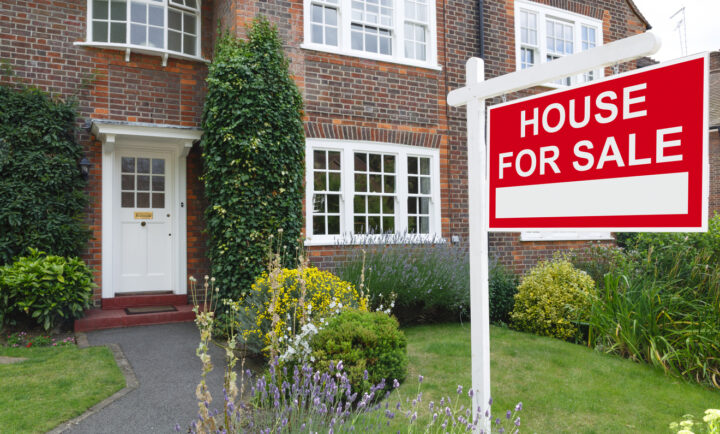
However, selling a house in Britain has turned into a real waiting game. With mortgage rates staying stubbornly high, buyers aren’t in any rush to stretch their budgets, leaving listings to pile up. That stand-off has forced vendors across the country to swallow their pride, with asking prices slashed on more than 3,000 properties a day during September—a 15-year high that shows just how quickly the mood has turned.
Trying to test the waters with an ambitious price tag now almost guarantees a home will sit there gathering digital dust, taking ages longer to move than one valued sensibly on day one. For sellers, that means picking an agent who tells you the truth about the local market rather than the one who flatters you with the biggest number. For buyers, the balance of power has firmly swung in your favour, offering the breathing room to negotiate hard, pick through listings, and walk away from anything that feels overpriced.
Price cuts have hit a 15-year high.

More than 3,000 asking prices were reduced every day last month, on average, according to data from Rightmove. That’s the highest figure for any month in 15 years, and it shows how much pressure sellers are under. Around a third of all homes on the market, 34%, have now had at least one price cut.
That share is only slightly below the peak of 36% seen in September 2023, and it has stayed high ever since. The average cut is close to 7%, which works out at nearly £21,000 off a typical home. September is usually the busiest month for reductions because many sellers want to finish their move before the year ends.
Why so many sellers are lowering their price

One big reason is that there are simply lots of homes for sale. The number on the market is up by 5% compared with a year ago, which gives buyers far more choice. When there’s so much to pick from, a home that looks expensive is easily passed over.
Some sellers also start with hopes that are too high. It’s natural to value a home by the time and money you have put into it, but buyers only care about what else their budget can get them. A price based on feelings rather than recent sales can leave a home sitting unsold for weeks.
What buyers are thinking

Buyers are in the driving seat at the moment, and they know it. Mortgage rates have climbed to three-year highs, so many people are working to a tight monthly budget and can’t stretch to a price that feels out of reach. They are being careful about which homes they bother to view.
The market also shows a gap between interest and action. While more homes are listed, the number of sales agreed has dropped by 9% over the past year. Buyers are looking, comparing and waiting, and they are in no hurry to jump at the first thing they see.
Why a price cut can backfire

You might expect a lower price to bring a quick sale, but the figures say otherwise. Homes that had a price cut typically took 119 days to find a buyer, compared with just 39 days for those that stayed at one price. A home that needed a reduction was also only half as likely to sell within the usual three months.
Part of the problem is how buyers read the signs. When a home has been online for a while and then drops in price, some people start to wonder what is wrong with it, even when nothing is wrong at all. First impressions count, and a listing that has been sitting around often loses its shine.
The homes that keep coming back
A quarter of the homes newly listed in September had already been for sale at some point in the past year. Six in ten of those came back with a lower asking price. Sellers who pulled their home off the market in the hope of a fresh start often find the same problem waiting for them.
Some types of home are harder to sell than others. Leasehold properties, where the owner holds the home for a fixed number of years and may pay extra charges, are turning buyers away, and some people filter them out of their searches altogether. Owners of these homes may need to price more sharply to compete.
Why some places sell faster than others
Where you live makes a big difference. In Scotland, sellers must get an independent valuation before a home goes on the market, which gives them a sensible guide to what to ask for. Around three quarters of homes listed there in the spring sold within three months. In London, the same figure was just 30%. Higher prices, the cost of stamp duty and the fact that some owners, such as landlords, aren’t in a rush to sell all make sales slower across the south of England.
Not every seller loses out.
A price cut doesn’t always mean a loss. If you bought your home at a good price, perhaps after bargaining hard, and its value has risen while you lived there, you can still come out ahead even after a reduction. For many owners, the sale price is still higher than what they paid. That said, no seller wants to wait months and settle for less, and some who turn down a low early offer end up selling much later for a lower sum. The aim is to avoid that cycle by being realistic from the start.
Tips for pricing a home well.

If you’re selling, look at what similar homes nearby actually sold for, rather than what others are asking. Ask a few estate agents for valuations and listen to their reasons, not only the biggest number. The first few weeks on the market bring the most attention from active buyers, so a fair price on day one is your best chance. Good photos and an honest, clear description help too.
If you’re buying, check how long a home has been listed and whether the price has dropped. A long wait may give you room to negotiate, particularly if the seller is keen to move before the year ends. Keep your own budget firm, since monthly payments are the number that matters most. A patient, well-informed buyer holds more cards than usual right now.