Every autumn without fail, the sensational headlines start doing the rounds, warning us that giant mutant house spiders are staging a full-on invasion of British living rooms.
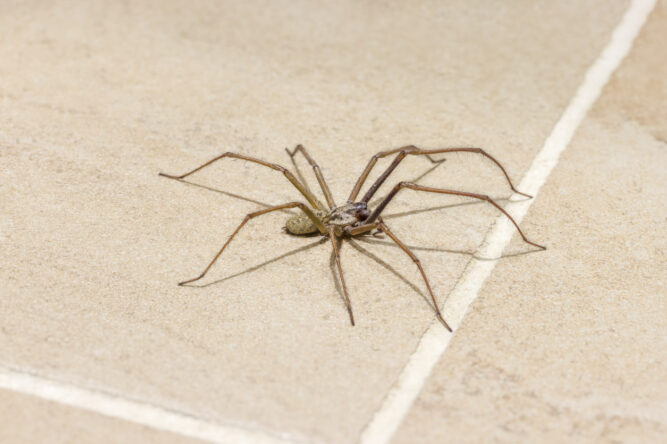
You’re sitting on the sofa watching telly in September, spot an eight-legged monster sprinting across the skirting board at lightning speed, and find yourself convinced they’re getting bigger and bolder every year. Chatting to arachnid experts, however, tells a far less alarming story. Nobody’s home is actually being overrun by an unprecedented plague of giant creepy-crawlies.
The reality comes down to simple biology, a spot of seasonal wandering, and a massive misunderstanding of what those big house spiders’re actually up to when the temperatures start to dip. Once you strip away the tabloid scaremongering, what’s really happening on your carpets makes complete sense.
There’s a reason spider sightings spike every autumn.
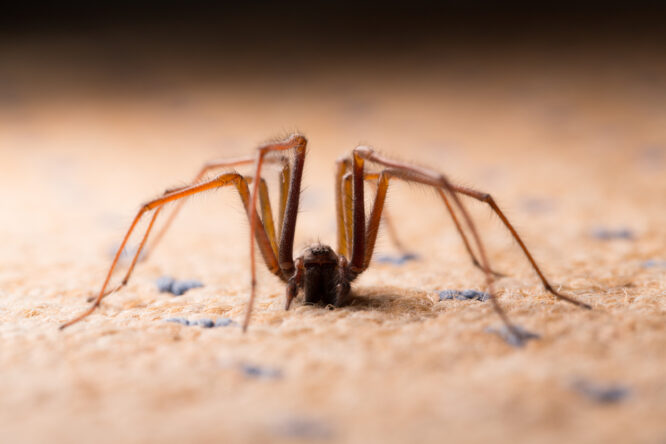
Warmer weather does lead to more spider sightings, but that doesn’t necessarily mean more spiders actually exist. Sightings peak reliably in autumn because males of many common species reach adulthood around this time and start actively wandering in search of females.
With warmer temperatures lingering longer into the season, people tend to keep doors and windows open for longer too, which simply means more of these wandering males end up finding their way indoors. Spiders themselves aren’t getting bigger, and there aren’t more of them overall, the real explanation is that milder weather combined with open windows and doors means more people are noticing the larger species that happen to wander into homes.
A warm, dry autumn makes a real difference.
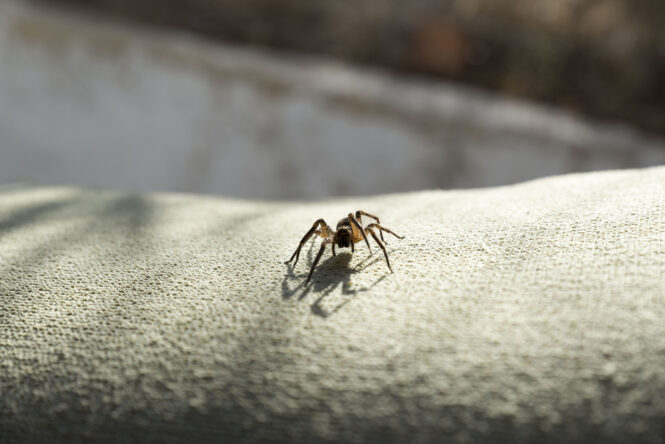
A warm, dry autumn effectively extends the mating season for many male spiders. Rather than being driven indoors early to shelter from wet weather, they continue roaming for longer, searching for a mate rather than hiding away in a dry garage or attic. Experts stress that spotting a wandering male indoors doesn’t call for panic, the kindest response is simply letting it back outside, since all it’s actually looking for is a female to mate with, nothing more sinister than that.
The truth about house spiders is less panic-inducing than people make it seem.
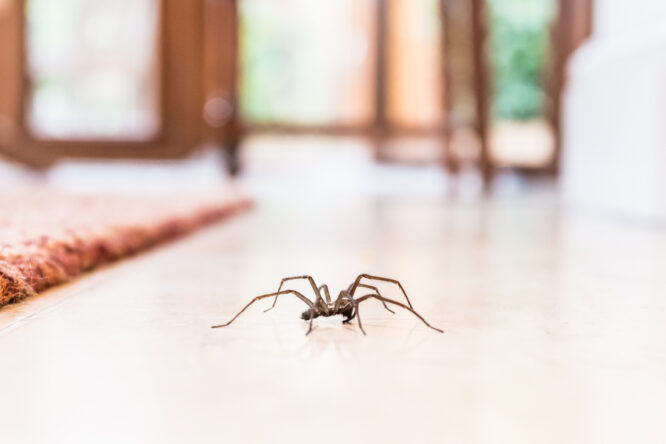
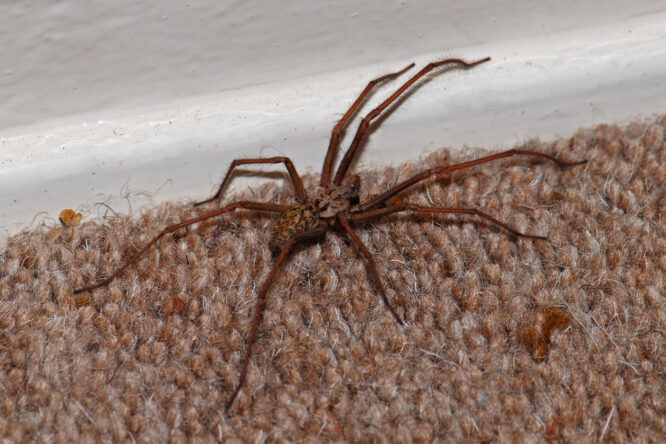
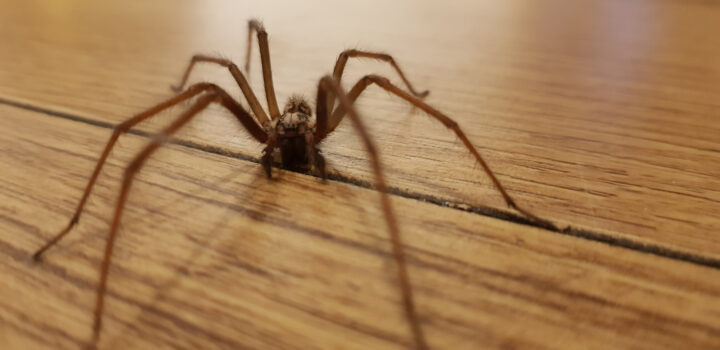
Much of the concern around “giant” spiders centres on house spiders, a general name covering a group of large, long-legged species. Males can have a leg span reaching up to 120 millimetres, typically brown, hairy, and marked with dull stripes along the body, which explains why they look intimidating to anyone who isn’t expecting one.
Interestingly, house spiders are actually less common in UK homes than they used to be. Homes today are far better sealed, and central heating combined with more general household disturbance makes conditions considerably less hospitable for these particular species compared to decades past. There’s now a whole generation who’ve never encountered one, whereas twenty or thirty years ago, finding one indoors was simply an accepted part of everyday life. While these spiders can bite if picked up, the effect of their venom is minor, and a bite is unlikely to cause any serious complications.
What’s happening with garden spiders?
Garden spiders, scientifically known as Araneus diadematus and commonly called garden orb-weavers or cross spiders, do benefit from good summer weather, though not by growing unnaturally large. Females, often spotted sitting prominently in the centre of their large webs across gardens, doorways, and windows, can grow up to 20 millimetres in body length, ranging in colour from dark grey through to light yellow and orange, always marked with distinctive white dots forming a cross pattern on their back.
In a summer that’s warm without being completely dry, insect populations, the garden spider’s main food source, tend to thrive, giving more spiders the chance to reach their maximum natural size simply because there’s enough food available to support them. Once the weather turns colder and wetter though, insects stop flying, and garden spiders lose access to that food supply almost immediately.
Why false widow spiders keep making headlines
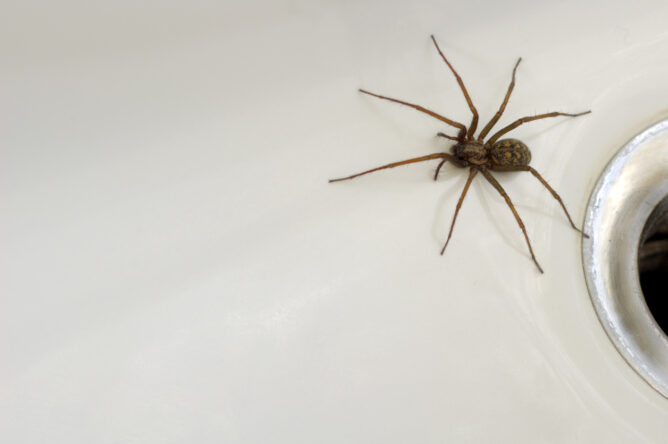
Reports of false widow spiders have continued rising in recent years, and “false widow” actually refers to several different species, though the one attracting the most attention is Steatoda nobilis, commonly known as the noble false widow. This particular species has actually been established in Britain for over a century, most likely introduced through ship cargo arriving from the Canary Islands or Madeira, and has been steadily expanding its range northward since first settling along the south coast.
Part of the apparent rise in sightings reflects growing numbers and a wider geographic spread, but increased public awareness plays a significant role too, people are simply more likely to notice and report a false widow now than they were previously. False widows draw particular attention as one of the few British spiders capable of delivering a venomous bite, though they’ll only actually bite if trapped or squashed, often accidentally inside clothing. Experts point out that wasps and bees sting too, yet false widows carry a reputation for danger that’s arguably far more exaggerated than warranted.
So, what if you’re bitten by a false widow?
One expert who’s personally been bitten by false widows three separate times describes the experience each time as little more than a slight sting followed by mild numbness in the area. Reports of more extreme reactions are generally linked to secondary infections developing from the wound afterward, rather than the venom itself causing serious harm.
The best approach if bitten is keeping the area clean and resisting the urge to scratch, which helps reduce the risk of infection setting in. Antihistamines can help ease any itching that develops. As awareness and reported sightings continue to rise, experts predict false widow bites will gradually become something people simply accept as a minor, occasional risk, not unlike the possibility of being stung by a bee or wasp during a normal day outdoors.