You’ve probably heard of easy jogging, the kind of relaxed pace runners use for recovery days.
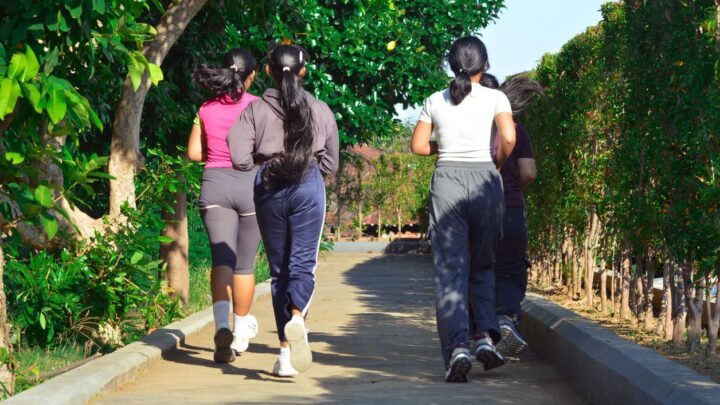
However, a massive fitness trend spreading right across South Korea and picking up speed around the globe is taking that relaxed idea and dialling the tempo right down. Known simply as slow jogging, the method strips away the pressure of pace, lap times, and lung-busting intervals entirely. In fact, the movement is so deliberate and light that if you watched someone doing it from across the street, you’d be forgiven for thinking they were out for an easy walk rather than a run.
If the thought of pounding the pavement leaves your knees aching before you’ve even laced up your trainers, here’s why thousands of people are ditching high-intensity cardio for this ultra-low-impact alternative, and the surprisingly solid health perks that come with it.
Just how slow is “slow jogging,” and where did it come from?
According to a recent report, participants typically move at around four to six kilometres per hour, working out to somewhere between 10 and 15 minutes per kilometre. For plenty of runners, that’s actually slower than their usual warm-up jog, or even slower than a brisk walk. Despite the pace, though, participants are running rather than walking, taking short, light steps, often moving together in large groups or lines.
View this post on Instagram
Slow jogging isn’t a brand new invention. It was originally developed in Japan by an exercise physiologist at Fukuoka University, and the practice has actually existed in Korea for well over a decade. According to the Korean Slow Jogging Association, it was first introduced there back in 2012. What’s new is the sudden surge in popularity, driven largely by social media, that’s turned it into viral moment across South Korea and neighbouring countries.
Why people are drawn to running this slowly
The appeal seems to lie in accessibility. This extremely slow style of running appears to be attracting people looking for an easier way into the sport, or a more relaxed, sustainable way to keep enjoying it long term. When an entire group is moving at close to walking pace, nobody needs to worry about struggling to keep up, and there’s no pressure to chase faster times or compete for personal bests on running apps.
One beginner who spoke to reporters admitted he was sceptical at first, wondering whether something this slow could really count as proper exercise. He quickly discovered otherwise. The short, quick steps still worked up a sweat, and maintaining that slow pace over a longer distance turned out to be considerably harder than it looked from the outside.
The physical benefits of running at an easy pace
Running slowly might sound like it offers less of a workout than a sprint session, but that’s not really how the body works. Keeping your heart rate in a lower, more comfortable zone for a sustained period still builds real cardiovascular fitness over time, strengthening the heart and improving circulation without placing the same strain on joints and muscles that faster, high-impact running can bring. That gentler impact makes slow jogging a particularly appealing option for beginners, older adults, or anyone returning to exercise after an injury or a long break.
View this post on Instagram
Because the pace is so manageable, people also tend to be able to sustain it for considerably longer than they could a faster run, which means more total time spent moving and burning energy overall. Building an aerobic base at an easy pace like this is also something coaches across the sport have long recommended, since it trains the body to use oxygen more efficiently and lays the groundwork for faster running down the line, even for people who eventually want to pick up the pace.
The mental and social benefits shouldn’t be overlooked either.
Slow jogging’s low intensity also makes it easier to hold a conversation while moving, which is a big part of why the group and social side of the trend has taken off so strongly. Exercising at a pace where chatting comes naturally tends to make the whole experience feel less like a workout and more like an enjoyable social outing, something that can make people far more likely to stick with it consistently over time compared to a more gruelling routine.
There’s also a real mental health upside to removing competition from the equation entirely. Without the pressure of pace times, personal bests, or keeping up with faster runners, slow jogging offers a low-stress way to get outside, move the body, and clear the head, benefits often associated with regular movement and time spent outdoors more broadly.
View this post on Instagram
It’s a trend that’s spread well beyond Korea.
Footage of the slow jogging trend went viral online in early July, with videos showing participants moving at a relaxed pace with short, light steps, often chatting comfortably with each other throughout the entire run. For many people discovering the trend online, it’s been embraced as a far more comfortable and approachable alternative to traditional running, one that doesn’t demand the fitness level or intensity typically associated with the sport.
The social side might be just as important as the pace.
Beyond the physical accessibility, many runners are drawn to the strong group element built into slow jogging. South Korea already has an established running-crew culture, but this ultra-slow version gives people a way to run together socially without turning the outing into any kind of race or competition.
In Seoul’s Gangdong District, participants who originally joined a slow-jogging health programme have kept meeting up in small crews at local parks even after the official classes wrapped up. They continue walking and jogging together at whatever pace suits the group on any given day, proving that for a lot of people, the community aspect might matter just as much as the exercise itself.