Most of us look at our garage and see a glorious dumping ground for half-empty paint tins and rusted bikes.

As it turns out, though, the council has some very different ideas about what you’re actually allowed to do with that space. It’s tempting to think you can just crack on with a side-hustle or build a makeshift bedroom because you own the bricks and mortar, but the UK’s planning laws are surprisingly strict about what counts as “incidental use.”
If your new setup starts attracting extra traffic to the street or doesn’t meet specific fire safety codes, you’re basically asking for a massive fine and a knock at the door from the planning office. Before you spend a penny on turning your storage spot into a gym or a workshop, you’ll want to make sure you aren’t accidentally falling foul of these 10 legal traps.
1. Turning it into a separate tiny house or rental unit

This is the big one because people assume a garage is basically a blank canvas. In reality, turning a garage into a completely separate living space with its own self-contained setup usually needs proper planning permission. Councils often treat it differently to turning it into a home office or a playroom because you’re changing how the building is being used, not just improving the space.
This is where people get caught when they set it up for Airbnb, a lodger, or someone living there long-term. If it has the vibe of a separate home with sleeping, cooking, washing, and its own routine, it stops looking like part of the main house. It’s always worth checking before you start, especially since doing it first and asking later can turn into a stressful and expensive mess.
2. Using it as a bedroom without meeting the rules for a proper living space
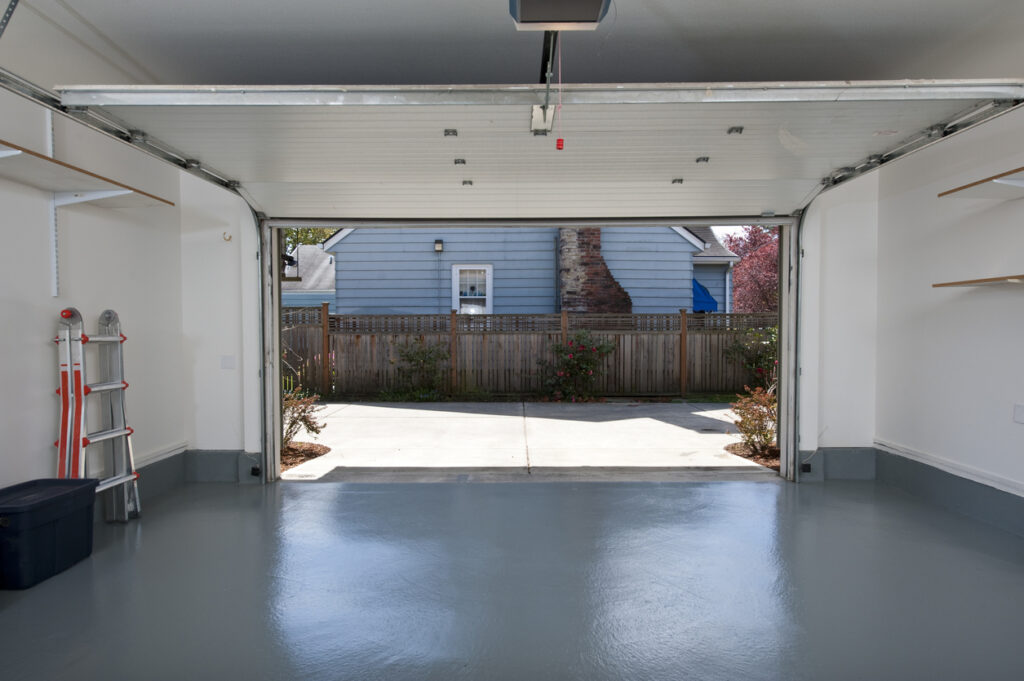
A garage isn’t automatically safe to sleep in just because you’ve put a bed in there. If you convert it into a bedroom, you’re moving into proper building regulation territory. Ventilation, insulation, fire separation, and safe escape routes suddenly matter a lot more than the decor.
That’s why DIY garage bedrooms can be risky. They might look cosy, but if there’s a fire or a ventilation issue, it becomes more serious than people realise. If someone’s sleeping in there regularly, it’s not something you want to wing. Getting it checked and done properly protects you and anyone using the space.
3. Running a customer-facing business from it like it’s a real shop or studio

You’re allowed to work from home in the UK, but there’s a difference between working quietly at a laptop and turning your garage into a place clients visit all day. If it becomes a salon, gym, workshop, or studio with regular visitors, it can cross into planning permission territory because the use of the building has changed.
It’s usually the disruption that causes problems, not the fact you’re making money. Extra cars, noise, deliveries, and strangers turning up can annoy neighbours quickly. Even if you’re respectful, it only takes one complaint for the council to start paying attention, so it’s worth knowing where you stand before you commit.
4. Using it as a loud gym or music room that becomes a nuisance
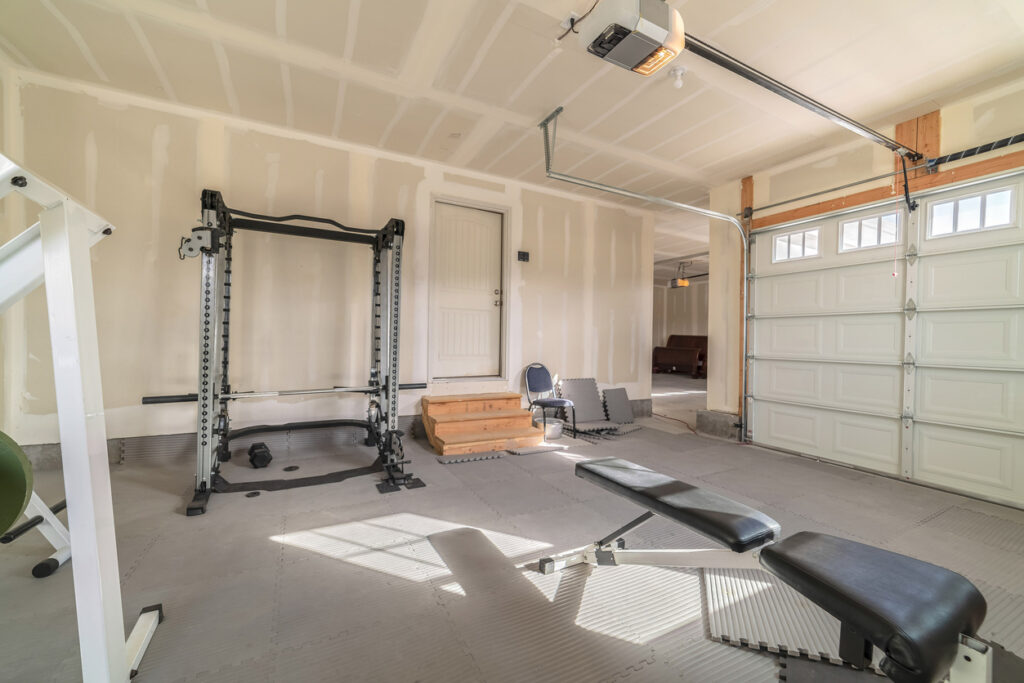
Home gyms sound harmless until you add heavy weights dropping, loud music, early mornings, and the echo of a concrete space. Same goes for band practice, DJ decks, or turning it into a regular party spot. What feels fine to you can feel relentless next door, especially if it’s happening often.
In the UK, councils can step in if noise becomes a statutory nuisance, meaning it seriously affects someone’s ability to enjoy their home. If you’re using the garage in a way that regularly disturbs neighbours, you could be told to stop or make changes. It’s not about being boring, it’s about the legal right people have to peace at home.
5. Turning it into a car body shop or spray-painting setup

Fixing your own car is one thing. Running a proper workshop vibe at home, especially with spray paint, solvents, and strong fumes, is something else. Once you’re using chemicals regularly, you’re not just doing a hobby, you’re creating risks around fire, ventilation, and hazardous substances.
This also brings up the issue of waste. Paint, thinners, and certain car products can’t just be thrown out like normal rubbish. If you’re basically operating like a small body shop, you could end up needing permissions and proper disposal steps, not just a bit of enthusiasm and a roller door.
6. Storing loads of petrol like you’re preparing for the apocalypse

A lot of drivers don’t realise that domestic fuel storage is strictly regulated by law. Under the Petroleum (Consolidation) Regulations 2014, you can legally store up to 30 litres of petrol in an attached or domestic garage without needing to inform anyone, provided it’s kept in suitable metal or plastic containers.
If you store between 30 and 275 litres, you must notify your local Petroleum Enforcement Authority in writing, and keeping anything over 275 litres requires a formal petrol storage licence. Exceeding these limits in a residential space is unlawful and creates an immense fire hazard that can easily invalidate your home insurance policy.
7. Using it as long-term storage for business waste
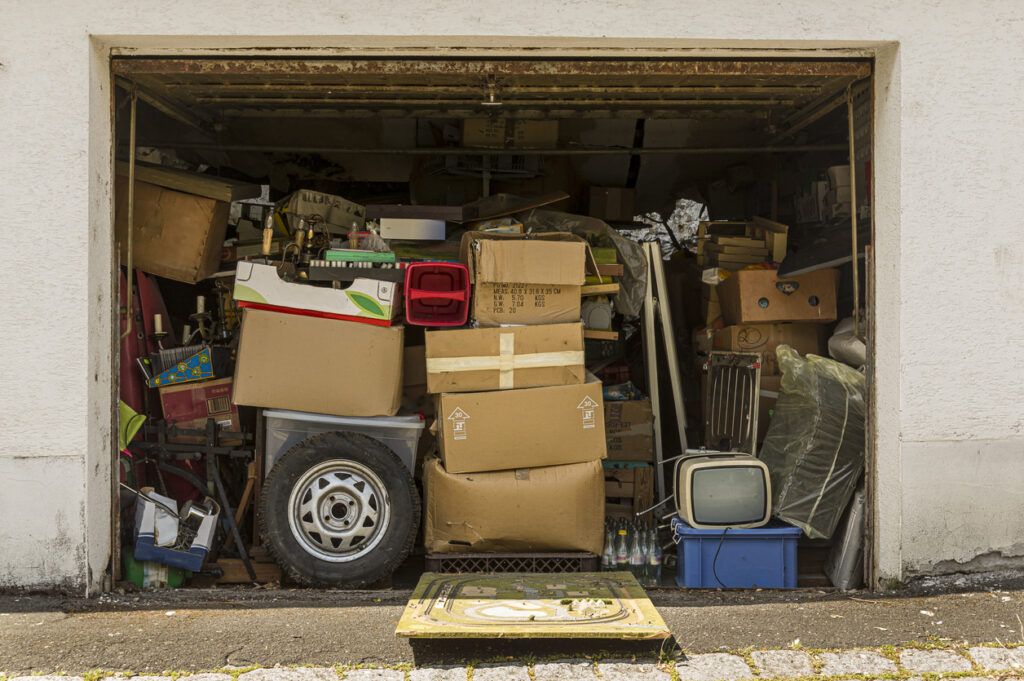
Keeping a few boxes of dry stock for an online shop is usually fine, but using your garage as a dumping ground for commercial rubbish, packaging materials, or old trade stock breaches UK environmental law. Under the Environmental Protection Act 1990, every business has a legal “duty of care” to store and dispose of trade waste through licensed waste carriers.
Stashing commercial waste, hazardous liquids, or trade scraps in a domestic garage without an environmental permit or exemption is an offence that can lead to heavy enforcement fines from the local council or the Environment Agency.
8. Blocking off required parking space on a property where it’s part of the planning rules.
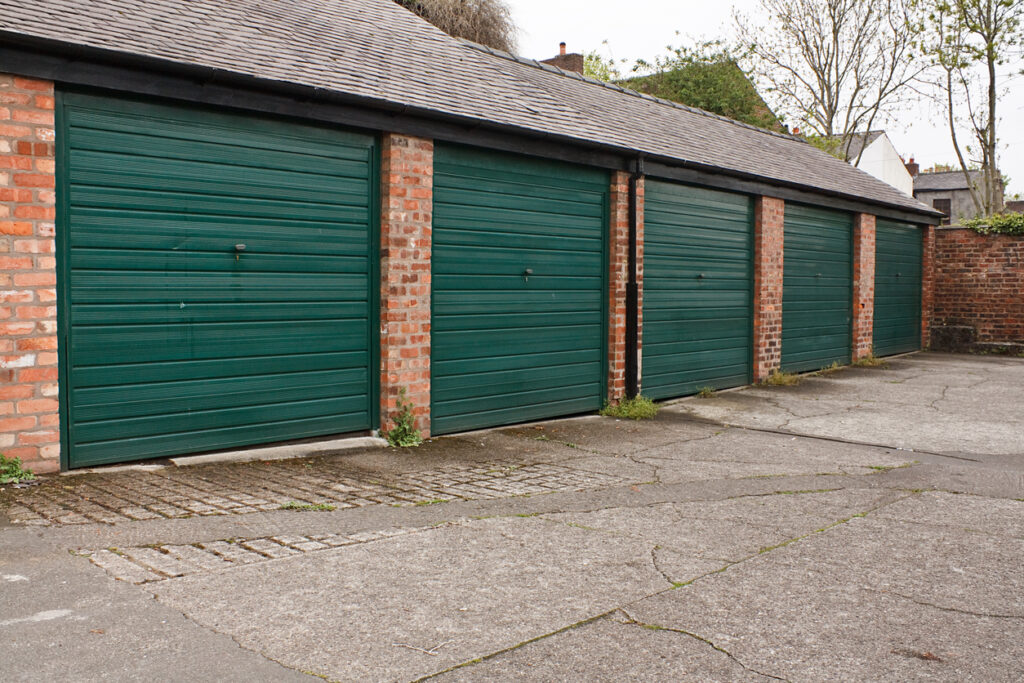
While converting an integral garage into living space often falls under permitted development, new builds and modern housing estates are a common exception. Local councils frequently attach planning conditions to developments, or issue Article 4 Directions, that specifically remove permitted development rights to preserve off-street parking and stop residential roads becoming gridlocked.
If your property has one of these conditions attached and you convert the garage without obtaining full planning permission first, the council can issue an enforcement notice forcing you to rip the conversion out and restore the parking space at your own expense.
9. Using it as a daily workspace without making it safe

Garages can be cold, damp, and badly wired, especially older ones. If you’re using it daily with heaters, power tools, or constant extension leads, you need to be careful. A space that wasn’t designed for long hours of use can become risky if you treat it like a proper room without updating anything.
Fire separation, safe electrics, ventilation, and insulation aren’t boring extras, they’re what stops accidents. If you’re spending hours in there every day, it should be safe enough for that kind of life. It’s easy to ignore until something trips or overheats, and then it’s suddenly serious.
10. Using it as a regular hangout space that causes constant neighbour trouble

Even if you’re not running a business, and you’re not doing a conversion, you can still end up in trouble if your garage becomes the loud gathering spot on the street. Regular late-night drinking sessions, shouting, power tools at odd hours, or groups hanging around outside can quickly wear people down.
Councils don’t need it to be commercial for it to count as a nuisance. They care about impact, not intention. If your garage lifestyle starts affecting other people’s sleep and peace, you’re not just risking awkward neighbour tension. You could be risking official action, too.