There’s nothing more frustrating than lacing up your trainers, heading out the door, and feeling like your legs are made of solid lead five minutes down the road.

When a run turns into an absolute slog, your first thought is usually that you’ve lost your fitness, missed too many sessions, or just aren’t cut out for the distance. Most of the time, your lungs and legs aren’t actually the problem. What you put down your neck in the hours, and even days, before you hit the pavement has a massive say in how your body handles the miles.
Before you start beating yourself up about your cardio, it’s time to start looking at what’s on your plate because that heavy, sluggish feeling usually starts in the kitchen rather than on the tarmac.
Running asks a lot more of your body than you’d think.

All those miles you’re putting in ramp up your body’s needs way beyond “eat more carbs.” Your body’s busy shuttling oxygen around, patching up muscle tissue, keeping your immune system running, and rebuilding bone in the background. That takes real nutrients, not just calories.
And a few things tend to work against runners here. Nobody wants a mid-run GI emergency, so plenty of people cut back on foods that might trigger one. Add in a packed schedule and the usual food rules some runners follow, and it’s easy to end up eating less of the good stuff right when you need it most.
You’re probably not as fuelled as you should be (or need to be).

A study looking at endurance athletes found something pretty eye-opening: most weren’t eating enough calories, and almost none were hitting their carb or fibre targets. Nearly everyone came up short on omega-3s, plus vitamin D, E, K, folate, magnesium, potassium, and choline.
There was a gender split too. Women were more likely to run low on protein and B12, while men tended to skimp on fibre, a specific omega-3 called ALA, and just plain water. The takeaway? A diet that looks “healthy” on paper, even a carb-heavy one, doesn’t automatically mean you’re actually fuelling properly for what you’re putting your body through.
Eating a bit less isn’t the same as being deficient.

Let’s clear this up before you spiral: not hitting the recommended amount of something doesn’t mean you’ve got a diagnosed deficiency. That’s a different conversation, one that usually needs actual symptoms, a thorough look at your diet, and sometimes bloodwork to confirm.
Here’s the thing, though: runners burn through more, sweat out more, and need more consistency over time. Getting enough of the right stuff isn’t just about health, it’s what lets you actually show up and train the way you want to.
Before anything else, ask if you’re just not eating enough.

Before you reach for a multivitamin, take a real look at how much you’re eating overall. A lot of nutrient gaps trace back to something called low energy availability, basically your body not getting enough fuel to cover both your training and everything else it’s trying to do behind the scenes.
Let that go on too long, and your body starts robbing Peter to pay Paul, sacrificing things like hormone balance and bone health just to keep you moving. No supplement fixes that. You need enough food, full stop, enough carbs, enough protein to repair what you’ve broken down, and enough fat to keep your hormones and vitamin absorption working well.
Iron is the one that hits your pace hardest.

Iron’s a big one for runners because it’s directly tied to how oxygen gets from your lungs to your muscles. Run low on it, and your usual pace suddenly feels like a slog, you’re more tired, less able to hold quality efforts, and slower to bounce back between sessions.
Good sources include beef, poultry, seafood, eggs, lentils, beans, tofu, pumpkin seeds, fortified cereal. Your body absorbs iron from meat more easily than from plants, but pairing plant iron with vitamin C helps close that gap, think lentils and tomatoes, or beans with peppers. Oh, and if you’re low on iron, don’t wash it down with your morning coffee, caffeine blocks absorption, so give it some space.
Vitamin D isn’t just a “sunshine” thing.

Vitamin D handles calcium absorption, bone health, muscle function and your immune system. When you’re low, you won’t necessarily notice your fitness tanking, it’s more likely to show up as weaker muscle function, catching every cold going around, or a higher chance of a stress fracture creeping up on you. Even when eating well, it’s hard to get enough from food alone. Fatty fish, egg yolks, fortified milk and fortified plant milks are your best bets.
B12 and folate are essential for your blood.

B12 helps make red blood cells, build DNA, and keep your nervous system firing properly. Run short, and your body struggles to carry oxygen efficiently, which shows up as fatigue and a drop in what you can actually handle on a run. Folate’s doing similar work behind the scenes, helping with DNA and red blood cell production, both things your body’s constantly needing more of when you’re training hard.
If you’re plant-based, keep a close eye on B12 specifically, since the reliable sources are mostly animal foods, meat, fish, dairy, eggs. Fortified cereals, plant milks and nutritional yeast can help fill that gap. Folate’s easier to find, leafy greens, beans, lentils, citrus, avocado, fortified grains.
Magnesium and zinc serve as the quiet workhorses.
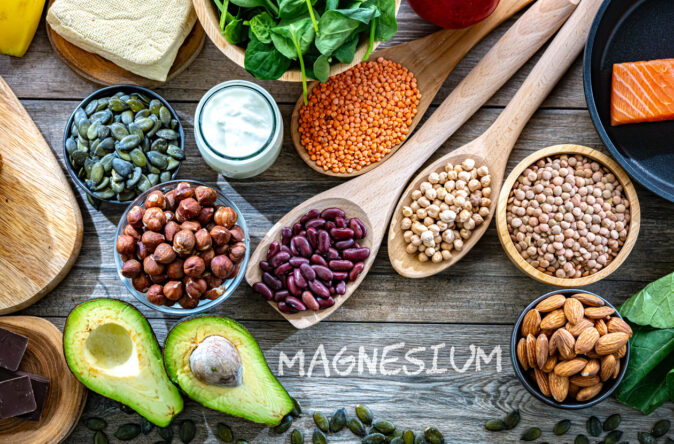
Magnesium’s involved in basically everything, energy production, blood sugar, nerve signals, bone health, and getting your muscles to contract and relax. Come up short, and you’re looking at fatigue, cramping, weaker muscle control, and struggling to push through workouts. Pumpkin seeds, almonds, cashews, beans, lentils, wholegrains, and leafy greens all help here.
Zinc’s your recovery and immune mineral, helping repair tissue, fight off illness, and adapt to all the stress you’re putting your body through. Staying well and bouncing back quickly is honestly half the battle when it comes to training consistently. Oysters, shellfish, beef, poultry, dairy, beans, lentils, nuts, and seeds all bring zinc to the table.
Omega-3s are vital, and you need more than just flaxseed.
ALA is one your body can’t make itself, so it has to come from food. Like other omega-3s, it helps calm down the inflammation you rack up after a hard session, plus it’s good for your heart and brain. You’ll find it in ground flaxseed, chia seeds, walnuts, hemp seeds and soy.
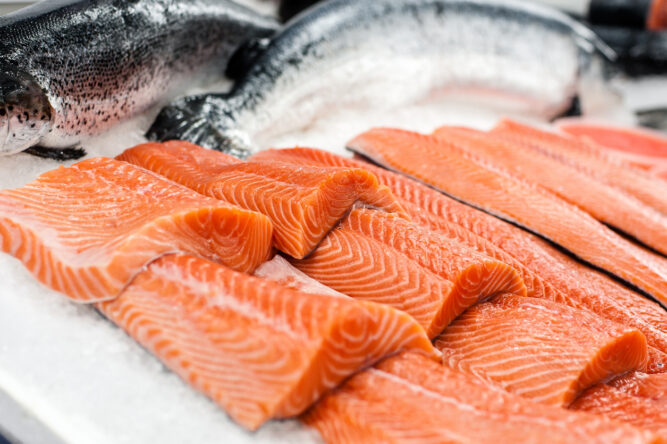
Then there’s EPA and DHA, the ones that get a lot of buzz in sports nutrition for their effects on soreness, inflammation and recovery, even if the performance gains aren’t rock solid across every study. Here’s the catch: your body only converts a tiny bit of ALA into DHA, so eating walnuts isn’t the same as eating salmon. If you want EPA and DHA, you need actual fatty fish, salmon, sardines, mackerel, herring, anchovies, aim for a couple of servings a week.
Don’t skip fibre just because you’re worried about your stomach.
GI drama mid-run is nobody’s idea of fun, and it can wreck an otherwise solid race. But keeping your gut and immune system in good shape actually depends on getting enough fibre, which in turn helps you tolerate whatever you’re planning to eat on race day.
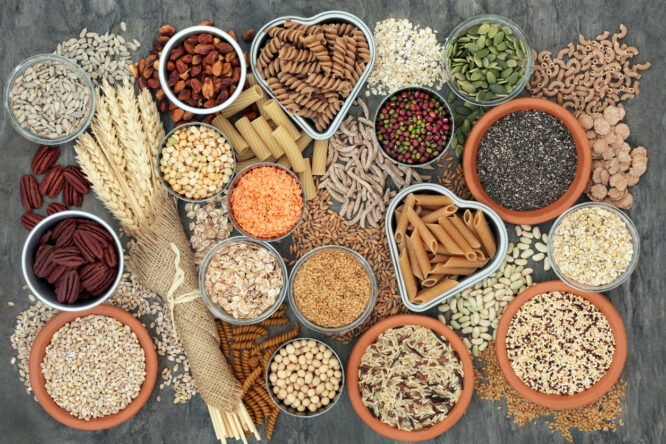
Beans, lentils, wholegrains, fruit, veg, nuts, and seeds are your fibre heavy hitters, and they bring along a bunch of other nutrients that tend to disappear when your diet leans too hard on processed carbs and gels. That said, more isn’t always better, cramming in huge amounts of fibre on a high-calorie diet can just leave you bloated and uncomfortable. Save the low-fibre stuff, cereal, bagels, waffles, for right before a run, and lean into the fibre-rich foods the rest of the day.
There are several everyday habits that actually close these gaps.

You don’t need to eat perfectly, you just need enough food, enough variety, and enough consistency over time. A few habits actually move the needle: eat more as your training volume goes up, get carbs in around your runs, and eat fruit and veg in a decent range of colours every day.
Beyond that, work in some calcium a few times a day, keep iron-rich foods in regular rotation, and try to get nuts, seeds, beans, lentils or wholegrains in most days. Add a reliable ALA source, hit fatty fish twice a week (or an algae-based supplement if fish isn’t your thing), and keep your fibre steady while easing off right before key runs. Fortified foods can plug gaps where whole foods fall short, and if you’re cutting out a whole food group, it’s important to plan what’s replacing it, rather than just hoping it works itself out.