Anyone who’s sat behind a driver who brakes for absolutely everything knows the frustration of a hesitant motorist.

But it turns out there’s a decent case for driving a bit more like someone with somewhere to be calmly, rather than someone racing to beat the lights. A new study looking at real-world electric vehicles has found that aggressive driving speeds up battery wear by a surprising amount, and if you’re one of the growing number of EV owners in the UK, it’s important to be aware of before your next school run turns into a rally stage.
The battery loses capacity faster than most drivers realise.
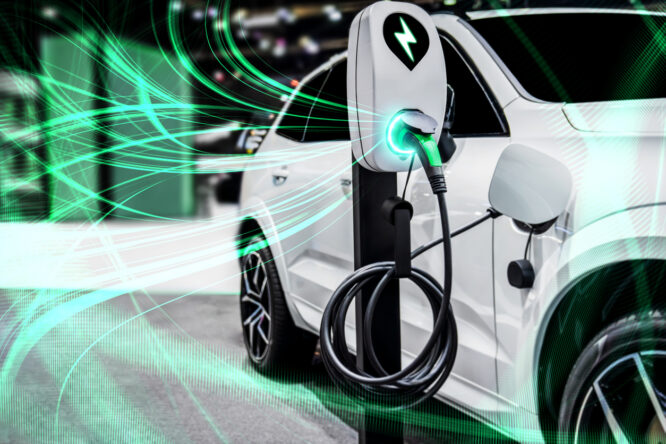
Every EV battery degrades over time. That’s completely normal and expected, in the same way a phone battery holds less charge after a couple of years of daily use. A battery that once gave you the full advertised range will gradually give you a bit less, charge after charge, purely from age and use.
What researchers wanted to know was how much of that wear comes down to driving style specifically, rather than just the passage of time. So a team analysed a full year of real driving data from a small fleet of EVs, recording things like speed, battery current and charge levels every ten seconds across typical city, suburban and motorway driving.
The gap between smooth and aggressive driving was enormous.

Using that data, the researchers sorted driving behaviour into five categories, ranging from smooth, gentle “eco” driving through to the most aggressive style, which involved harsh acceleration and heavy demands on the battery, even at fairly low speeds. They then modelled how each style would affect the battery after 1,000 charge cycles, which for a typical daily driver works out to be several years of use.
The eco-driving group lost just over a fifth of their battery’s maximum capacity over that period. The most aggressive drivers lost more than half. That’s a big difference for what amounts to the same car covering similar distances, just driven very differently behind the wheel.
It comes down to how hard you’re pulling on the battery, not just how fast you go.
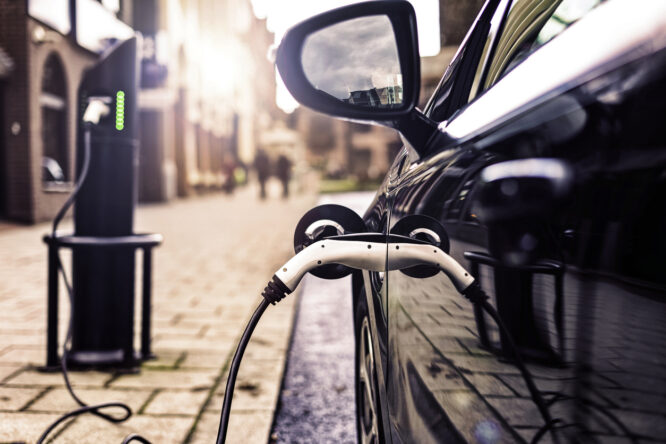
Interestingly, both the smooth and aggressive driving groups in the study covered similar average speeds. The real difference was in how much electrical current was being drawn from the battery during acceleration and braking. Harsh, sudden demands on the battery put far more strain on it than a steady, gradual driving style, even when the overall journey looks similar on paper.
That’s a useful distinction for UK drivers navigating stop-start city traffic, roundabouts, and the general chaos of school run season. It’s not necessarily about driving slowly. It’s about accelerating and braking more smoothly rather than stamping on the pedals at every junction.
Why this matters more here than it might seem

EV batteries aren’t cheap to replace, and in the UK that cost tends to land squarely on the owner once any warranty period has passed. Battery health also has a direct effect on resale value, which matters given how many EVs on UK roads are bought on finance and handed back or sold on after a few years. A car that’s lost more of its range through years of heavy-footed driving is simply worth less than one that’s been driven gently, even with identical mileage on the clock.
Range anxiety is already a common worry among UK EV owners, given the patchier public charging network outside major cities. A battery that’s degraded faster than expected only makes that worse, turning a comfortable daily range into something that starts to feel tight much sooner than it should.
The good news is this one’s easy to fix.
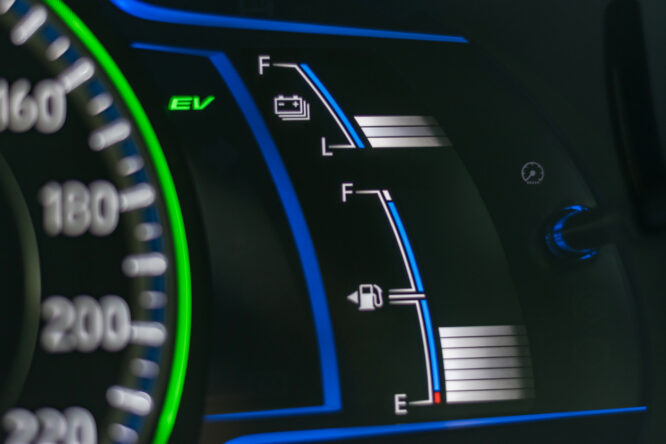
Unlike a lot of factors that affect battery health, temperature extremes, charging habits, age, driving style is something entirely within the driver’s control. Easing off the accelerator, braking earlier and more gradually, and generally driving the way most of us were taught to during our test rather than the way we actually drive once we’ve got a few years behind the wheel, all seem to make a real difference.
None of this means EVs are somehow fragile or high maintenance. It just means the way you drive one has a bigger impact on its long-term health than a petrol car ever did, since with an internal combustion engine, harsh driving mostly just costs you more at the pump. With an EV, it costs you a chunk of the battery too, and that’s a far more expensive habit to keep up.