Most of us don’t give a second thought to what we’re scraping onto our toast in the morning.
You grab whatever tub is in the fridge door, spread it over your crumpet, and get on with your day. We tend to use “butter” as a catch-all word for everything from a traditional block of Lurpak to cheap sunflower spreads, but they’re completely different beasts once you look at the back of the packet. With ultra-processed foods being talked about everywhere right now, the difference between real churned cream and a tub made in a factory from palm oil, water, and emulsifiers is a lot bigger than you’d think.
What actually separates butter from margarine and spreads?
Real butter is made from churned cream, built from raw ingredients, and generally isn’t considered ultra-processed. Margarine, on the other hand, is a butter substitute made from vegetable oils like soybean, rapeseed or sunflower, and it’s frequently classified as ultra-processed instead.
Butter spreads sit somewhere in between, blending dairy butter with plant-based oils specifically to stay soft straight from the fridge. Whether a spread counts as ultra-processed really comes down to its exact ingredients and how much industrial processing has gone into making it.
Some spreads cross into ultra-processed territory.
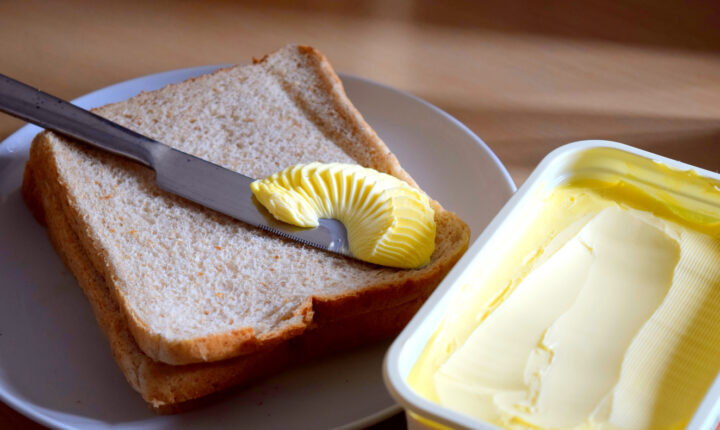
Getting a spread to stay soft usually means blending butter with vegetable oils, then adding emulsifiers to stop the water and fat separating out. Those oils are often hardened through industrial processing too, giving the final product a firmer, more stable texture.
Plenty of spreads also include stabilisers, preservatives, flavourings or colourings, all added to extend shelf life and improve taste or appearance. Once a product involves this many extra ingredients and processing steps, it typically moves well beyond what you’d call traditional food preparation, which is exactly where the “ultra-processed” label comes from.
Lurpak
As the UK’s biggest butter and spread brand, Lurpak largely avoids ultra-processed territory. Its core products are primarily dairy butter, and even the spreadable versions using rapeseed oil for softness typically skip the kind of additives that would tip them into ultra-processed status.
Lurpak Slightly Salted Butter contains just butter, lactic culture, salt, and a minimum 80% fat content, keeping things simple. The Lighter Spreadable Blend combines butter with water, rapeseed oil and salt, again without unnecessary extras. Even the Plant-Based Alternative sticks to a relatively clean list, built from plant oils, water, oats, culture, salt and natural fruit concentrates rather than synthetic additives.
Flora
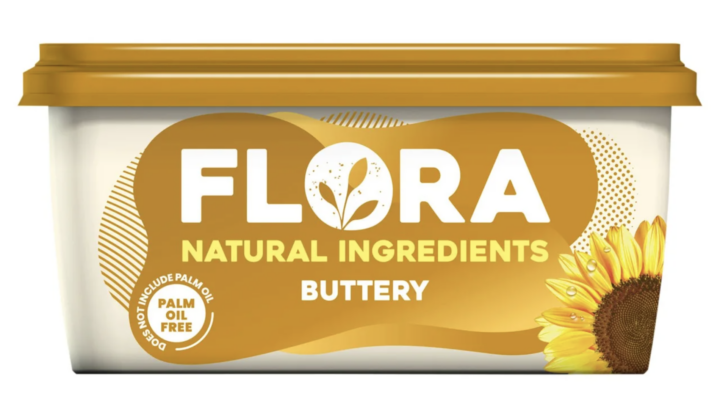
Flora’s range leans heavily plant-based, built mainly from oils like sunflower, rapeseed, and palm. Many of its products include emulsifiers, stabilisers and added flavouring, which pushes a large chunk of the range into ultra-processed territory.
Flora Original Spread contains plant oils, water, coconut fat, salt, a plant-based emulsifier, faba bean preparation, natural flavourings and added vitamin A, a longer ingredients list built through several industrial steps rather than simple preparation. The Lighter version follows a similar pattern, adding vinegar and a specific emulsifier alongside its oil blend.
Anchor
Anchor’s traditional block butter, made simply from cream, avoids ultra-processed classification entirely. Some of its other products aren’t so straightforward though, with certain additives tipping them over the line.
Anchor’s Spreadable Blend of Butter and Rapeseed Oil includes added colour in the form of beta carotene alongside its butter and oil base, which is enough to classify it as ultra-processed. Anchor Salted Butter, by contrast, sticks to just butter and salt, keeping it firmly in the not ultra-processed camp.
Kerrygold
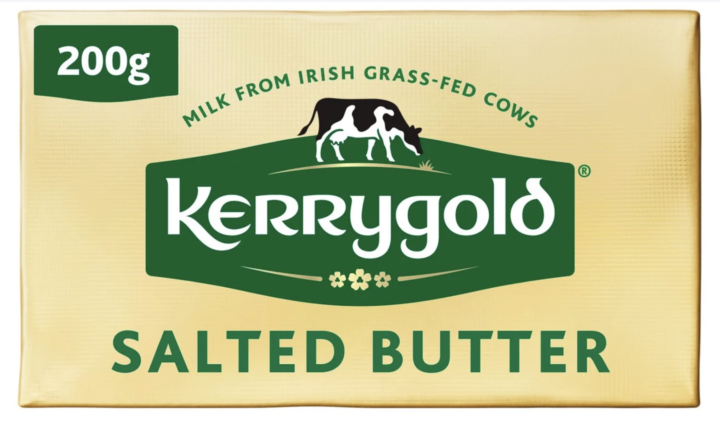
Kerrygold has built its reputation on pure Irish butter made from cream with minimal additives, and that simplicity carries through most of its range. Even its spreadable version manages to stay largely free from ultra-processing.
Kerrygold Salted Block Butter contains just butter, salt, and a minimum 80% fat content. The Spreadable version adds water, rapeseed oil and a touch of colour from carotene, but stays simple enough overall to avoid the ultra-processed label.
Clover
As one of the UK’s best-selling spreads, Clover includes additives like colour and flavouring that place much of its range into ultra-processed territory. Clover Original Spread combines a mix of sustainable palm and rapeseed oils with buttermilk, water, salt, natural flavouring and added colour from carotenes, a combination that pushes it beyond simple butter preparation.
Country Life
This classic British brand keeps things genuinely simple with its block butter, made from British cream. Country Life British Salted Block Butter contains just butter and salt, avoiding ultra-processed status entirely.
Vitalite
As one of the UK’s leading dairy-free spreads, Vitalite skips dairy entirely but often relies on stabilisers and emulsifiers to achieve its texture, landing it in ultra-processed territory. Vitalite Dairy Free Spread lists a mix of rapeseed and sustainable palm oils, water, salt, a lecithin emulsifier, flavourings, and colours including annatto bixin and curcumin.
Tesco own brand
Tesco’s range varies quite a bit depending on the specific product, with some options staying simple and others carrying the kind of additive list typical of ultra-processed food.
Tesco’s 30% Less Fat Buttery Spread includes a fairly long ingredients list, water, rapeseed oil, palm oil, palm kernel oil, salt, multiple emulsifiers, reconstituted buttermilk, a preservative, flavouring, an acidity regulator, added colour and vitamin D, firmly placing it in ultra-processed territory. By contrast, Tesco’s Butterpak Spreadable and British Salted Block Butter both stick to simple, minimal ingredient lists, keeping them well outside the ultra-processed category.
Président
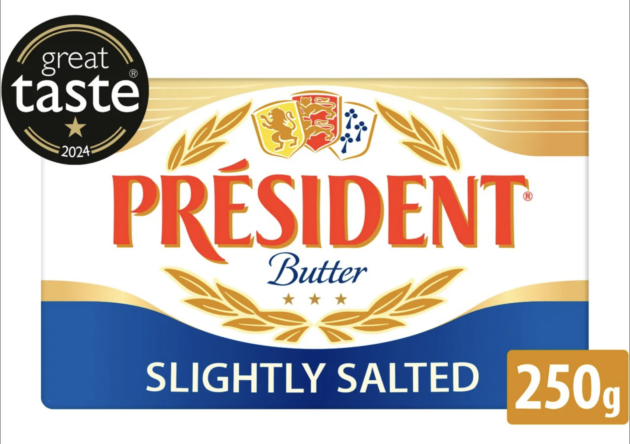
Président’s traditional butter keeps its ingredients genuinely simple, built from cream and lactic starters alone. Président French Unsalted Block Butter avoids ultra-processed classification entirely as a result.
Yeo Valley
Yeo Valley’s butters are typically made from cream without unnecessary extras, keeping the brand largely outside ultra-processed territory. Yeo Valley Organic Salted Butter contains just organic butter and salt, with a minimum 80% fat content.
Bertolli
Bertolli relies heavily on plant oils and frequently includes additional additives, placing most of its range firmly into ultra-processed territory. Bertolli Original Spread combines rapeseed, palm and olive oils with water, salt, buttermilk, multiple emulsifiers, natural flavourings and added vitamins A and D, a combination well beyond simple butter preparation.
ProActiv
Designed specifically to help lower cholesterol, ProActiv spreads contain plant sterols alongside several other additives, which classifies them as ultra-processed. ProActiv Buttery Taste Spread lists a mix of rapeseed, coconut and sunflower oils, water, plant sterol esters, salt, a lecithin emulsifier, natural flavourings and added vitamins A and D.
Benecol
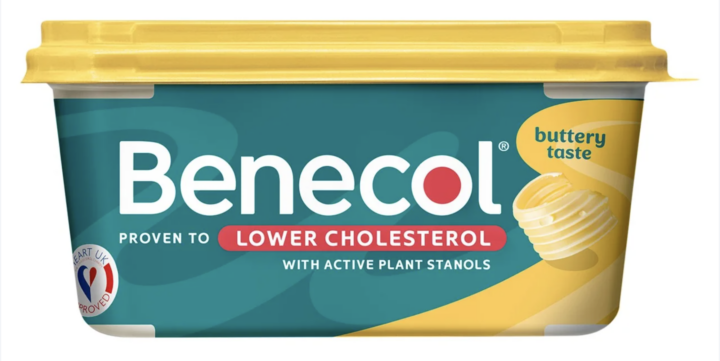
Similar in purpose to ProActiv, Benecol spreads include plant stanols and are specifically formulated to support heart health, though the added ingredients involved place them in ultra-processed territory too. Benecol Buttery Spread combines rapeseed oil with water, certified palm oil, plant stanol ester, milk, salt, multiple emulsifiers, natural flavouring, an acidity regulator, added colour and vitamins A and D3.