Anyone worried about government plans that could eventually pull the plug on traditional terrestrial television has only hours left to make their voice heard.
A key public consultation on the future of how the UK watches TV closes at midnight tonight, and campaigners are urging anyone who relies on a rooftop aerial to submit their feedback before the window shuts for good. The proposed move toward an entirely internet-based broadcast system has sparked serious backlash from advocacy groups representing rural households, older generations, and anyone without a reliable, superfast broadband connection.
With warnings that switching off standard Freeview signals could leave millions of viewers cut off from free-to-air news, sport, and entertainment, here’s what’s currently on the table and how you can register your views before the deadline hits.
What’s being proposed?

A Green Paper published by the government last month set out plans to phase out aerial-based Digital Terrestrial Television in favour of internet-delivered services, with the earliest possible switch-off date pencilled in for 2034. That would mark the end of Freeview as we know it, a platform currently used in 12.9 million homes across the UK and still the main way of watching TV for around 40% of households with a television set.
Officials estimate that as many as 1.5 million households could still be relying on the terrestrial system by 2035. When the Green Paper was released, the Culture Secretary argued the change reflects how much further the media landscape has moved online in recent years.
Some want the switchover delayed by a decade.

The campaign group Broadcast 2040+ is among those pushing to postpone any switch-off until at least 2044, and has written directly to a government minister to make their case. Broadcasters have argued that running two parallel systems, the traditional aerial network alongside internet streaming, is becoming increasingly expensive to maintain, and that switching off Freeview entirely would free up money currently spent on distribution to be redirected into actual programming instead.
Who would be affected most?

Despite the potential savings, a substantial campaign has built up around preserving the service, with advocates warning the change would disproportionately affect elderly people, other vulnerable groups, and those living in rural communities. Making the switch would require affected households to take out a broadband subscription, and potentially buy a new television set altogether.
The chief executive of Everyone TV, the organisation behind Freeview, has pushed back on some of the more alarming figures circulating in the debate, pointing to BARB data showing 2.6 million households currently rely on terrestrial TV because they lack broadband or an internet-connected television, with 870,000 of those Freeview homes having no broadband access whatsoever. He argued the true scale of households likely to be affected is considerably smaller than some of the wider claims suggest, while stressing that free TV itself isn’t going anywhere regardless of how distribution eventually changes.
There are concerns about being cut off altogether.
In its letter to government, Broadcast 2040+ warned that transitioning Freeview channels purely onto internet streaming would leave millions of households without any television access at all. The group believes free, universal access to public service broadcasting is best delivered through the terrestrial network, which they view as still the most reliable and fair way of reaching the widest possible audience, though the future of that network remains uncertain while a government-led review into TV distribution continues.
They also raised concern that some industry voices are actively pushing for a complete switch-off, a move that could leave an estimated 5.5 million properties still without a broadband connection by 2040 unable to access news, entertainment, sport, or children’s programming at all.
There’s a major broadband gap in rural areas.
 Source: Unsplash
 Government figures released last month show that only 70% of rural homes currently have access to gigabit-capable broadband, compared to 92% in towns and cities. In the most remote rural areas, that figure drops to just 60%. Separately, Ofcom reported that as of last November, 26,000 properties across England still have no adequate broadband connection whatsoever.
Critics argue that ending Freeview as early as 2034 would leave a significant number of households without reliable enough broadband to watch television at all, potentially forcing millions of people into paying considerably more for costly internet packages, on top of possibly needing to replace their television sets.
There have been warnings of a political backlash.
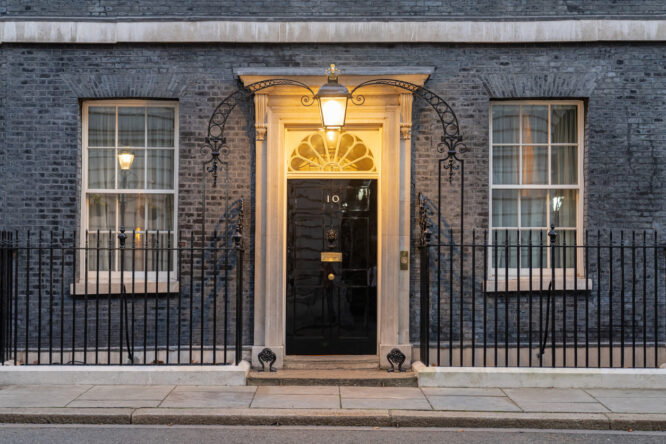
The director of campaign group Silver Voices has warned that scrapping Freeview prematurely could become a damaging political moment, drawing comparisons to past controversial welfare decisions. He argued the households hit hardest would largely be low-income families, pensioners unable to afford new broadband contracts, and people in isolated rural areas where fast broadband simply isn’t available at any price.
Where does the government currently stand on the issue?
The Minister for Creative Industries, Media and Arts confirmed the consultation is open until 31 August, and stressed that Parliament has already secured Freeview’s future until at least 2034, with no decision yet made on what happens beyond that point. The Green Paper published in June specifically consults on both 2034 and 2044 as possible switch-off dates.
A government spokesperson added that while there’s a strong case for an eventual long-term move toward internet-delivered television, no final decisions have been made. They said the purpose of the consultation is to gather views from across the industry and the wider public before anything is decided, and stressed that any future transition would only go ahead once the right safeguards, infrastructure, and support are confirmed to be in place, ensuring television remains affordable and accessible for everyone.
There’s a growing public petition against Freeview changes.
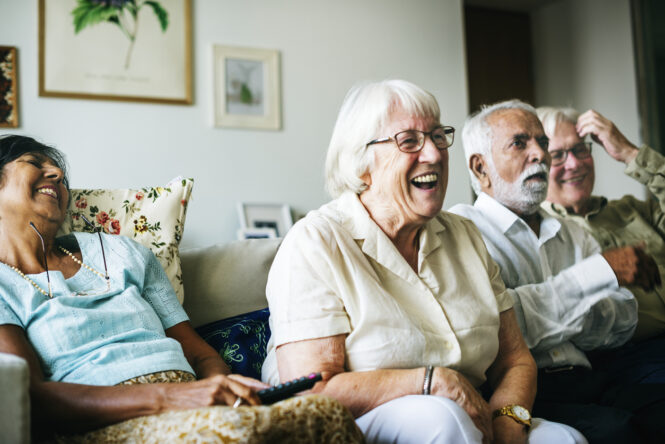
A petition hosted on Change.org has now gathered more than 150,000 signatures amid concern that vulnerable groups could be forced to pay for broadband and new television equipment, while rural communities risk being left behind entirely. The Countryside Alliance has stressed that for many rural residents, particularly older people or those who feel isolated, television represents far more than entertainment, acting as a lifeline for news and a sense of connection to the wider world.
Despite the scale of the potential changes, awareness among the public remains surprisingly low. A survey highlighted by the Big Issue found that nearly seven in ten people are completely unaware the government is even considering this decision.
Is there a middle ground?

Not everyone involved in the debate is pushing for an outright delay. The chair of the Connection Project has argued that nobody is suggesting rural areas should lose television access altogether, but that a 2034 switchover would require universal broadband coverage alongside properly designed services and trusted support for those who need it.
She suggested this transition could actually help bring more households into the wider digital world, including some rural areas that don’t currently receive the full Freeview service even now. In her view, delaying the switch to 2044 risks trapping those same households on a declining service for even longer, before they eventually have to make the switch anyway.