There’s nothing like the satisfaction of stripping your bed, washing your sheets, and folding them away in the cupboard, fresh and clean.
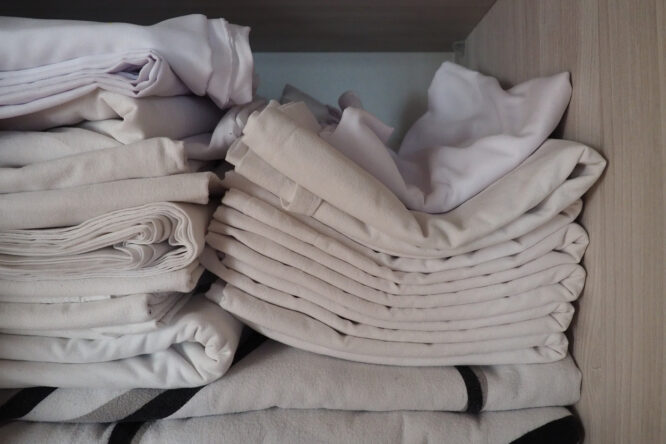
However, it’s a nightmare when you pull them out a couple of weeks later for a bedding change, only to find they’ve somehow developed that stale, damp, and distinctly musty pong. It’s frustrating because you know you washed them well, yet they still end up smelling like they’ve been sitting in a damp basement.
The reality is that keeping your linen smelling genuinely fresh while tucked away in storage involves combating a few hidden culprits that most of us overlook. If you’re tired of having to re-wash clean bedding before it even touches your mattress, changing how you handle the laundry process and the storage space itself is the only way to banish that stale odour for good.
Sheets go stale in storage for one specific reason.
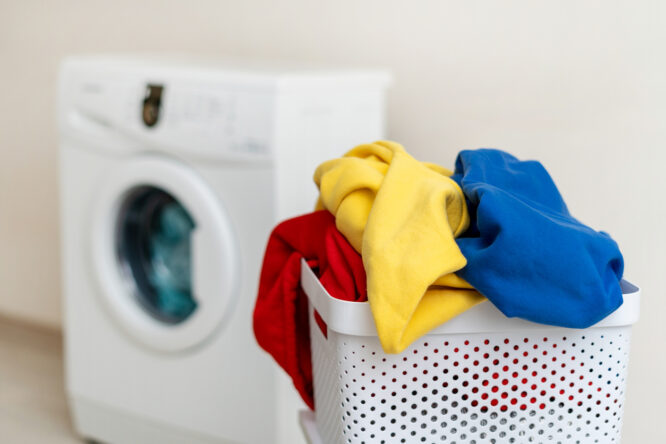
The most common culprit is moisture. Sheets that feel dry to the touch when you fold them can still hold small amounts of dampness deep in the fibres, particularly thicker materials like flannel or tightly woven percale. Once they’re folded and stacked in a closed cupboard, that moisture has nowhere to go and creates the perfect conditions for odour-causing bacteria and mildew to take hold.
Body oils and skin cells left behind from sleeping also play a role, gradually breaking down in storage and developing an unpleasant smell over time. Even if sheets were washed before storing, any residue that wasn’t fully rinsed out continues to degrade in the dark, warm environment of a linen cupboard.
The cupboard itself might be part of the problem.
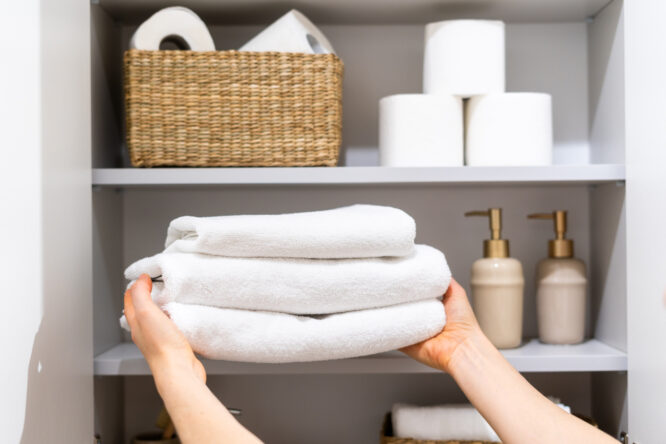
Linen cupboards tend to be small, rarely opened, and not particularly well ventilated, which means any moisture or odour that gets in tends to stay in. Cupboards that share a wall with a bathroom, sit against an outside wall, or are located in a basement are especially prone to running damp without anyone realising.
What’s stored alongside the sheets matters too. Sheets stored near vacuum bags, cleaning products, shoes, cardboard boxes, or off-season clothes will pick up those smells over time. Fabric is highly absorbent and essentially acts like a sponge for whatever the surrounding air smells like.
Too much detergent makes things worse.

It’s a common assumption that using more detergent means cleaner, fresher laundry, but the opposite tends to be true with sheets. Excess detergent and fabric softener leave residue behind in the fibres that doesn’t wash out fully, and over weeks in storage that residue oxidises and develops a flat, musty smell.
Fabric softener is particularly problematic because it coats fibres in a waxy film that traps both moisture and odour molecules. Using only the recommended amount of detergent and making sure sheets are thoroughly rinsed before they go in the dryer goes a long way towards preventing this kind of buildup.
How can you get rid of the stale smell?

The simplest fix is hanging sheets outside in the sun, which naturally deodorises fabric and kills odour-causing bacteria without needing any products at all. Just make sure they’re totally dry before bringing them back in, or the problem starts again immediately.
If that’s not an option, rewashing with half the usual amount of detergent and adding half a cup to a cup of white vinegar to the rinse compartment works well. Vinegar dissolves detergent buildup and neutralises odour molecules rather than just masking them, and the vinegar smell disappears once the sheets are dry.
For really stubborn mustiness, you’ll need extra help.
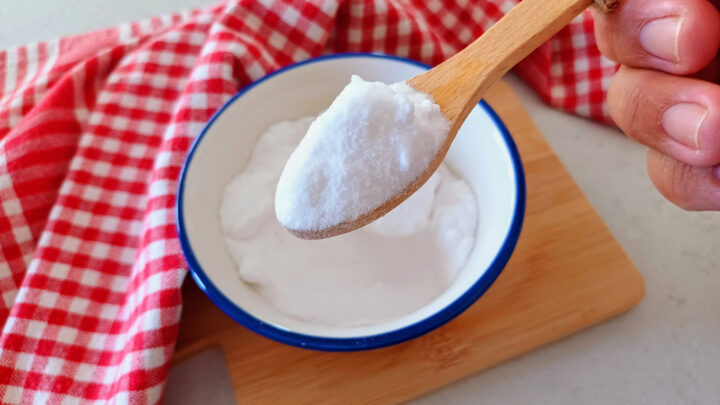
Adding half a cup of baking soda directly into the drum with the sheets during a warm wash breaks down the acidic compounds responsible for stale and sour smells. For particularly set-in odours, soaking the sheets in a bath of warm water with a full cup of baking soda for 30 to 60 minutes before running the cycle can remove even long-standing mustiness.
After rewashing, drying sheets fully on a medium heat and then running an extra 10 to 15 minutes beyond the point where they feel dry makes a real difference. The insides of folded seams and the elastic corners of fitted sheets hold moisture the longest and are the spots most likely to cause problems if not fully dried out.
There’s one fix worth doing once or twice a year.

For sheets that have accumulated months of buildup, laundry stripping is worth trying. This involves soaking sheets in a bath of hot water with a mix of borax, washing soda, and detergent for four to six hours, stirring occasionally. The water will turn noticeably murky as the buildup lifts out of the fabric.
This isn’t something that needs doing regularly, just once or twice a year as a reset for sheets that have gradually built up residue despite regular washing. Washing and drying normally afterwards leaves them feeling genuinely fresh rather than just surface-clean.
It’s possible to keep sheets smelling fresh in storage.

The single most important rule is only ever storing sheets when they’re bone dry, giving them an extra ten minutes in the dryer if there’s any doubt at all. Folding loosely rather than tightly packed also helps, since air can continue to circulate between the layers rather than being sealed in with any remaining moisture.
Adding lavender sachets, cedar blocks, or a few drops of essential oil on a cotton ball to the storage space keeps things smelling fresh for months, with cedar also having the bonus of deterring moths. A small moisture absorber like silica gel in the cupboard is worth adding too, especially in homes where the linen cupboard is near a bathroom or in a naturally damp part of the house.
There are a few habits that make a real long-term difference.

Cleaning the washing machine regularly matters more than most people realise, since a machine that has developed mildew or residue buildup will transfer those smells onto everything washed in it. Running an empty cycle with white vinegar and keeping the door open between washes to let it dry out properly prevents this from becoming a problem.
Rotating between multiple sets of sheets, rather than using the same set repeatedly and storing others long-term, also helps since each set gets washed and aired out more regularly. Keeping the linen cupboard itself clean by wiping down shelves and removing dust periodically removes one more potential source of the smells that fabric is so good at absorbing.