We all want to give our pets the absolute best, and with social media constantly pushing new canine nutrition trends, it’s easy to feel like standard kibble just isn’t cutting it anymore.
From raw meat menus to grain-free meal plans, these alternative regimes are often marketed as the ultimate way to make your dog healthier and shinier. However, a lot of these popular options are causing massive headaches for local surgeries up and down the country. Vets are seeing an influx of malnourished pups and digestive issues because these home-brewed meals lack the vital balance your pet actually needs. Before you bin your current pet food for the latest online craze, here’s why the experts want you to give these options a wide berth.
Dog nutrition is very easy to get wrong.

Dogs might share our homes and our sofas, but their nutritional needs are genuinely different from ours, and what seems instinctively healthy for a human doesn’t always translate. With so much conflicting advice online, it’s easy to be pulled towards something that sounds natural and wholesome without realising the potential downsides.
The safest approach is always to speak to a vet before making major changes to what your dog eats, since they know your animal’s specific health history in a way that a social media trend simply can’t account for.
There are big risks with raw food diets.
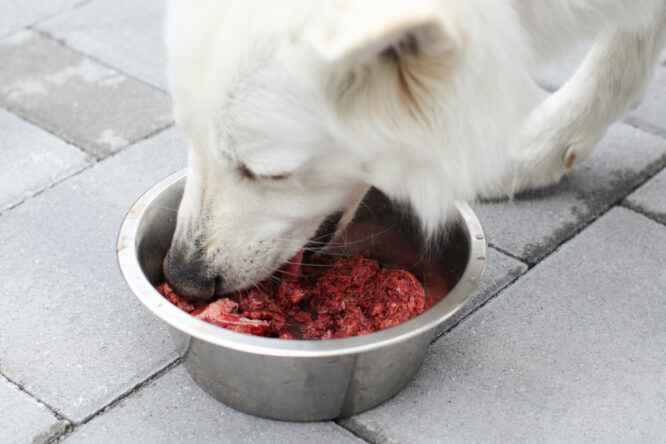
Raw dog food diets have become genuinely mainstream, available in everything from freeze-dried kibble to fresh cuts from the butcher. The appeal makes sense on the surface, as it feels closer to nature, less processed, more instinctive. However, raw meat carries real risks that are easy to underestimate.
Raw food can harbour bacteria, parasites like tapeworms, and diseases including Salmonella, Listeria, and E. coli, all of which pose a danger not just to the dog but to the people in the household too. Dogs fed raw diets can transfer these bacteria and parasites to humans through normal contact, like allowing them to lick your face or handling their food bowls without washing hands thoroughly afterwards.
If you do feed raw, there are things to check.
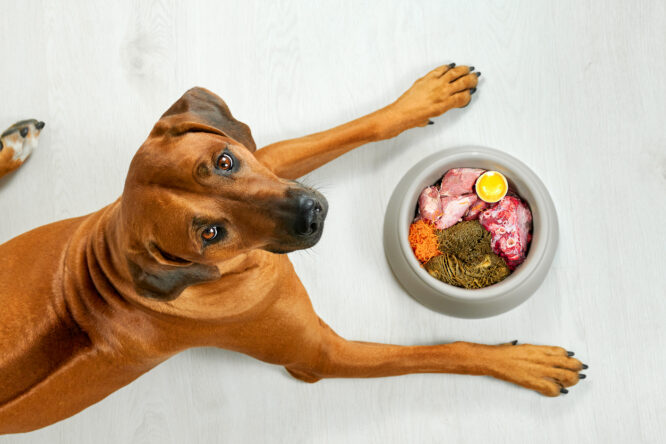
If raw feeding is something you’re committed to, the most important thing to look for is whether the manufacturer uses a kill step in their process, essentially a heat treatment designed to eliminate harmful pathogens before the food reaches your dog. The final product should also be tested for Salmonella, Listeria, and E. coli.
Bones are another issue worth knowing about. They can cause blockages in a dog’s digestive tract that require surgical removal, and in serious cases can lead to a life-threatening infection called sepsis. Removing bones entirely is the safest approach, regardless of how natural including them might feel.
There’s a problem with strictly homemade dog food as well.
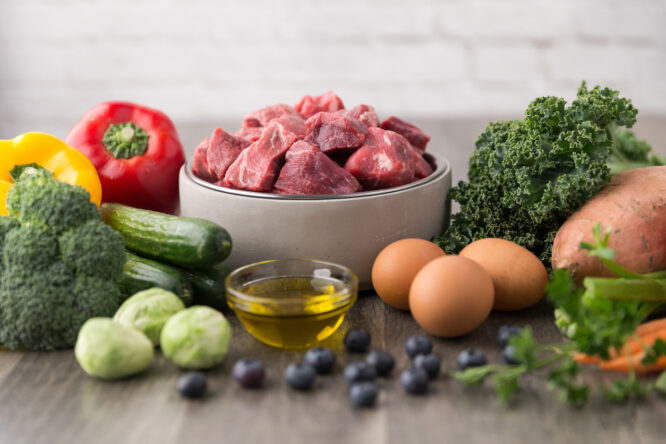
Cooking every meal for your dog from scratch comes from a genuinely loving place, and it’s not without merit. The issue is that a balanced diet for a dog is more complicated than it might appear, and most home-cooked meals end up missing key vitamins and minerals unless they’re specifically designed by a veterinary nutritionist.
If you want to go down this route, looking up recipes that have been approved by a veterinary nutritionist or working with one directly is the recommended approach. Any home-cooked meal should include a protein, a fat source, a carbohydrate source, and a vitamin and mineral supplement to fill nutritional gaps that whole food ingredients alone won’t cover.
Food safety matters just as much when cooking for dogs.
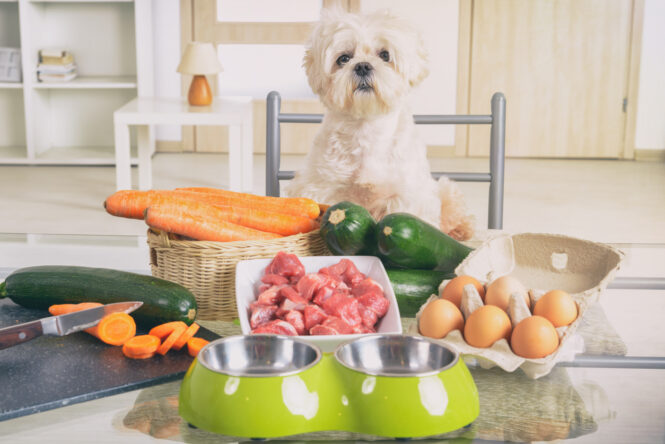
Home cooking for dogs introduces all the same food safety risks as cooking for people, plus a few extra ones specific to dogs. Several common human foods are toxic to dogs, including onions, garlic, grapes, raisins, macadamia nuts, and chocolate, all of which can cause serious harm even in small amounts.
If you’re preparing food for both your family and your dog at the same time, keeping separate chopping boards and knives for dog-safe ingredients is essential. Fresh meat should be stored in airtight containers, used promptly before it has a chance to spoil, and handled with the same hygiene standards you’d apply to meat intended for your own plate.
The grain-free debate is a heated one.
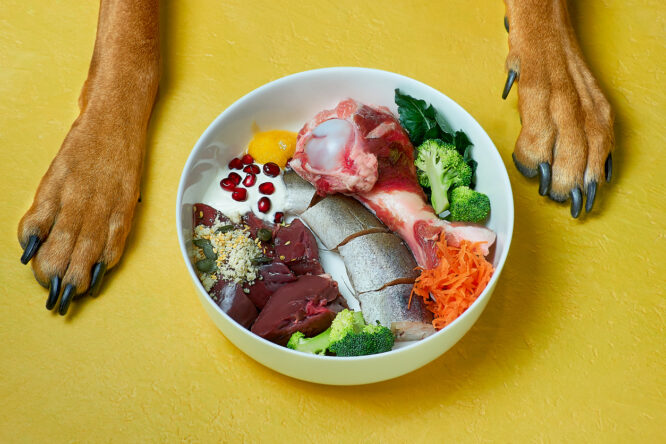
Grain-free dog food has been controversial for several years, partly because some studies have linked it to a serious heart condition called dilated cardiomyopathy. The picture is more complicated than a simple cause and effect, though, with some research pointing to high levels of legumes, particularly peas, as the more likely culprit rather than the absence of grains itself.
There isn’t enough research yet to say definitively what’s driving the link, and the good news is that heart issues arising from diet appear in most cases to be reversible once the diet changes. Anyone feeding their dog a grain-free diet is advised to keep their vet closely involved and watch for any signs of cardiac problems.
What do vets actually recommend instead?
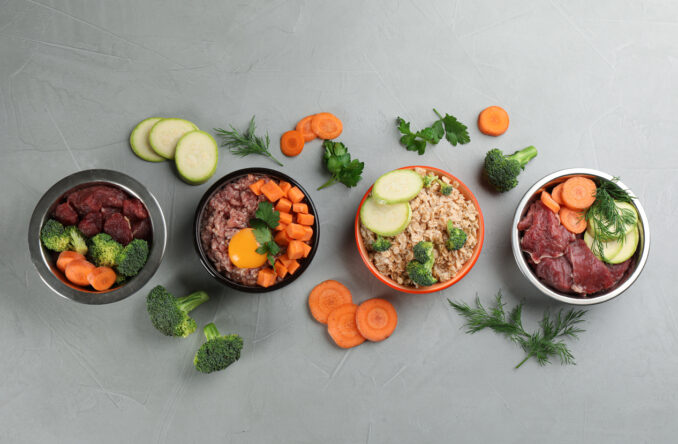
Rather than overhauling your dog’s diet based on a trend, the vet-approved approach is more measured. Adding some fresh whole foods alongside regular dog food can genuinely benefit health, with things like blueberries, apples, plain peanut butter, and lean cooked meat all offering real nutritional value without the risks that come with full dietary overhauls.
Any diet change should happen gradually over about a week, starting with roughly 75% of the old food and 25% of the new, then shifting the balance slowly over several days. Dogs also have different nutritional needs at different life stages, so food that’s right for a puppy won’t necessarily be right for a senior dog, and a vet is the best person to advise on what’s appropriate for your animal’s specific age and health.