If you grew up watching ITV—let’s be honest, most of us did—this week’s news probably felt a bit strange.
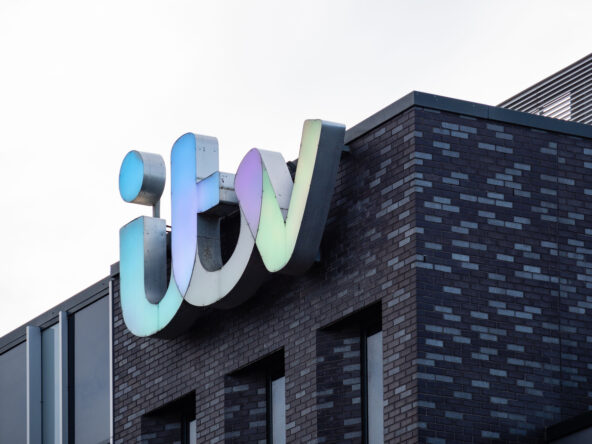
Sky has agreed to buy ITV’s television network in a deal worth £1.6 billion, and just like that, one of the oldest and most familiar names in British broadcasting is heading into new hands. It’s the kind of thing that causes concern for many viewers, even if they haven’t watched live telly in years. And while some things will inevitably change under the new owners, there’s plenty that’s staying the same.
What’s actually been agreed here?
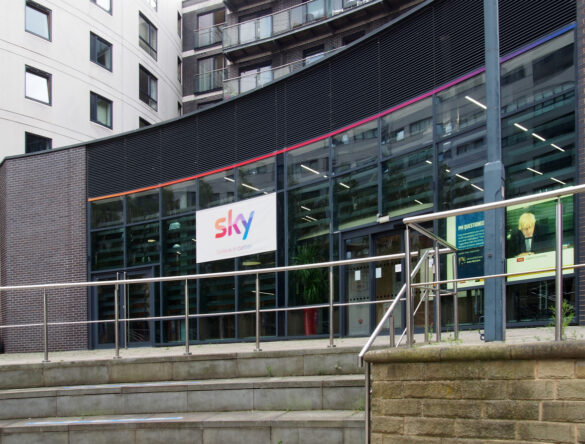
Sky is buying ITV’s broadcast network, which is the part that runs the actual channels. That covers ITV1, ITV2, ITV3, ITVX, and everything that goes with them. The deal is worth £1.6 billion in total, with the bulk of that paid upfront and a further chunk coming a couple of years down the line depending on how advertising revenue performs. ITV shareholders are also getting a cash return as part of the arrangement.
What’s not included is ITV Studios, the production arm that actually makes the shows. That part of the business is staying separate and will continue operating independently, at least for now. So the company that makes Love Island, Coronation Street, and I’m a Celebrity will still exist, it just won’t own the channels those programmes air on anymore.
Sky and ITV are actually closer in size than you might think.

One of the more surprising details in all of this is just how similar the two companies’ audiences already are. Together, Sky and ITV hold around 17.7% of all TV and streaming viewing in the UK. YouTube, for comparison, sits just slightly ahead at 18.6%. That context helps explain why this deal is happening at all. These are two big British broadcasters realising they’re stronger together when the real competition is coming from platforms that didn’t exist twenty years ago.
ITV brought in £2 billion in revenue in 2025 and has a streaming platform in ITVX that’s grown considerably over the past few years, now reaching over 16 million people a month. That’s not a struggling company. But its share price has taken a hit over recent years as TV advertising has become a harder market, and this deal gives it a more stable future under a bigger umbrella.
Why is this happening now?

Traditional broadcasters have been under pressure for a long time, and that pressure has been building into something that’s hard to ignore. Netflix, Amazon, YouTube, and Disney have fundamentally changed how people watch things, and the advertising money that used to flow reliably towards commercial television has been following audiences onto those platforms instead. ITV has felt that shift more than most.
Sky has been through its own changes too. It was sold to American media giant Comcast back in 2018 for an enormous sum, and there’s been a sense in the industry that it’s never quite found its footing within that setup. Buying ITV gives Sky something major to anchor itself to, and it gives both companies a combined reach that makes them harder to overlook when advertisers are deciding where to spend.
The shows you actually watch will largely be unchanged.

This is probably the question most people care about, and the reassuring answer is that nothing changes immediately and some key things are protected. Love Island, Coronation Street, and I’m a Celebrity are all specifically named in the deal as programmes that will not move behind a paywall. They’ll stay free to watch, which makes sense given how central they are to ITV’s identity and audience.
Sky has also signed a long-term content deal with ITV Studios that runs until 2032, which means the relationship between the two sides of the old ITV business is locked in for several years. There’s also a separate arrangement involving Love Productions, the company behind The Great British Bake Off, which is being sold to ITV Studios as part of the wider transaction. So, Bake Off stays in the ITV Studios family, which is a neat detail most people will be pleased about.
There’s an American connection most people don’t know about.

Sky sits under NBCUniversal, which is owned by Comcast, and that’s where things get interesting from a bigger picture perspective. NBCUniversal and ITV have actually worked together before in a fairly meaningful way. Downton Abbey, one of the most successful British dramas of the last couple of decades, was a joint venture between the two. It ran for six series and has since spawned a string of successful films, so there’s a real precedent for this kind of collaboration producing something that travels well internationally.
The timing of this deal also isn’t accidental. Comcast is in the process of spinning NBCUniversal out into its own standalone listed company, and having ITV folded into the Sky operation right at that moment gives the whole thing a bit more weight and momentum. The thinking seems to be that a combined Sky and ITV is a more compelling proposition for investors than either one would be on its own.
What does Sky actually get out of the deal?
Sky has always been primarily a subscription business. You pay monthly, you get the channels and sport. Buying ITV moves it into different territory because ITV is fundamentally a free-to-air, advertising-funded broadcaster. That’s a new model for Sky to manage, and it’ll be interesting to see how it handles the balance between its paying subscribers and the much larger free audience that ITV reaches.
What it gains is reach, brand recognition, and some of the most-watched content on British television. ITV’s commercial viewing share sits at nearly 32%, which is a large number. Sky’s own content, things like The Day of the Jackal and Saturday Night Live UK, could potentially benefit from being surfaced to a much wider audience through ITV’s free platforms. That’s a genuinely useful thing for a broadcaster trying to compete with global streaming services.
There’s still a major regulatory hurdle to overcome.

The deal isn’t done yet. Something this size will go through a regulatory approval process, and that takes time. A few years ago, a merger between two of the UK’s biggest broadcasters would have raised serious competition concerns. The argument now is that the competitive landscape has changed enough, with global tech platforms dominating viewing figures, that the case for allowing consolidation is stronger than it used to be.
Both sides seem confident they’ll get clearance, and that confidence appears to be based on a reasonable reading of where things stand. Regulators have generally become more sympathetic to traditional media companies joining forces when the alternative is watching them individually lose ground to platforms operating at a different scale.
What will happen to ITV Studios going forward?
 Source: Unsplash
 ITV Studios is now in an unusual position. It’s one of the most successful production companies in the world, with operations across the UK, Europe, the US, and Australia, but it’s no longer attached to the network it was built alongside. In the short term, it stays listed and continues as before, but the longer-term question of what it does next is very much open.
The production market is consolidating rapidly. Banijay and All3Media are currently merging to create a major new player in the UK, and ITV Studios will need to think about whether it wants to find a partner of its own. There’s speculation about various options, but nothing confirmed. What is clear is that the split from the network could actually free ITV Studios to do more business with a wider range of broadcasters, rather than being seen primarily as ITV’s in-house supplier.
This is part of a wider change for the industry.

This deal is one of several happening across the industry at roughly the same time. Paramount and Warner Bros. Discovery are working through their own merger, and the logic driving all of it is the same: individual companies that were giants in their own right are finding that the world has moved, and they need more scale to stay relevant in it. British television is not immune to that, however beloved it is.
ITV has been part of British life since 1955. It’s been the home of the news, the soaps, the reality shows, the World Cup. None of that disappears overnight, and the people running both companies have been at pains to say the public service broadcaster identity stays intact. Whether that remains true five years into Sky’s ownership is a question nobody can answer yet, but for now, the shows go on, and the channels stay free. That’s probably the most important thing for most viewers.