If stepping into your garden feels like walking onto a stage, you’re not alone.

There’s nothing quite like relaxing in the garden on a sunny afternoon, but that peaceful feeling completely vanishes if you feel like your neighbours are watching your every move. Whether you are dealing with a low, broken fence or an open boundary that leaves your patio fully exposed, lacking a clear barrier can make your outdoor space feel like a public park.
Putting up a brand-new wooden fence can cost an absolute fortune and often involves awkward conversations about who owns what boundary. Fortunately, you don’t need to spend thousands of pounds on professional landscaping to get a bit of seclusion. A few clever, budget-friendly additions can completely block out unwanted views and clearly define your boundary without draining your bank account or causing a row next door.
Privacy screens offer an instant fix.
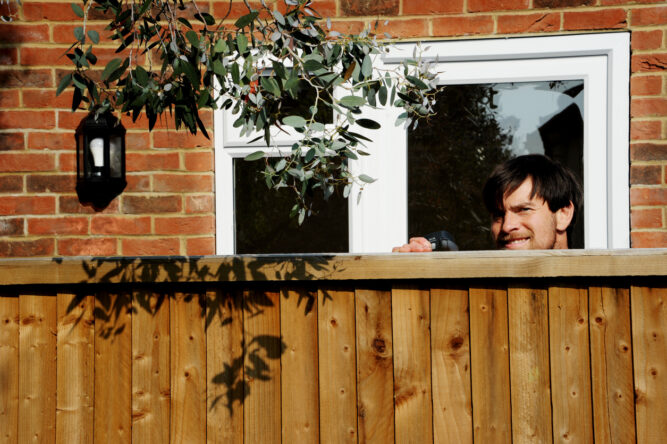
If you want results today rather than in a few months, a privacy screen is the fastest option available. They can be fitted in an afternoon and immediately block sightlines from neighbouring properties, making them especially useful around a patio or seating area that currently feels on show.
They work particularly well in smaller gardens where a hedge or tree would take up too much space, and they’re also handy for hiding bins or unsightly corners without having to do anything drastic to the overall layout.
Fast-growing hedging can be bought from only £9.

Hedging is one of the most natural-looking ways to create a boundary, and it has the added benefit of improving over time rather than staying static. Evergreen varieties like yew, laurel, and hornbeam maintain their coverage all year round, which makes them more useful than a deciduous hedge that leaves you exposed through winter.
A yew plant starts at around £9 at B&Q and a laurel comes in at £12.99 at Hedges Direct, though the total cost will depend on how much of your garden you’re covering. Smaller plants tend to establish more reliably and fill out into a denser barrier over time, even if they take a little longer to get there than a larger specimen would.
Bamboo for height and character

Bamboo can be attached to an existing fence quickly, adding both height and a distinctive look that feels a step up from a plain panel. Fargesia rufa is the variety most often recommended for UK gardens because it’s reliably hardy and widely available, and it won’t spread aggressively the way some bamboo types can.
It’s currently priced at £19.99 at B&Q, making it one of the more affordable ways to add meaningful screening along a fence line. It creates privacy and adds character to a garden in a single afternoon, which is hard to beat at that price.
Trellis and climbers are pretty inexpensive at around £12.

Trellis is one of the cheapest ways to gain extra height without replacing an existing fence entirely. Basic panels start at around £12 at Wickes, and can be fixed on top of a fence or against a wall to push the screening higher than the original structure allowed.
Adding climbers like jasmine or clematis softens the look and eventually fills the trellis with foliage, turning a fairly simple addition into something that looks genuinely established. It takes a season or two to fill out fully, but the initial screening benefit is there from the day it goes up.
Getting a new fence without overspending can be tough, but it’s possible.

A full fence replacement is the pricier end of the garden privacy spectrum, with average installation costs sitting around £2,200 according to Checkatrade. But there are ways to bring that figure down without compromising on what you actually need.
Opting for panels at 1.65m rather than the standard 1.8m can reduce the price without making a dramatic visual difference, and going for traditional featherboard fencing built on site from posts, rails, and pales is often more cost-effective than pre-made panels. Adding gravel boards at the base protects the bottom of the fence from rot and gives a little extra height at the same time.
Small screening trees offer a natural look.

If a fence or screen feels too hard and structured, a small tree can break up sightlines in a way that feels more relaxed and natural. Silver birch is a particularly good option because it provides screening without creating a solid wall of foliage, keeping the garden from feeling hemmed in while still offering genuine privacy.
Rowan and ornamental cherry also work well, particularly for blocking views from upstairs windows. A silver birch can cost as little as £12.99 from the Woodland Trust, though it’s worth checking how tall and wide any tree will eventually grow before planting, since a small purchase from a garden centre can look very different a decade later.
Check the rules before you start.

In the UK, fences up to 2 metres high can generally go up without planning permission, but there are exceptions near roads and footpaths, and rules can vary by local council. It’s worth a quick check with your local authority before starting anything major, particularly if you’re planning something taller than usual.
It’s also worth knowing who actually owns the fence before making any changes. Property deeds and title plans give an indication, but the Land Registry is the most reliable place to confirm it. A T mark on the title plan shows ownership, while an H mark means both neighbours share responsibility. Giving whoever lives next door a quick heads-up before work starts tends to go a long way too.