June is the month gardens really start showing off.
The longest day of the year falls slap in the middle, light levels are at their peak, and pretty much everything you planted in spring is finally putting on a proper show. It’s also one of the busiest months for keeping on top of things, so here are the jobs worth tackling this month if you want your garden looking its best by July.
Hoe regularly to stay ahead of the weeds.
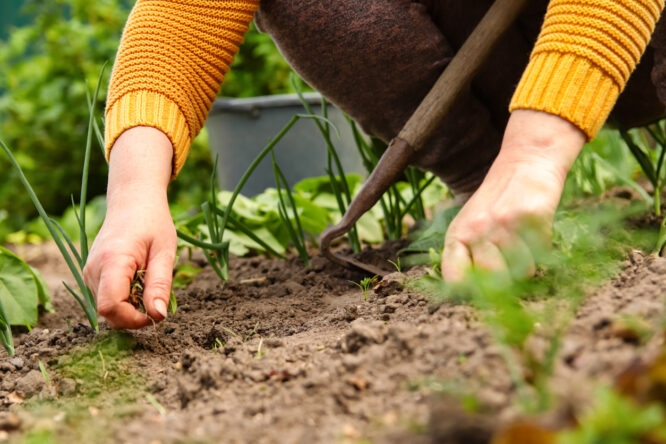
June’s mix of warmth and the odd downpour is heaven for weeds, and a border left alone for a fortnight can suddenly look like a meadow. The trick is little and often. Run a hoe across the surface of the soil on a dry, breezy day, slicing the weeds off just below the surface. They’ll wither up and die before they get a chance to reroot.
A few minutes of hoeing once a week is far easier than letting them get away from you. For the deeper-rooted ones like dandelions and bindweed, hand-pull them after a bit of rain when the soil is softer and the whole root is more likely to come out.
Water wisely, especially containers and baskets.
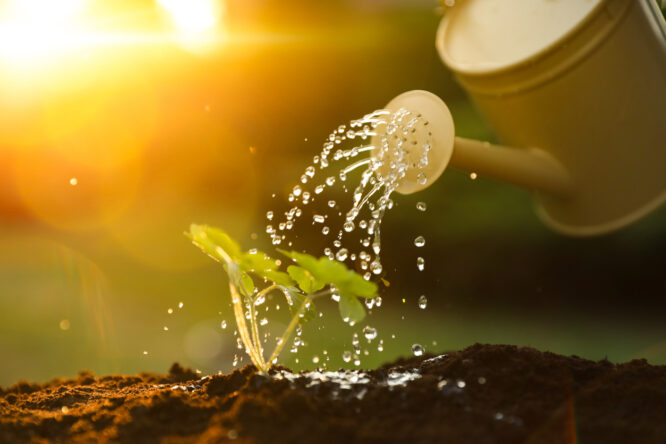
June often brings the first proper dry spells of the year, and watering becomes a daily job rather than a casual one. Pots, hanging baskets and anything you’ve recently planted will dry out fast in the warm weather, sometimes needing a soak every single day.
Borders and established plants tend to do better with a proper deep water once or twice a week, rather than a quick splash every day. The deeper soak encourages roots to grow downwards looking for moisture, which makes plants more resilient later in the summer. Water early in the morning or in the evening to cut down on evaporation, and try to aim at the base of plants rather than the leaves.
Catch the rain for free.
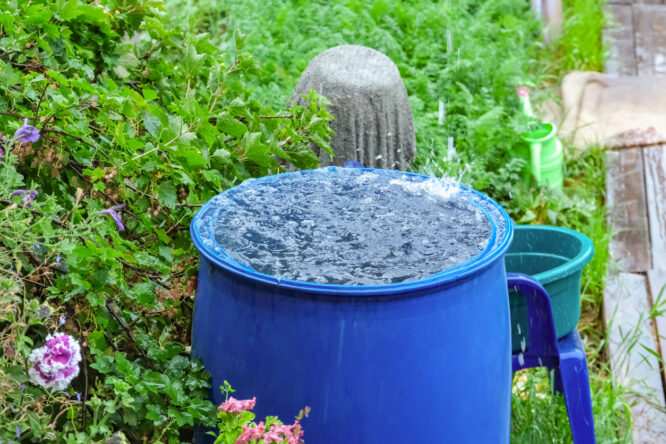
If you don’t already have a water butt, June is a great month to think about getting one. Even a small butt connected to a shed or greenhouse can collect a surprising amount of water over the course of a month, and rainwater is genuinely better for your plants than tap water.
It saves you money, it cuts down on the water you waste from the mains, and it gives you something to fall back on during hosepipe bans, which are becoming more common across the UK. A bigger butt by the side of the house can hold hundreds of litres, which is enough to keep your pots going through quite a long dry stretch.
Pinch out tomato side shoots.
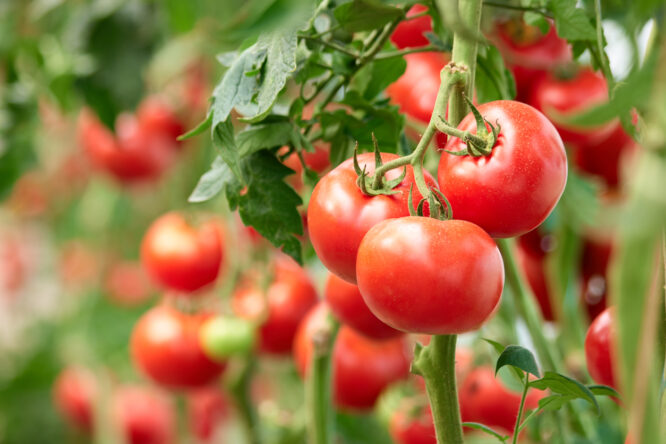
If you’re growing tomatoes, June is the month to get into the habit of pinching out side shoots. These are the little stems that appear in the V-shaped joint between the main stem and a leaf. Left alone, they grow into extra branches that pull energy away from fruit production, leaving you with a bushy plant and not many tomatoes.
Pinch them out with your fingers when they’re still small. Keep watering tomatoes evenly while you’re at it, since erratic watering can cause that horrible black sunken patch on the bottom of the fruit, which is a sign of calcium not getting where it should because the water supply has been all over the place.
Stake tall plants before they flop.
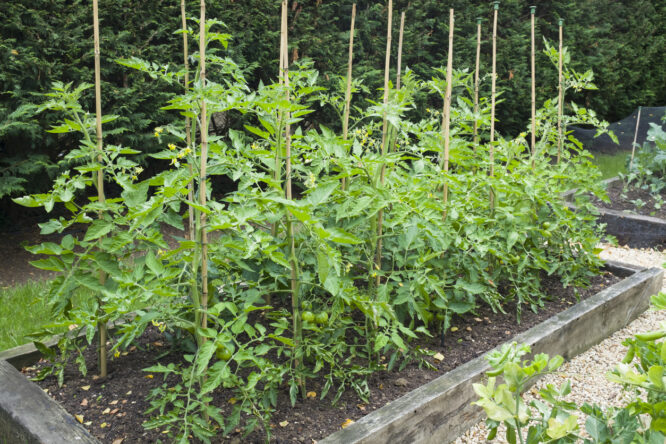
By June, tall perennials like delphiniums, foxgloves, peonies, dahlias, and lupins are putting on real height. The first proper summer downpour or windy night can flatten them in seconds if they’re not supported. Getting stakes or plant supports in now, before everything reaches full size, saves a lot of heartbreak later.
Hazel sticks, bamboo canes, metal ring supports or pea netting all do the job nicely. Aim to make the support sit just below the eventual flowering height, so it disappears into the foliage and doesn’t ruin the look. Peas in the veg patch also need staking now, with pea sticks, netting or twiggy bits pruned from elsewhere in the garden.
Plant out bedding, baskets and tender crops.
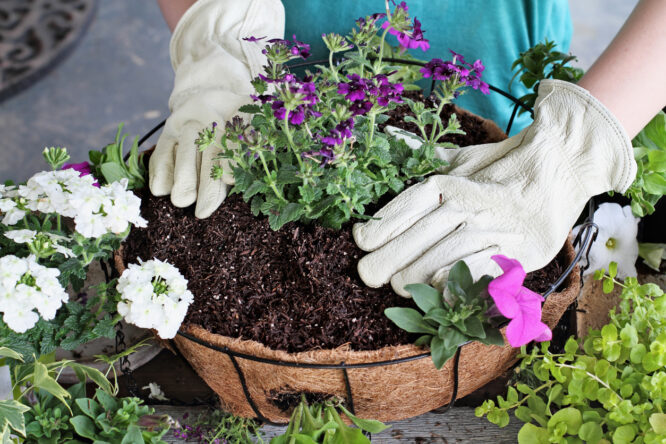
The risk of frost has officially passed everywhere in the UK by now, so anything tender that’s been hardening off can go into its final spot. Summer bedding like cosmos, rudbeckia, nicotiana, petunias and busy lizzies can go straight into beds, borders, pots, and baskets.
The same is true for half-hardy crops like tomatoes, peppers, courgettes, cucumbers, runner beans and pumpkins, which can all be planted out now if they’re not in already. June is the last realistic month to get tender crops in, especially in cooler northern areas, so don’t delay. Mix some slow-release fertiliser into the compost as you plant, and add water-retaining gel granules into pots to take the stress out of hot weeks.
Deadhead anything that flowers.
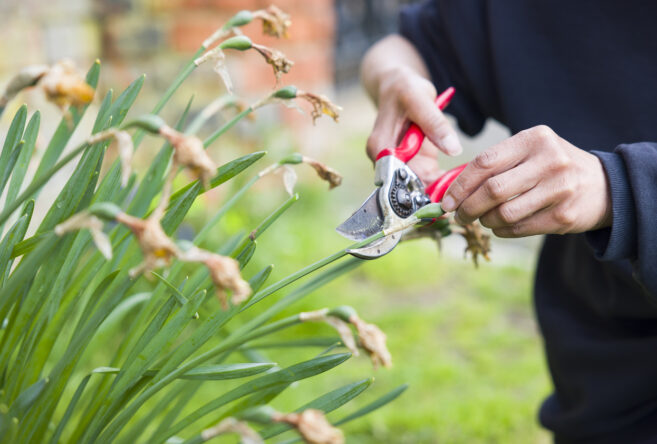
This is the month deadheading really earns its keep. Snipping off faded flowers from roses, sweet peas, bedding plants and perennials tells the plant to keep producing more, rather than diverting energy into making seeds. Roses respond especially dramatically, often giving you a second proper flush of blooms by mid-summer.
Use sharp secateurs to make a clean cut, since blunt tools tear the stem and let in disease. Even a few minutes with a pair of snips every couple of days makes a noticeable difference, and it’s one of those jobs that’s genuinely satisfying to potter at with a cuppa in hand.
Mow the lawn, but raise the blades.

Grass really hits its stride in June, so the mower needs to come out more often. The trick this time of year is to raise the blades a notch rather than scalping it close to the soil. Slightly longer grass stays green far better in hot, dry spells, shades its own roots and outcompetes weeds. If we hit a proper dry patch and the lawn starts to brown, don’t panic and don’t pour water on it.
Brown lawns are dormant, not dead, and they bounce back the moment the rain returns. You can also leave a small patch to grow long for the wildflowers and pollinators, which is one of the easiest little wins for nature in your garden.
Watch out for slugs, snails, and aphids.
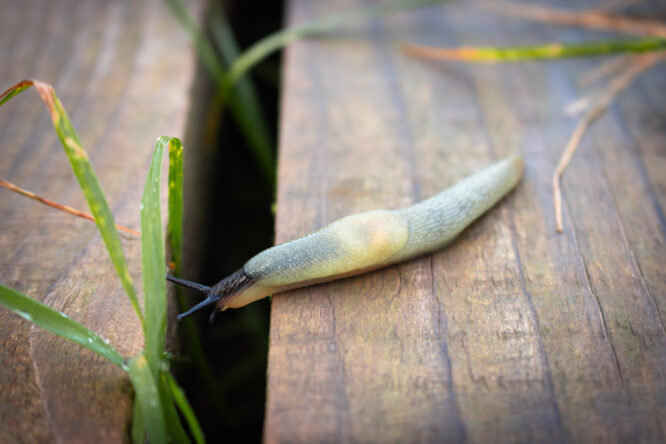
Warm, damp June nights are heaven for slugs and snails, and they’ll quietly demolish your newly planted seedlings overnight if you let them. A torchlit patrol at dusk is surprisingly effective, or you can use organic pellets, crushed shells, copper rings or wool-based barriers.
Aphids, including greenfly and blackfly, also tend to explode in numbers this month, especially on roses, beans and any soft new growth. A gentle squirt of soapy water knocks them back, and if you can encourage ladybirds and lacewings into the garden, they’ll do most of the work for you.
Feed your plants to keep them going.
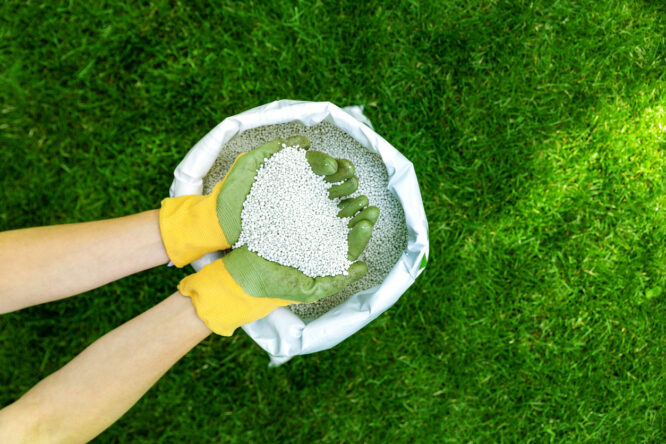
All this growth costs the plants serious energy, and they’ll thank you for a regular feed through June. A general-purpose liquid feed added to the watering can every couple of weeks works wonders for borders, baskets, and containers. Tomatoes start needing a specialist tomato feed once they begin flowering, with a feed once or twice a week giving you better fruit.
Roses appreciate a potassium-rich rose feed after their first big flush, and strawberries benefit from a tomato feed too, oddly enough, since they share a love of potassium. Even a quick top-up of nutrients makes a real difference to how long things keep producing.
Sow the next round of crops and salads.
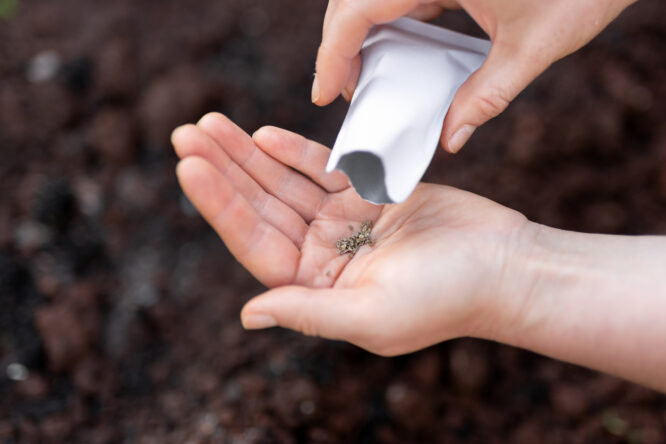
If you’ve got a veg patch or even a few containers of edibles, June is a brilliant time to keep sowing. Direct sow carrots, beetroot, lettuce, radish, rocket, and spring onions for a steady supply through the summer. You can also sow Florence fennel, chicory, French beans and runner beans this month.
Little and often sowings give you a much longer harvest than one big batch, and they make sure you’re not facing a glut all at once. Earth up maincrop potatoes as their foliage grows, drawing soil up around the stems to encourage more tubers and stop any from going green in the light.
Harvest the first strawberries and early veg.
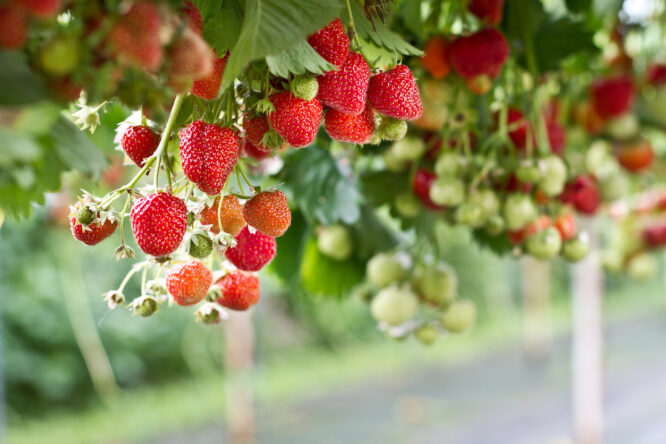
The reward for all that earlier graft starts arriving in June. Strawberries begin ripening properly, so check them every couple of days and pick them as soon as they turn fully red. Pop a mulch of straw or strawberry mats underneath the plants to keep the fruit clean and slug-free.
Early new potatoes are usually ready to dig up once the plants flower, and there’s something quite magical about lifting your first batch. Salad leaves, radishes, spring onions, the first peas, broad beans and early gooseberries should all be ready for picking too, so don’t let them get woody and tough by leaving them too long.
Ventilate the greenhouse before it boils.
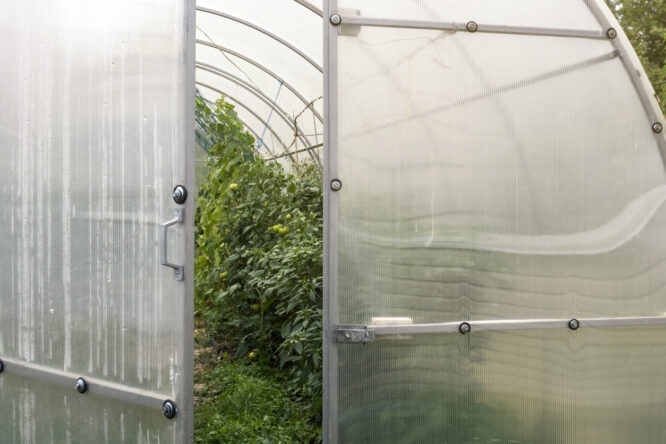
If you’ve got a greenhouse, June is when it can really heat up, sometimes shooting above 35 degrees on a sunny afternoon. Plants will wilt or get scorched in those temperatures, and disease problems creep in too. Open the doors and vents during the day, and consider adding some shading, either with proper greenhouse shading mesh or a coat of shade paint on the glass.
Damping down the floor with a watering can on hot days raises the humidity, which both cools things down and helps tomatoes and cucumbers thrive. Just remember to close everything back up if cold nights are forecast.
Prune spring-flowering shrubs.
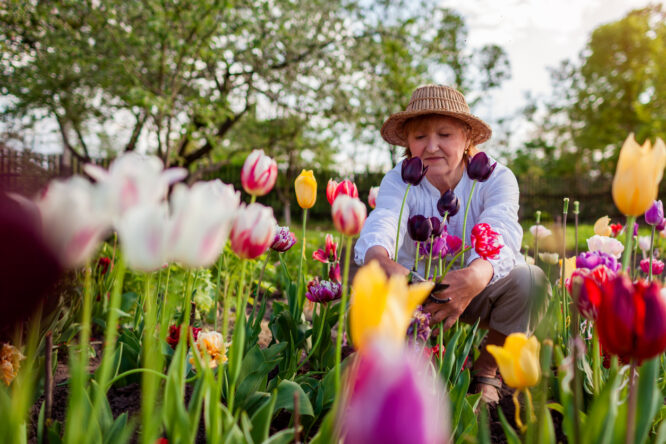
Some of the early-flowering shrubs, including weigela, deutzia, philadelphus and lilac, will have finished their main display by now. June is the right time to give these a tidy prune, cutting back about a third of the older stems to a strong outward-facing bud. That keeps them in good shape and encourages plenty of new growth for next year’s blooms.
A feed afterwards with a general-purpose fertiliser or some chicken manure pellets gives them a proper boost to recover. Don’t be tempted to prune later-flowering shrubs yet, as you’ll just lose this year’s display.
Make time to actually enjoy the garden.

For all the jobs above, June is also the month when the garden genuinely starts paying you back for the months of effort. Pull a chair out, make yourself a cuppa or pour a glass of something cold, and spend ten minutes just looking at what’s growing. Listen out for the bees, watch the swifts overhead, and notice the changes from one day to the next.
The whole point of a garden, after all, is to be enjoyed as much as it is to be tended. Tick off a couple of jobs from the list, then sit back and let it work its magic on you too.