Zinc is one of those nutrients most people never really think about until their body starts behaving differently.
We usually think a vitamin shortage will knock us off our feet, so we end up ignoring the smaller hints our bodies drop when we’re running low on something. Zinc is one of those minerals that runs the background stuff, keeping your immune system ticking and your skin and digestion working properly.
Because you only need a tiny bit of it every day, you’d assume you’re getting plenty from your food, but missing out is actually pretty common. The real problem is that the symptoms look exactly like normal, everyday tiredness or minor annoyances that you’d usually just shrug off. If you’ve been feeling a bit run down lately, checking for a few specific changes is the easiest way to see if you need to switch up your diet.
Slow-healing cuts and scrapes can sometimes be an early warning sign.

Cuts, bruises, irritated skin, and scratches naturally take time to recover, but zinc helps the body repair damaged tissue properly. When levels drop too low, healing may start feeling noticeably slower than usual. The mineral plays a big role in immune activity and cell repair, both of which are needed when the body is trying to close wounds and prevent infection. Some people first realise something feels off because even small injuries seem to linger far longer than expected.
That obviously doesn’t mean every slow-healing scrape points to a deficiency. But when skin constantly takes ages to recover from everyday damage, low zinc is one possible explanation doctors sometimes consider.
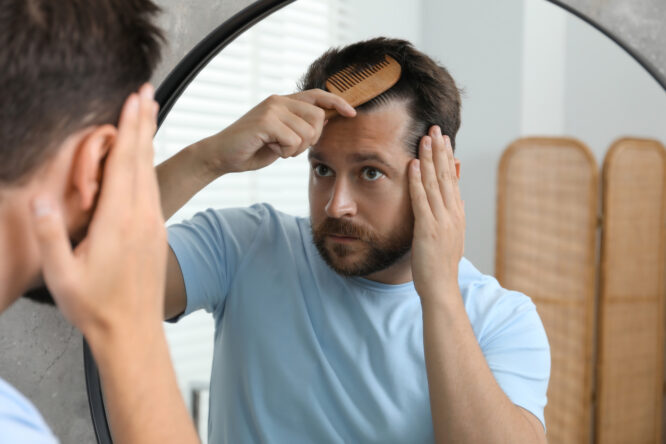
Hair thinning and increased shedding may also be connected.

Hair follicles are constantly regenerating, which means they rely heavily on nutrients involved in growth and repair. Zinc helps support those processes, so lower levels can sometimes interfere with the normal hair cycle. Some people notice gradual thinning, while others experience more sudden shedding or patchier hair loss. Low zinc has also been linked to certain hair loss conditions, including alopecia areata.
The tough part is that hair loss can happen for dozens of different reasons. Stress, hormones, illness, medications, ageing, and genetics can all play a role too, which is partly why nutritional deficiencies are so easy to overlook.
Skin flare-ups and acne may sometimes have a nutritional link.

A lot of people think acne only comes down to hormones or oily skin, but zinc also appears to influence inflammation and immune responses inside the skin itself. Lower levels have been linked in some studies to more severe breakouts and irritation. That may be because the mineral helps regulate how the skin responds to bacteria, inflammation, and healing.
That’s not to say that zinc is some miracle acne cure, obviously. However, it does show how nutrient levels can sometimes affect the skin in ways people would never immediately suspect.
Constant illness and slower recovery can sometimes point to low zinc.

The immune system depends heavily on zinc to help produce and support important immune cells. Without enough of it, the body may struggle to respond properly to infections and inflammation. That may partly explain why some people feel like they are always run down, constantly catching colds, or taking much longer than everyone else to recover after getting ill.
In the long run, lower zinc levels may leave the body less resilient overall, especially during periods of stress, poor sleep, illness, or ageing.
Changes in taste or smell can feel especially strange.

One of the more unexpected signs involves food suddenly tasting different or less enjoyable than usual. Some people notice flavours becoming duller, while others experience changes in smell too. Zinc helps support sensory systems connected to both taste and smell, which is why low levels can sometimes interfere with them.
Because the symptom feels so random, many people never connect it back to nutrition at all. They often assume it is linked to ageing, allergies, illness, or something else entirely.
Low zinc levels may also affect hearing in some people.
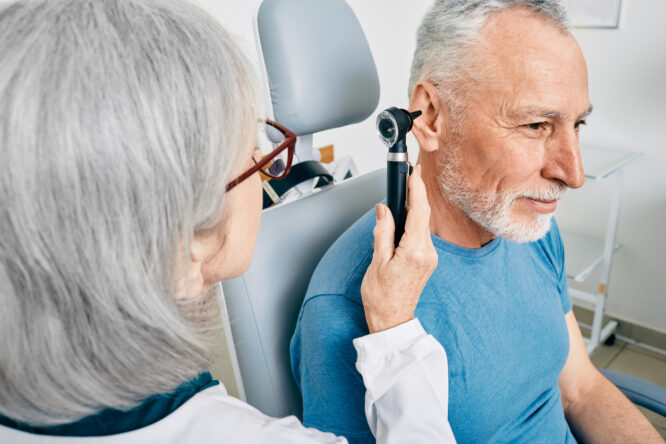
Some studies have linked zinc deficiency to hearing issues, including tinnitus, which causes persistent ringing or buzzing sounds in the ears. The exact relationship is still being studied, but zinc appears to play a role in nerve signalling and inflammatory processes connected to hearing function. Interestingly, lower zinc levels have sometimes been linked to more severe tinnitus symptoms, although scientists are still trying to fully understand why.
The eyes rely on zinc more than many people realise.

The retina contains relatively high levels of zinc, and those levels naturally decline with age. Because of that, low zinc has been linked to certain vision problems later in life, including age-related macular degeneration. The mineral appears to help protect delicate eye cells and support normal retinal function over time. Zinc alone doesn’t eyesight problems, but it’s another reminder that the nutrient is involved in far more systems across the body than people usually realise.
Children and teenagers may show completely different symptoms.

In younger people, low zinc is more strongly linked to slowed growth and development, rather than some of the symptoms commonly seen in adults. The mineral is essential for healthy cell growth, appetite regulation, and physical development throughout childhood and adolescence. If levels remain too low during important growth periods, development can gradually slow in ways that aren’t always immediately obvious at first.
Some people naturally face a higher risk of deficiency.

Low zinc is still considered relatively uncommon overall, but certain groups appear more vulnerable than others. Vegetarians and vegans can sometimes struggle more because many zinc-rich foods come from animal products like oysters, beef, pork, and turkey. Digestive disorders, eating disorders, poor nutrient absorption, and substance abuse issues can also increase risk.
Older adults may become more vulnerable too because appetite changes, medications, and reduced absorption can all affect nutrient levels over time.
The symptoms rarely seem connected at first.
That is really what makes zinc deficiency so easy to miss. Hair thinning, acne, taste changes, slower healing, hearing issues, and getting ill more often do not immediately sound like pieces of the same puzzle. Because the symptoms show up in completely different parts of the body, people often treat each issue separately, without realising there may be one underlying nutritional problem connecting them all.
It’s s another reminder that some of the smallest nutrients working quietly in the background can end up affecting far more of everyday life than most people ever expect.