Most of us reach for the insect repellent the moment summer arrives, trusting it to do exactly what it says on the bottle.

However, new research published in the Journal of Experimental Biology has thrown up a slightly unsettling twist. It turns out mosquitoes might be cleverer than we give them credit for, and in some cases they could even learn to associate the smell of our repellent with finding their next meal. Here’s what scientists have found and what it means for keeping the little blighters at bay.
These days, repellent matters more than ever.

Mosquitoes aren’t just annoying, they’re one of the most dangerous creatures on the planet. The diseases they can spread, including malaria, dengue, chikungunya, and various viruses, affect millions of people every year. And those diseases are turning up in more places than they used to, thanks to a mix of travel, growing cities and a warmer climate.
Insect repellents are one of the simplest tools we’ve got to protect ourselves, which is why understanding how they really work matters. The more we know, the better we can use them, and the harder we can make life for the mosquitoes.
The active ingredient is doing the heavy lifting.

The chemical name behind most repellents is DEET, which has been the gold standard for keeping mosquitoes away for over 80 years. It works for around five hours at a time, it’s cheap to make, and it’s been backed by decades of use around the world.
Despite all that history, scientists still don’t fully agree on how it actually keeps mosquitoes from biting. Some think it blocks the smells they normally use to find us. Others suspect it’s mildly toxic to them. The truth is probably somewhere in between, with several different effects working at the same time.
How do mosquitoes find us in the first place?
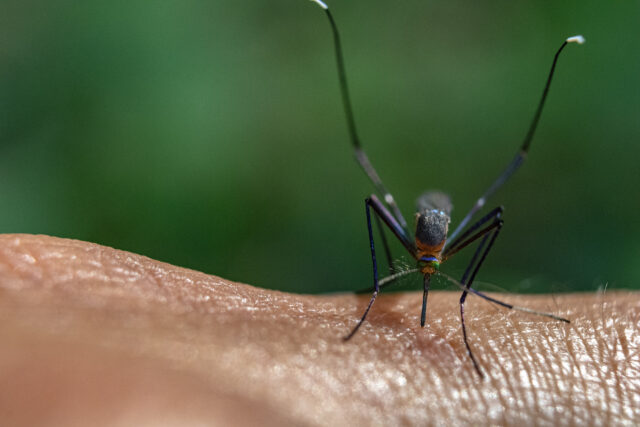
To understand how repellents work, it helps to know how mosquitoes hunt us down. Only females bite because they need the protein in our blood to develop their eggs. They’re guided by a clever mix of clues, including the carbon dioxide we breathe out, the lactic acid in our sweat, and the unique scent each person gives off.
Their antennae, the long pointy mouth part called the proboscis, and the sensors either side of it all work together to pick up these signals. So when a mosquito zeroes in on you across the garden, it’s actually responding to a whole chemical fingerprint your body is giving off.
Scientists already knew a fair bit about DEET.
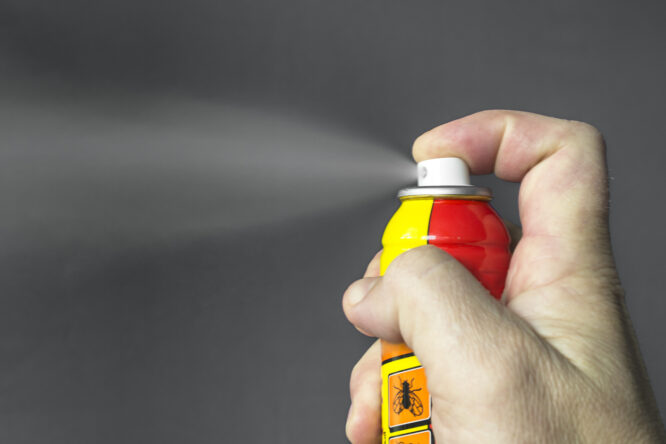
Research over the years has slowly chipped away at the DEET mystery. One important study showed that DEET blocks the sensory cells mosquitoes use to detect human odours. In simple terms, it doesn’t push them away so much as confuse them, making it harder for them to find you.
A later study found something even more interesting, that a small number of mosquitoes are naturally less affected by DEET, and that this trait can be passed down to their offspring. There were also hints that mosquitoes exposed to DEET could become a bit less sensitive to it within a few hours, suggesting they can temporarily get used to the chemical.
The new finding has raised eyebrows.

The latest study has pushed the science further, and the results are a little uncomfortable. Researchers wanted to see whether mosquitoes could actually be trained to react to DEET differently, in much the same way Pavlov’s famous dogs were trained to associate a bell with food.
They built tiny test rigs with mosquitoes in small cages, and used a warm bag of blood as a feeding target. By tracking the movement of the mosquitoes’ mouthparts, they could measure how keen each one was to bite.
Training mosquitoes like a circus act is actually possible.

The team then ran a clever experiment. Different groups of mosquitoes were put through different training programmes, with various combinations of heat, a quick puff of DEET in the air, and a brief chance to feed. The most striking result came from the group that was exposed to DEET while they were already feeding on blood.
Afterwards, when they smelled DEET again, those mosquitoes were much more likely to try to bite than before. In other words, instead of being repelled by it, they appeared to have learned to associate it with a meal.
The hand test proved the point.

To check if the results held up outside a tiny cage, one of the researchers offered up her own hands. One was coated in DEET, the other was left clean. Among mosquitoes that hadn’t been through the special training, every single one avoided the DEET-covered hand and went for the clean one, exactly what you’d hope.
However, among the trained mosquitoes, around half ignored the warning and tried to bite the DEET hand anyway. That’s a striking change, and it suggests these insects can genuinely learn to override a repellent in the right conditions.
What this might mean in the real world

Before anyone throws out their bug spray in horror, it’s worth keeping a few things in mind. The study took place in carefully controlled lab conditions, with mosquitoes deliberately trained in a way that wouldn’t really happen in your back garden. Out in the real world, the dose of DEET you’ve slapped on is usually high enough to repel mosquitoes outright, not just confuse them.
The real concern is around low-strength repellents, or applications that have worn off, where the smell of DEET is still in the air but no longer strong enough to keep biters away. In those situations, the chemical might still be detectable but no longer doing its job.
How to use repellent properly

The practical takeaway is that how you use repellent matters as much as which one you buy. Apply it generously to any exposed skin, including the back of the neck, ears and ankles, which mozzies love. Don’t be stingy because a thin smear won’t give you the full protection time the bottle promises. Top it up every few hours, especially if you’ve been sweating, swimming or rubbing against clothes.
Spraying it on clothes as well as skin can add another layer of defence, since some mosquitoes will try to bite through thin fabric. And combine it with other tricks where you can, like wearing long sleeves at dusk or sleeping under a net in mosquito-heavy parts of the world.
The science still backs DEET.

Despite the new findings, the scientists are absolutely not saying you should stop using DEET. It remains one of the most effective repellents ever developed, and the diseases mosquitoes spread are far more dangerous than any theoretical training effect.
What the study really does is fill in a missing piece of the puzzle about how DEET works. It shows that mosquitoes don’t just have a chemical reaction to the stuff, they may also have a behavioural one, which opens up new ways to improve repellents in the future. Better understanding now could mean even better protection in the years to come.
The clever insects we underestimate
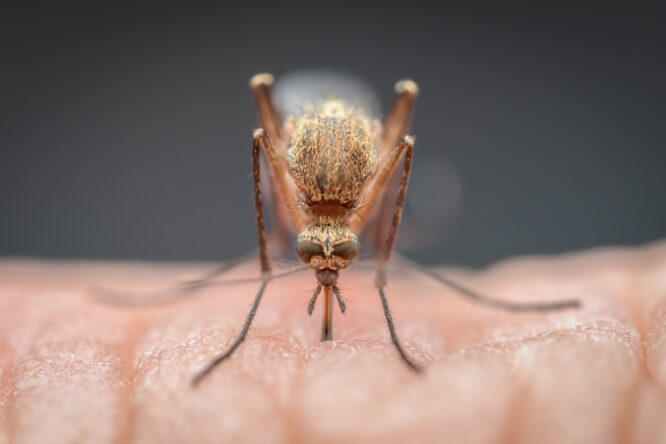
It’s easy to think of mosquitoes as mindless little nuisances, buzzing about until something warm-blooded wanders past. But research keeps showing they’re capable of learning, remembering and changing their behaviour based on what works. That’s a humbling thought, and a useful one.
The more we treat them as the smart, adaptable creatures they are, the better job we can do of staying one step ahead. For now, the best advice is the simple stuff. Use a decent repellent properly, cover up where you can, and don’t give them the chance to learn anything new about you.