Car theft is no longer just about entire vehicles disappearing overnight.
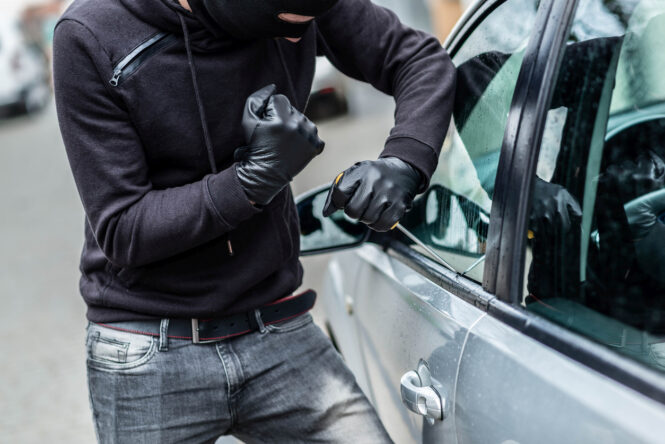
Across the UK, organised gangs are increasingly targeting expensive car parts instead, stripping vehicles for valuable components that can be sold quickly online or shipped abroad. Police say the problem has grown sharply in recent years as repair costs rise and shortages make replacement parts more valuable than ever. In many cases, thieves can remove parts in minutes, leaving owners with huge repair bills and long insurance battles afterwards.
Catalytic converters are still one of the biggest targets.
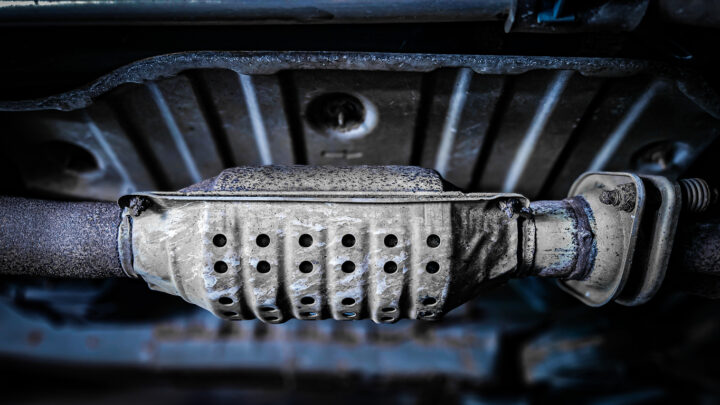
Catalytic converter theft exploded across the UK over the past few years because the parts contain valuable metals including platinum, palladium, and rhodium. Criminals can remove them surprisingly quickly using basic tools, especially from higher vehicles like SUVs and vans.
Hybrid cars are often targeted more heavily because their catalytic converters can contain higher concentrations of precious metals. Many drivers only realise they’ve been targeted when they start the engine and suddenly hear an extremely loud exhaust noise.
Car headlights are becoming incredibly valuable to thieves.
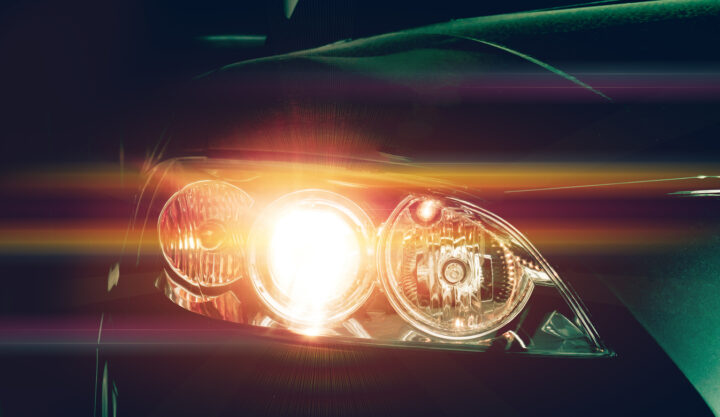
Modern headlights are far more advanced than many people realise, especially on newer premium vehicles. LED and laser headlight systems can cost thousands of pounds to replace, making them highly attractive to organised theft gangs.
Some thieves can remove entire headlight units within minutes without even stealing the car itself. Luxury brands including BMW, Mercedes, Audi, and Porsche have all been repeatedly targeted because replacement parts are expensive and easy to resell.
Steering wheels are being stolen from modern cars.

High-end steering wheels, especially those containing airbags, electronic controls, and heating systems, have become another major target. In some cases, thieves smash side windows purely to remove the wheel and disappear within minutes.
Sports models and luxury cars are particularly vulnerable because upgraded steering wheels can sell for huge amounts online. Owners are often left shocked at how much damage can be caused for one single part.
Touchscreens and infotainment systems are heavily targeted.

Modern cars now contain expensive built-in technology systems that are worth significant money on the black market. Touchscreens, sat-nav systems, digital dashboards, and entertainment units are increasingly being stripped from parked vehicles.
Some theft gangs specifically target newer models because the parts can be reused in similar cars or sold online to people trying to avoid dealership repair prices. In some cases, thieves cause thousands of pounds worth of damage just accessing the electronics.
Alloy wheels are still a common theft target.
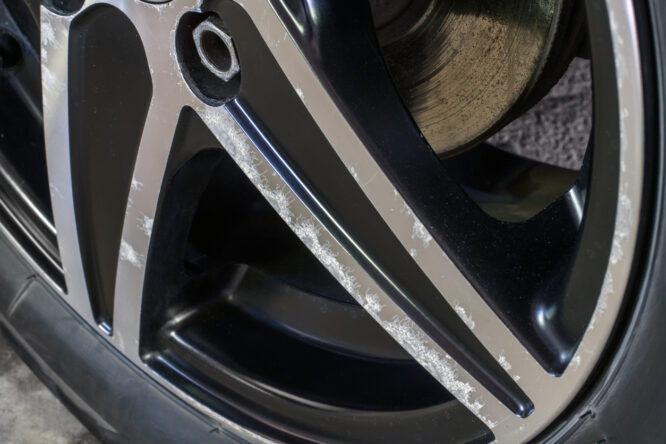
Alloy wheel theft has never really disappeared, especially for premium brands with expensive custom designs. Criminals can lift cars quickly using jacks, remove the wheels, and leave the vehicle sitting on blocks within a short space of time.
Performance wheels and larger alloys are especially valuable because replacements can cost huge amounts through dealerships. Some owners only discover the theft when leaving for work in the morning and finding their car half collapsed overnight.
Wing mirrors are surprisingly expensive now.

Modern wing mirrors often include cameras, sensors, heating systems, automatic folding technology, and blind-spot detection equipment. That means replacing one damaged mirror can cost far more than people expect.
Luxury cars are particularly vulnerable because these mirrors can be removed fairly quickly and resold online. Some drivers have reported repeated theft attempts, even after replacing stolen mirrors once already.
Number plates are often stolen for criminal activity.

Number plate theft might sound less dramatic than stolen car parts, but it can create huge problems for drivers afterwards. Criminals often steal plates to use on cloned vehicles involved in speeding, fuel theft, robberies, or other offences.
Victims sometimes only realise something is wrong after receiving unexpected fines or police letters connected to crimes they had nothing to do with. Replacing the plates themselves is usually simple, but untangling the aftermath can take much longer.
Keyless entry systems have created new problems.
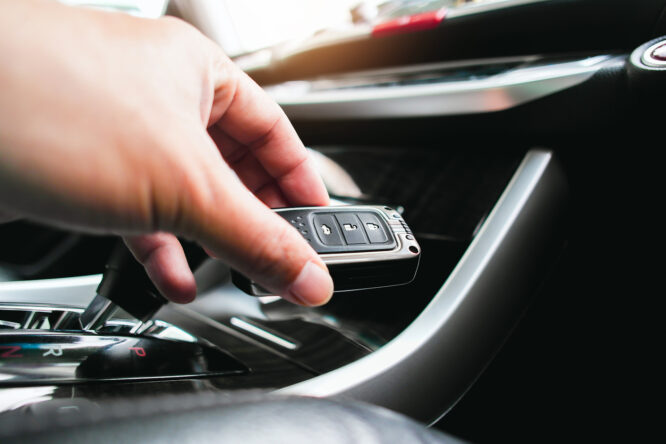
While not technically a stolen car part itself, keyless entry technology has opened the door to a huge rise in relay thefts. Criminals use electronic devices to copy signals from car keys inside homes, allowing them to unlock and steal vehicles silently.
Police have repeatedly warned drivers to store keys away from doors and ideally inside signal-blocking pouches. Some gangs specifically target higher-end cars they know are likely to use keyless systems.
Repair costs are helping fuel the black market.

One major reason these thefts are increasing is because replacement car parts have become so expensive. Supply chain problems, higher manufacturing costs, and longer repair delays have all helped create a booming black market for stolen components.
Drivers desperate to avoid dealership prices sometimes buy parts online without fully checking where they originally came from. That demand helps keep organised theft operations highly profitable across the UK.
Simple security steps can still make a difference.

Experts say visible deterrents still matter more than many people think. Parking in well-lit areas, using steering locks, installing cameras, fitting catalytic converter shields, and keeping vehicles inside garages where possible can all reduce risk.
No security method is completely foolproof, especially against organised gangs, but thieves usually prefer easier targets that can be stripped quickly without attracting attention. Even small extra obstacles can sometimes persuade criminals to move on to another vehicle instead.