Finding a sudden trail of ants marching across your kitchen worktop or overtaking your patio is an incredibly frustrating sight, especially as summer gets into full swing.
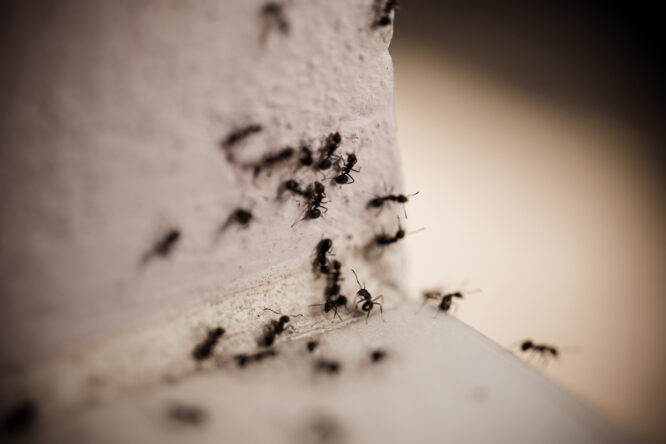
It’s tempting to grab the nearest chemical spray and blast the visible invaders, but dealing with an infestation involves far more than just tackling the insects you can see. These resilient pests are experts at finding the tiniest structural gaps to access food, and a temporary fix will simply leave you facing the exact same problem a few days later.
To reclaim your living space and garden, you need a coordinated approach that targets the root of the issue and disrupts their navigation tactics for good. Combining a few clever preventative steps with targeted, practical remedies is the best way to clear out the colony and keep your home entirely ant-free.
Why ants keep coming back

Ants are incredibly social little creatures. When one finds its way into your home, it leaves behind a scent trail for the rest of the colony to follow, which is why you’ll often see one or two scout ants wandering around before suddenly the whole army turns up. They’re not coming inside for fun. They’re hunting for food, water or somewhere safe to set up shop.
The good news is that getting rid of them doesn’t have to mean reaching for the strongest insecticide you can find. Most ant problems can be tackled with everyday items already sitting in your kitchen cupboard. The trick is being patient and consistent because dealing with one trail of ants is only half the job. You also need to make your home less appealing to them in the first place; otherwise, they’ll just keep coming back.
The kitchen cupboard items that work like magic

Some of the best ant deterrents are things you’ve probably already got at home. Citrus peels are a great place to start. Ants absolutely hate the smell of orange, lemon and grapefruit, so save your peels and scatter them around entry points like doorways and window sills. They look nicer than chemical sprays, too, which is a small bonus.
Coffee grounds work brilliantly as well. Sprinkle them in a line where ants are getting in, and they won’t fancy walking over them. Cinnamon is another good one, since the strong smell completely throws ants off their scent trail. Black pepper or cayenne pepper does the same job. You can either sprinkle them dry or mix them with water in a spray bottle to make your own simple homemade spray. None of these methods actually kill the ants, they just make your home so unappealing that the ants decide to look elsewhere.
The power of strong-smelling oils
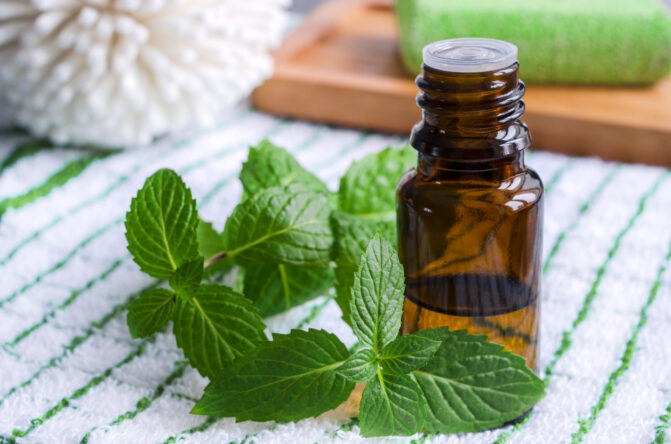
Peppermint oil and tea tree oil are two of the most effective natural ant deterrents around. Soak a few cotton wool pads in peppermint oil and tuck them in the corners where you’ve spotted ants, particularly near bins, bathroom doors, garden doors and compost bins. The smell drives ants mad, and they’ll quickly start avoiding the area.
For tea tree oil, mix around 10 drops into a large spray bottle of water and use it to wipe down any surfaces where ants have been crawling. You can also soak tissues or cotton wool in the mixture and leave them in hotspots. Both oils have the added benefit of smelling lovely to humans, so your kitchen ends up feeling fresher rather than full of chemical fumes. Just be careful if you have pets, since some essential oils can be unsafe for cats and dogs in large amounts.
The vinegar trick everyone should know
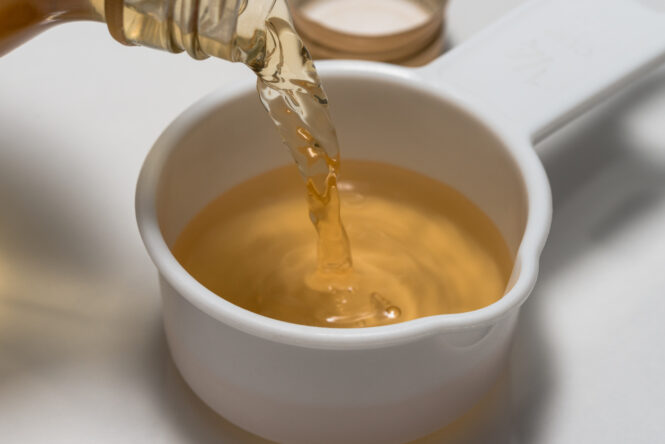
Vinegar is probably the most underrated weapon in the war on ants. The next time you mop your floors, add a generous splash of white vinegar to your bucket. Ants can’t stand the smell, but more importantly, vinegar actually destroys the invisible scent trail they leave behind for their friends. Once that trail is wiped out, the ants get lost and stop turning up in the same spots.
You can also use diluted vinegar to wipe down kitchen surfaces, doorknobs, window sills and any other ant hotspots. It works as a cleaner too, so you’re killing two birds with one stone. A spray bottle of half vinegar, half water is genuinely one of the cheapest and most effective cleaning products you can have around the house. Add a few drops of lemon essential oil if the vinegar smell is too strong for you.
A bit of garden chalk and some quick fixes

This one sounds a bit silly, but it actually works. Drawing a line of chalk across the path of an ant trail genuinely stops them in their tracks because it disrupts the chemical scent they follow. It’s only a temporary fix, particularly outdoors where the rain will wash it away, but for blocking off a doorway or window sill while you sort out a longer-term solution it does the job nicely.
Another quick fix is using regular cleaning sprays. Glass cleaner or a bit of diluted washing-up liquid sprayed over the area where ants are gathering wipes out their scent trail and stops new ants from following. Don’t bother spraying the ants themselves, since that doesn’t solve the underlying problem. The aim is to scrub away the invisible signposts they leave behind for the rest of the colony.
Check your houseplants and food storage

One spot people forget to check is their houseplants. Ants love to make nests in the warm, moist soil around indoor plants, so if you’ve got an ongoing ant problem inside the house, have a careful look at your pots. If you spot any tiny holes in the soil or ants coming and going, that could well be where they’re living. Sprinkling coffee grounds or citrus peels on top of the soil will usually persuade them to move on.
The bigger picture though is to stop leaving food out. Ants are basically tiny food detectives with an incredible sense of smell, and anything sweet is their absolute favourite. Sticky drink rings, leftover crumbs, fruit bowls and even pet food bowls all act like neon signs to passing ants. Wipe surfaces down after meals, sweep the floor regularly, and store all food in sealed containers. Pay particular attention to anywhere sugary spills might have dried up unnoticed.
How to keep them out of your garden
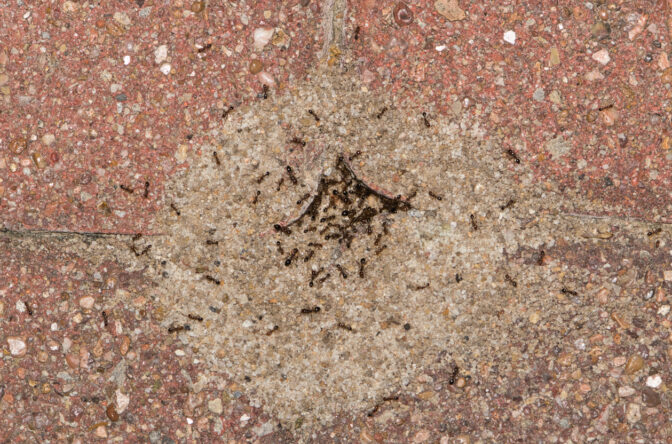
If you’ve got ants outdoors, start by walking around the outside of your house and looking for any nests along the walls. Ants nesting right next to your home are much more likely to wander inside, so finding and dealing with these is a good first step. The same natural deterrents that work indoors, like citrus peels and coffee grounds, can be used outside too.
Keep your compost heap as far from the house as possible. Compost is brilliant for the garden, but it’s also basically an all-you-can-eat ant buffet, so don’t put it right next to your back door. Empty your outdoor bins regularly and rinse them out if food juices start collecting at the bottom, since ants love standing water and food residue equally. Clear up any plant litter too, like piles of fallen leaves, grass cuttings or decaying logs because these make perfect nesting spots for new colonies.
When natural methods aren’t quite enough

If you’ve tried the natural options and the ants are still showing up in their hundreds, you might need to step up to something stronger. Ant powders and gels are widely available in supermarkets and DIY shops, and they can work brilliantly on a heavy infestation. Just read the instructions properly before using anything, since some products contain chemicals that can be harmful to children and pets if not used carefully.
For really serious problems, particularly if you think there’s a large nest under your house or in a wall cavity, a professional pest controller is worth the money. They can identify the species, find the source, and treat it properly in one go. For most households though, a combination of good cleaning habits, a few cotton wool pads soaked in peppermint oil, and a vinegar spray will keep the ant population firmly outside where it belongs. Patience and persistence are the real key, since dealing with ants is much more about prevention than panic.