There aren’t a lot of true geniuses in the world, and some knowledge makes that abundantly clear.

Most people fly through the first few questions in a general knowledge quiz feeling pretty confident, right up until they suddenly forget basic geometry, ancient history, or what the study of flags is actually called. This one jumps all over the place, from philosophy to science to music to geography, and some of the answers are much harder than they look at first glance. If you can score above 22 out of 27 without cheating, your brain’s probably in decent shape.
1. Which sovereign state has a non-quadrilateral flag?
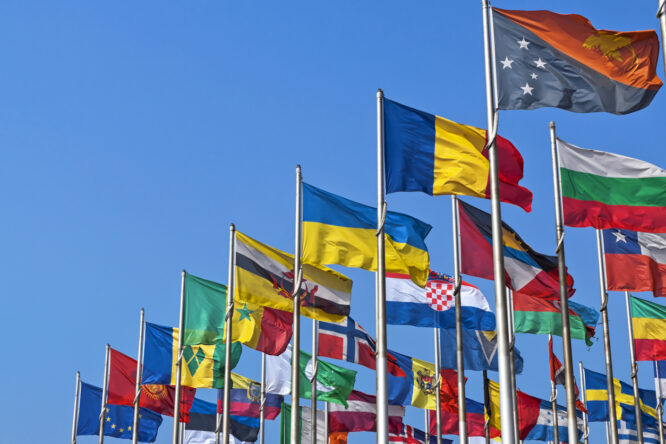
A. Switzerland
B. Nepal
C. Vatican City
D. Indonesia
2. Who wrote Clair de Lune?
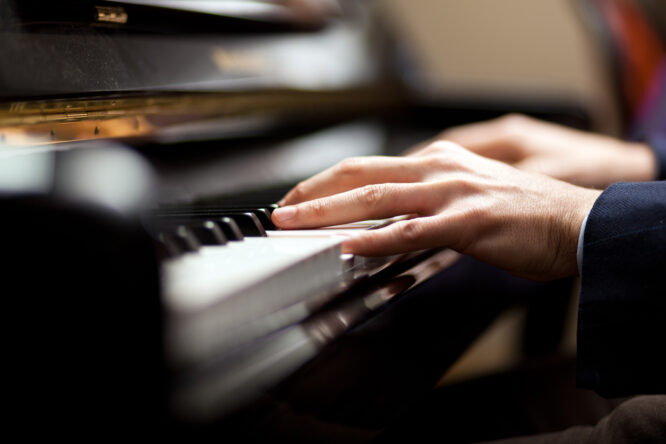
A. Johann Sebastian Bach
B. Claude Debussy
C. Ludwig van Beethoven
D. Tchaikovsky
3. What is the world’s largest landlocked country?
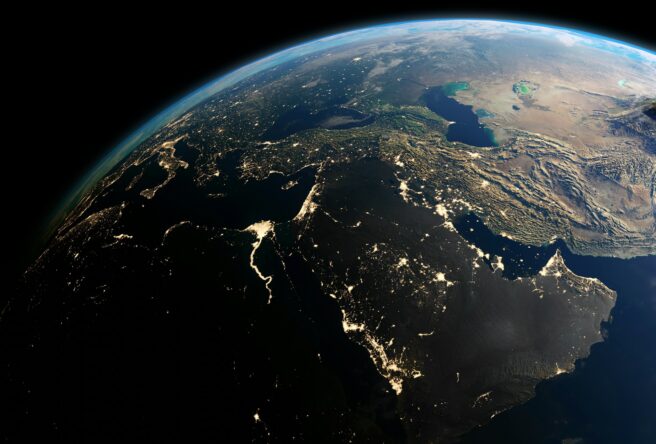
A. Mongolia
B. Vatican City
C. Kyrgyzstan
D. Kazakhstan
4. Which literary technique captures a character’s continuous internal thoughts?
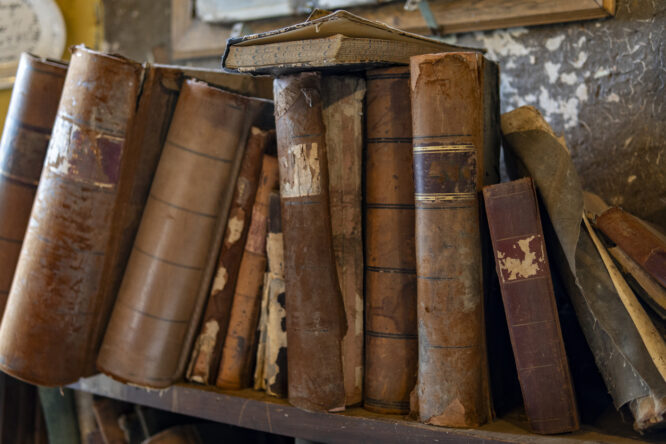
A. Magical realism
B. Omniscient narration
C. Stream of consciousness
D. Foreshadowing
5. What is the sum of the exterior angles of any convex polygon?
A. 180°
B. 360°
C. 540°
D. 175°
6. Who was the last active ruler of the Ptolemaic Kingdom of Egypt?
A. Arsinoe II
B. Nefertiti
C. Cleopatra VII
D. Hatshepsut
7. What is the speed of light in a vacuum?
A. 300,000 km/s
B. 300,000 m/s
C. 3,000 km/s
D. 3,000 m/s
8. What is a 20-sided polygon called?

A. Dodecagon
B. Icosahedron
C. Icosagon
D. Decahedron
9. Which philosopher is famous for the allegory of the cave?
A. Aristotle
B. Plato
C. Socrates
D. Diogenes
10. Which seas does the Suez Canal connect?
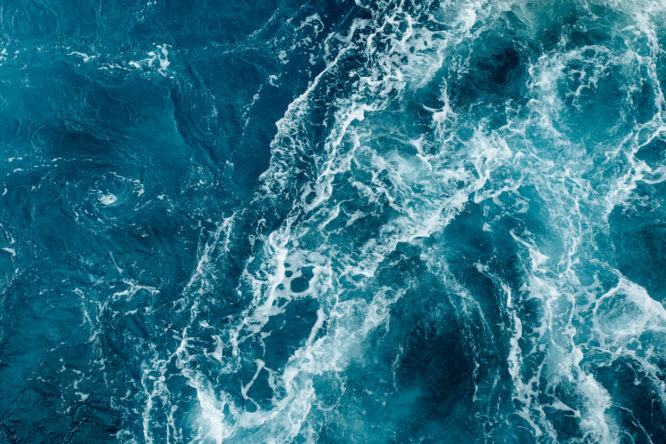
A. The Mediterranean Sea and the Red Sea
B. The Arabian Sea and the Persian Gulf
C. The Mediterranean Sea and the Aegean Sea
D. The Black Sea and the Caspian Sea
11. Which musical term means played at a walking pace?

A. Adagio
B. Grave
C. Andante
D. Lento
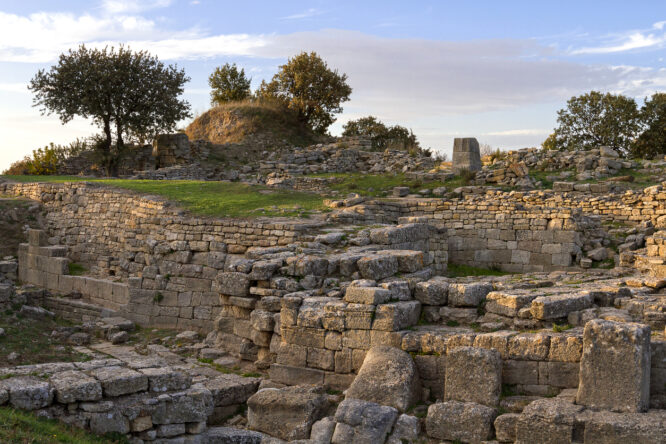
12. In which modern-day country can you find the ancient city of Troy?
A. Greece
B. Albania
C. Italy
D. Turkey
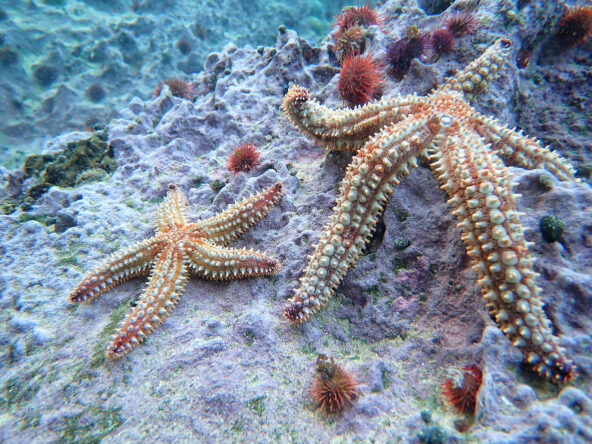
13. What is the circular symmetry found in starfish called?
A. Bilateral symmetry
B. Radial symmetry
C. Spiral symmetry
D. Asymmetrical symmetry
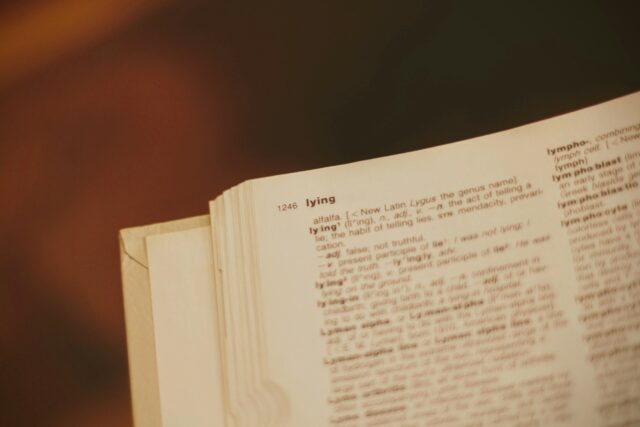
14. What is the difference between an anagram and an acronym?
A. An acronym rearranges letters while an anagram uses initials
B. One is mathematical and one is literary
C. An anagram rearranges letters while an acronym uses initials
D. They are the same thing
15. Which chemical element is named wolfram in many languages?

A. Molybdenum
B. Titanium
C. Tungsten
D. Osmium
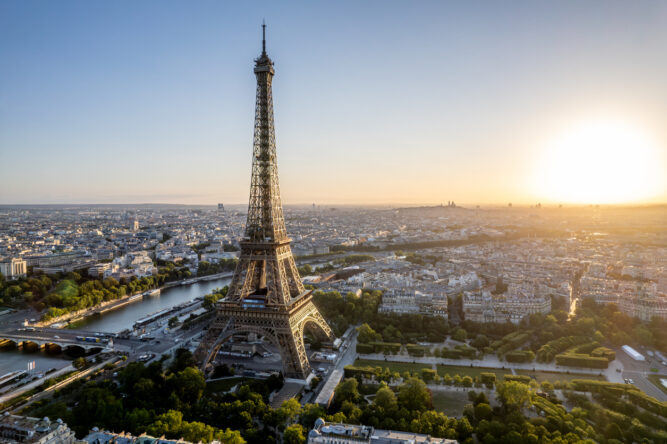
16. Why did the French revolution begin?
A. The assassination of King Louis XVI
B. France losing the Napoleonic Wars
C. Foreign mercenaries invading the Bastille
D. Social inequality, financial crisis, and food shortages
17. Which vowel appears on the home row of a standard QWERTY keyboard?

A. E
B. I
C. U
D. A
18. What is the term for a 100th anniversary?

A. Decennial
B. Centennial
C. Quadranscentennial
D. Golden jubilee
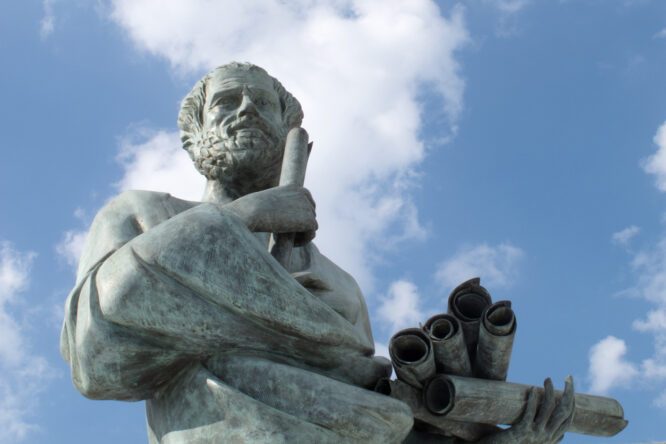
19. Which philosophy emphasises logic, self-control, and detachment from emotion?
A. Nihilism
B. Existentialism
C. Stoicism
D. Epicureanism
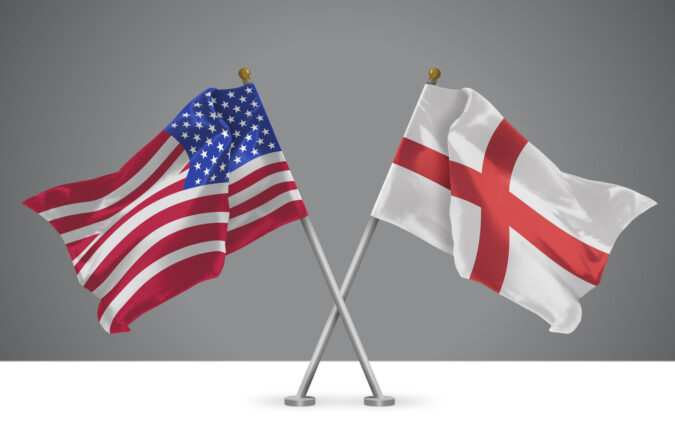
20. What is the study of flags called?
A. Heraldry
B. Vexillology
C. Philately
D. Cartography
21. Which layer of the earth exists entirely in liquid form?
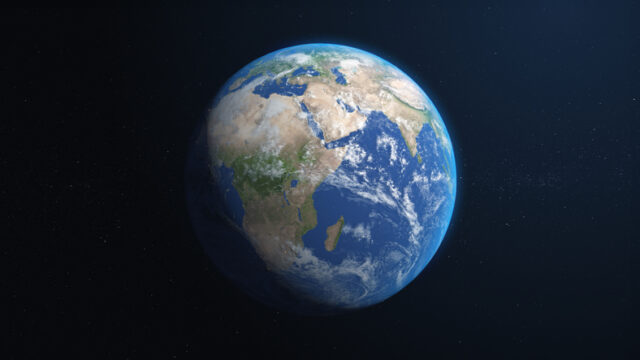
A. The outer core
B. The inner core
C. The asthenosphere
D. The mantle
22. In maths, what is a line called that touches a curve at one point without crossing it?
A. Diameter
B. Tangent
C. Asymptote
D. Secant
23. What best describes the Enlightenment period?
A. A Victorian-era industrial science movement
B. An 18th-century intellectual movement focused on reason and individualism
C. A religious reform movement in the 16th century
D. A 14th-century artistic movement inspired by Ancient Greece and Rome
24. Who is known as the Bard of Avon?
A. Leo Tolstoy
B. James Joyce
C. William Shakespeare
D. Charles Dickens
25. What was the first official Eastern capital of the Roman Empire?
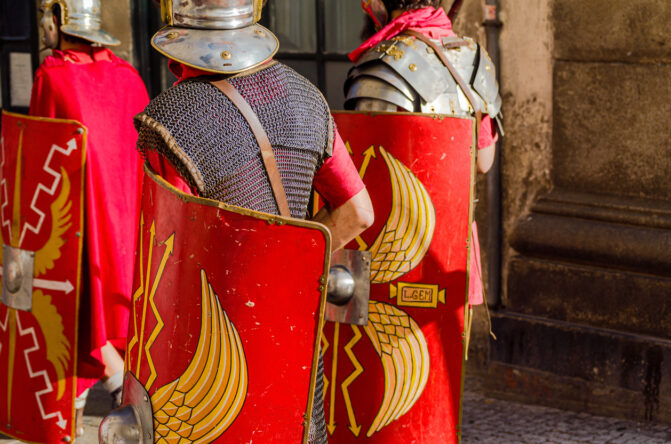
A. Constantinople
B. Ravenna
C. Alexandria
D. Nicomedia
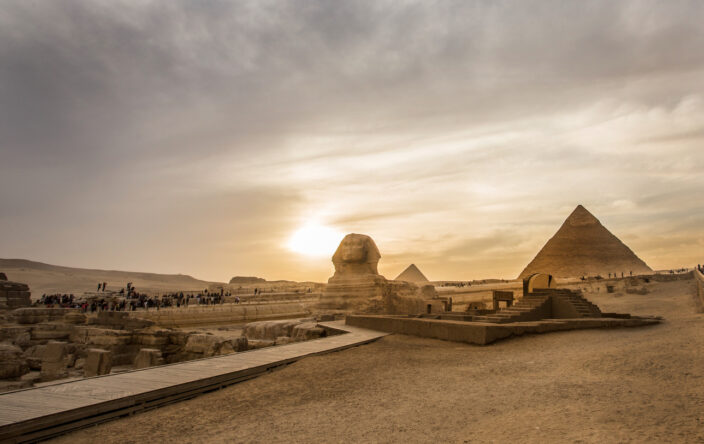
26. Who discovered Tutankhamun’s Tomb in 1922?
A. Arthur Evans
B. James Cook
C. Howard Carter
D. Sir Francis Drake
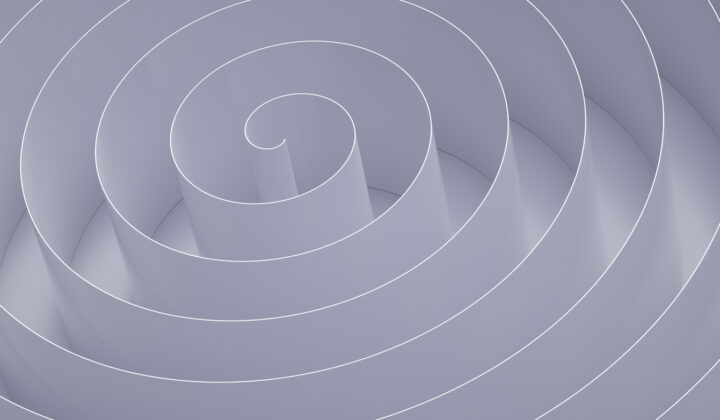
27. What is the Golden Ratio?
A. A mathematical pattern used only in music theory
B. The ratio used to calculate gravity
C. The mathematical constant of approximately 3.14159 representing circles
D. The mathematical constant of approximately 1.618 that appears in nature and art
Answers 1–14

1. B — Nepal
2. B — Claude Debussy
3. D — Kazakhstan
4. C — Stream of consciousness
5. B — 360°
6. C — Cleopatra VII
7. A — 300,000 km/s
8. C — Icosagon
9. B — Plato
10. A — The Mediterranean Sea and the Red Sea
11. C — Andante
12. D — Turkey
13. B — Radial symmetry
14. C — An anagram is a rearrangement of letters; an acronym is formed from initials
Answers 15–27
15. C — Tungsten
16. D — Social inequality, financial crisis, and food shortages
17. D — A
18. B — Centennial
19. C — Stoicism
20. B — Vexillology
21. A — The outer core
22. B — Tangent
23. B — An 18th-century intellectual movement focused on reason and individualism
24. C — William Shakespeare
25. D — Nicomedia
26. C — Howard Carter
27. D — The mathematical constant of approximately 1.618 that appears in nature and art