The blue badge scheme has always been associated with physical disabilities, but the criteria for who can get one has been opening up.
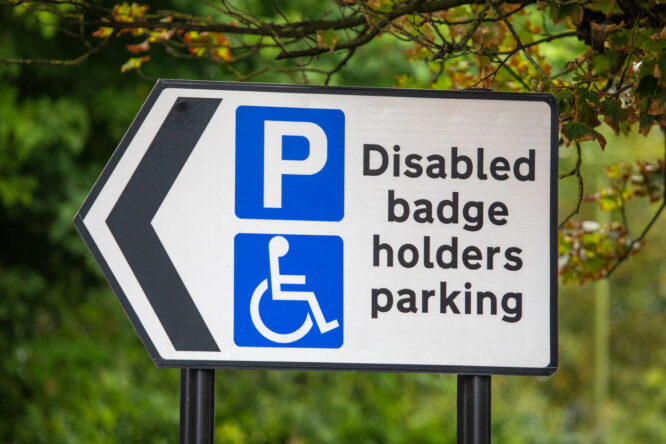
More people with ADHD across the UK are successfully securing these parking permits to help manage the hidden challenges of the condition. It’s a change that’s triggering plenty of conversation about what accessibility actually means in 2026.
While the decision provides a massive lifeline for families dealing with daily chaos, it also highlights how much our understanding of neurodiversity is moving forward. Here’s a bit more about why these applications are being approved and what the change means for drivers across the country.
What blue badges are and why they exist
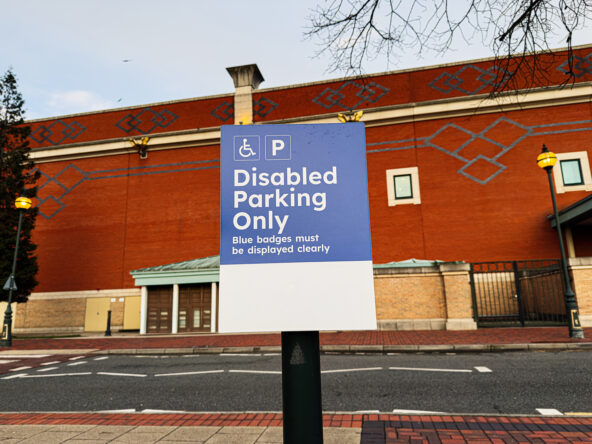
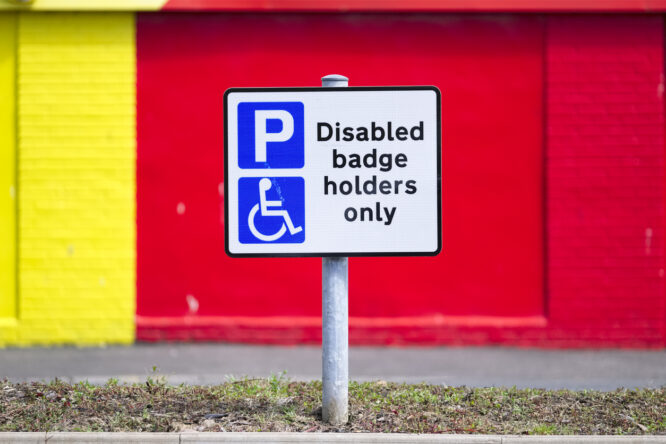
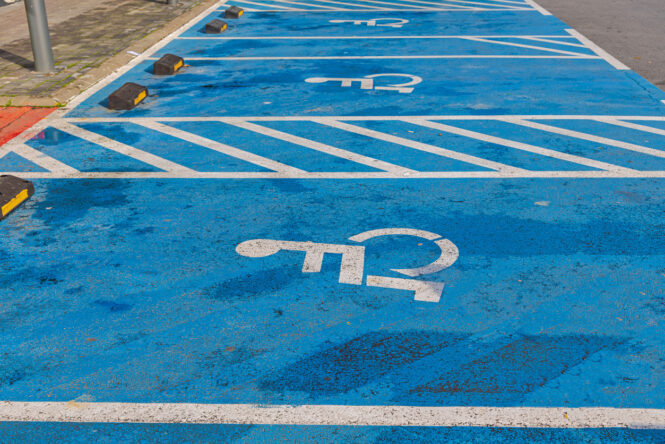
A blue badge is a special little permit that lets disabled people park their car in places where most drivers can’t. You can park much closer to shops, hospitals and other places you need to visit. You’re also allowed to park on double yellow lines for up to three hours, and you can usually get out of paying congestion charges and certain road tolls too.
The whole point of the scheme is to help people who genuinely struggle to walk far. For somebody in a wheelchair or with serious mobility issues, being able to park near the entrance of a building is genuinely life-changing. It’s not just about convenience, it’s about being able to live a normal life when getting from A to B is really difficult. Around 1 in 20 people in England now holds a blue badge, which adds up to over three million people across the country.
The rule change in 2019 opened things up.
Back in 2019, the rules around blue badges were changed to include what are called “hidden disabilities.” Until then, the scheme was mainly for people with visible physical conditions. The change was brought in to help people with conditions like dementia, Parkinson’s, and severe arthritis, where the difficulty isn’t always obvious from the outside.
It was widely seen as a positive move, since plenty of people do have conditions that affect their daily life without being visible to a stranger glancing in their direction. The trouble is, the rules also opened the door for people with mental health conditions, autism, ADHD, and anxiety to apply for badges. That’s where the recent debate has really kicked off because applications from this group have absolutely shot up.
The numbers tell quite a story.

Back in 2021, around 18,000 blue badges were issued for hidden disabilities each year. By 2025, that figure had risen to 55,000. So we’re talking about roughly three times as many badges being handed out for non-visible conditions in just a few years. It’s a steep jump by anyone’s measure, and it’s caught the attention of campaigners, councils, and disability groups across the country.
Some of this rise is probably down to more people simply knowing they can apply. But experts are worried that part of the reason is also that the system is being taken advantage of, with people applying for badges when their condition doesn’t really affect their ability to walk or move around. That’s where the line between proper support and abuse of the system starts to blur.
Social media is making things worse.

Part of the reason this story has blown up is that videos have been spreading on TikTok and other platforms showing people coaching their followers on how to apply for blue badges, particularly for ADHD or anxiety. Some of these videos specifically encourage parents of anxious or autistic children to apply, pointing out all the perks that come with a badge.
In one video, a woman with ADHD explained she’d applied for a badge “on a whim” and had been delighted when it was approved, calling it a life-saver because parking stresses her out, especially at weekends or in busy places. After getting some pushback from critics, she posted a second video defending herself, saying her hour-and-a-half commute mentally drains her and the badge has eliminated the stress of finding parking. She then promised to put together a guide with tips and tricks on how to make a successful application.
Why experts are worried about the trend
Dr Becky Spelman, a psychologist who works at the Private Therapy Clinic, has spoken out about the issue. Interestingly, she too has ADHD. The psychologist said that while she understands the genuine difficulties that come with the condition, she would never personally apply for a blue badge. To do so, she said, would feel like an abuse of a system designed for people with more profound or life-altering mobility limitations.
Their concern is that handing out blue badges to people who don’t really need help with mobility crosses the line between accommodating certain groups and giving them an unfair advantage. There’s been a wider discussion in recent years about whether hidden disability schemes are being exploited, including by people with self-diagnosed conditions skipping airport queues or jumping the line for roller coasters at theme parks.
What the official rules actually say

To qualify for a blue badge under the current rules, you either need a severe physical disability that makes walking very difficult, or a non-visible disability that truly affects your ability to get around. The crucial point is that the badge isn’t based on having a diagnosis alone. It’s supposed to be based on how that condition actually affects your ability to walk or travel safely.
Councils usually ask for some evidence, like a doctor’s note, a list of your medications, or a confirmed diagnosis. They then assess each application on its own merits. The Department for Transport has been quick to point out that an ADHD diagnosis on its own doesn’t automatically mean you’ll be approved. It depends on how the condition impacts your daily mobility. Approval rates also vary quite a bit from one council to another, which has added to the confusion.
The wider picture of ADHD and overdiagnosis
The blue badge debate is happening at the same time as a much bigger conversation about whether ADHD is being overdiagnosed. An NHS report into mental health last year found that more people than ever think they have ADHD. One in 20 adults said they suspected they had the condition, but only 1.8% had actually been diagnosed by a professional.
This gap between people who suspect they have ADHD and those formally diagnosed has fuelled concerns that some of the increase in blue badge applications might be linked to self-diagnosis rather than confirmed medical cases. Some people genuinely do have severe ADHD that affects their lives in major ways. Others might be claiming the label without the proper diagnosis or impact to back it up.
What councils can actually do about it
Councils have powers to inspect, cancel and even take back blue badges if they find they’ve been issued wrongly or are being misused. Using someone else’s blue badge fraudulently is actually a criminal offence, and there are fines and prosecutions every year for people caught doing it. The Local Government Association has pointed out that the vast majority of badges are used correctly, but there’s always a small minority who abuse the system.
The challenge for councils is that they have limited resources to chase up every dodgy badge, and they have to balance enforcement against all the other things they need to spend their budgets on. Some councils have introduced stricter checks at the application stage, while others rely more on tip-offs from the public to investigate misuse after the fact.
What happens next
The government has already announced an overhaul of the special educational needs and disabilities system following a sharp rise in costs for support services, including free taxis for some children with mental health conditions to get to school. The blue badge scheme could be next in line for a review if concerns about misuse keep growing.
For now, the official position is that blue badges remain a vital lifeline for people who genuinely need them, and the focus is on making sure they end up in the hands of those who really benefit. But with applications still climbing and the public debate getting louder, expect to hear a lot more about this issue in the coming year. Where exactly the line should be drawn between hidden disability and abuse of a generous system is the question that nobody has quite answered yet.