We all know someone whose kitchen looks like it belongs in a glossy interior magazine, even in the middle of a chaotic working week.

You automatically assume they must spend hours scrubbing on their hands and knees, or that they simply never cook a proper meal at home. However, the reality is much simpler than that, and it doesn’t involve a daily deep-clean.
The secret to keeping a cooking space looking constantly pristine comes down to a few clever, low-effort routines tucked into their weekly schedule. By tackling specific, high-traffic hotspots before the grime even has a chance to build up, they manage to stay entirely ahead of the mess without ever feeling like they are doing a massive chore.
The importance of a clean kitchen can’t be overstated.

The kitchen is where we prepare food, so keeping it clean isn’t just about it looking nice. It’s about stopping germs and bacteria from spreading onto the things we eat. A poll found that loads of Brits aren’t keen on cleaning the kitchen, with around 40% saying they dislike it, while a smaller group actually quite enjoy it. Whether you love it or loathe it, though, it’s a job that’s much easier when you stay on top of it.
Some kitchen jobs need doing every single day, like washing up, wiping down surfaces and giving the sink a clean. These quick tasks get rid of grease, grime, and bacteria before they have a chance to build up. Taking out the bin and mopping the floors every few days also helps keep smells and dirt at bay. However, there are a few weekly jobs that people often forget, and according to cleaning experts, these are the ones that really keep a kitchen properly hygienic.
1. Replace your kitchen sponge.
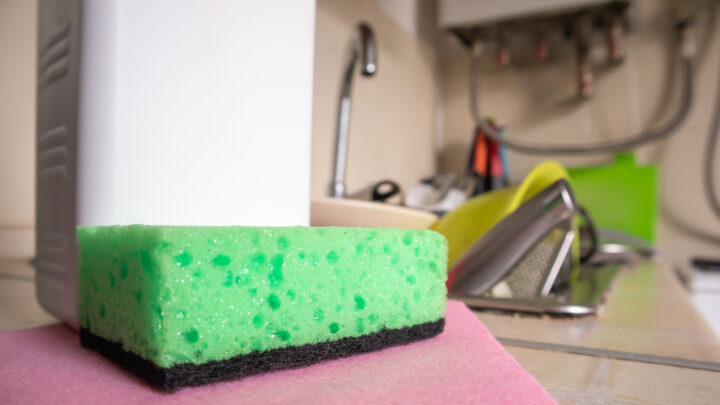
This one surprises a lot of people, but your kitchen sponge needs replacing far more often than you might think. The problem is that sponges are warm, damp, and full of little food bits, which makes them the perfect cosy home for bacteria to grow. Even one that looks clean can be crawling with germs.
Cleaning experts recommend swapping your sponge for a fresh one every single week. Even if you wash it daily, it should still be replaced weekly to keep things hygienic. A great way to clean it in between is to pop it on the top shelf of your dishwasher if it’s dishwasher-safe. If you don’t have a dishwasher, rinse it thoroughly after every use and leave it to dry properly. For a deeper clean, you can pop it in a bowl of clean water and microwave it for about 30 seconds, which blasts away a lot of the bacteria.
2. Clean your kitchen bin.
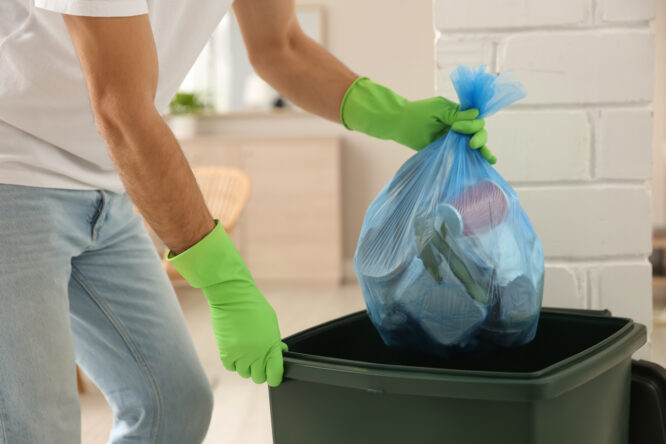
Your bin does a grim job, so it’s no surprise it needs regular attention. Bins should ideally be emptied every couple of days, or even daily in summer, when they’re more likely to smell and attract flies. However, emptying it isn’t quite enough on its own. Giving the bin itself a proper clean each week stops it turning into a really unpleasant job further down the line.
Use a disinfectant spray to wipe down the lid, including the bit underneath and around the rim where gunk loves to hide. Then clean both the outside and inside of the bin. Every time you change the bin bag, make sure you wipe away any of that horrible “bin juice” that collects at the bottom. A clever trick is to sprinkle a handful of coffee grounds into the bottom of a fresh bin bag, which helps mask any nasty whiffs. Bicarb works brilliantly, too, since it soaks up bad smells.
3. Clean your microwave.
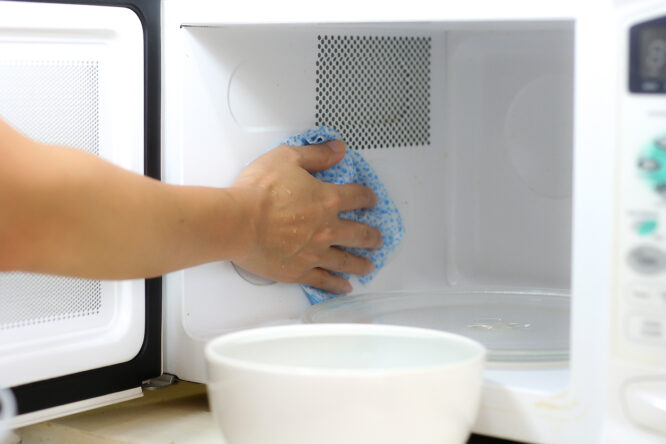
Microwaves get grubby surprisingly quickly. Every time you heat something up, little splatters of food and grease end up stuck to the inside walls and ceiling. Left alone, this builds up into a crusty, smelly mess that’s a pain to scrub off later. Thankfully, there’s a genuinely easy way to clean it.
Take a microwavable bowl, fill it halfway with water, and microwave it on full power for three minutes. The steam from the water loosens up all the stubborn grime stuck to the inside, so you can then just wipe it all away easily with a cloth. No scrubbing required. If your microwave has a glass turntable, you can usually pop that in the dishwasher, or just wash it in warm soapy water. Doing this once a week keeps your microwave fresh and grease-free.
The jobs you can leave a bit longer
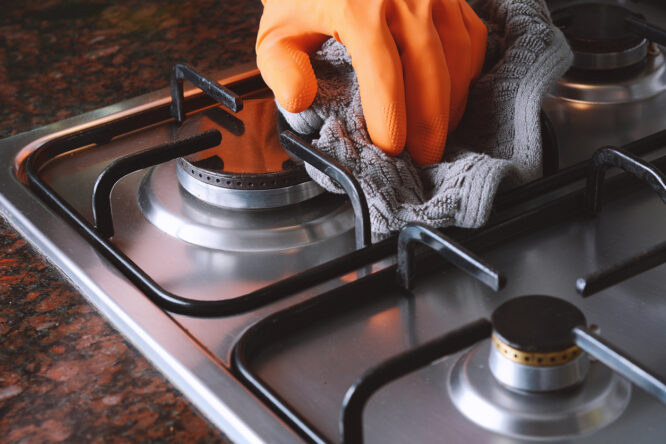
Now for the good news. Not every kitchen job needs doing weekly, and some of the most dreaded chores can be left for ages between cleans. A survey found that deep-cleaning the oven and fridge is one of the most hated spring cleaning jobs, along with washing curtains and cleaning windows. Luckily, these don’t need doing nearly as often as the daily and weekly tasks.
Deep-cleaning the fridge

You should wipe up any spills and crumbs in your fridge as they happen, and give the outside a regular wipe. But a proper deep clean only needs doing around every three months or so. Some people prefer to do it more often, which is fine, but you really don’t need to be emptying the whole thing out every week.
A deep clean means taking everything out, wiping down all the shelves and drawers, and giving the inside a proper scrub. This stops nasty smells building up and keeps bacteria from growing on old food residue. Most fridge manufacturers suggest doing this somewhere between every three and six months, so once a season is a good rule of thumb to follow.
Deep-cleaning the oven
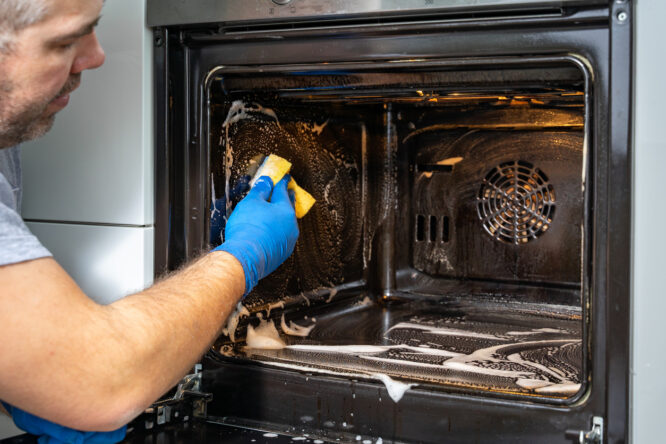
How often you need to deep-clean your oven really depends on how much you use it and what you cook. If you’re roasting greasy, fatty foods regularly, it’ll get dirty much faster than if you only use it now and then. The best habit is to wipe away any grease marks or spills as soon as they happen, while the oven has cooled down, so they don’t bake on and become impossible to get off.
For most people, a proper oven deep clean every three to six months is plenty. But if you use your oven a lot, some experts recommend doing it every one to two months to keep it in good shape. A clean oven not only looks better, it also works more efficiently and stops your kitchen filling with smoke every time you switch it on.