British food has a reputation for sticking to the same few classics, but there’s a whole range of dishes that have quietly disappeared over the years.
Now, home cooks across the UK are starting to bring some of them back, digging into old recipes and regional traditions that most people have either forgotten or never heard of in the first place. Some of these dishes might ring a bell, others probably won’t. That’s part of the point. They show a side of British food that’s much broader, and a bit stranger, than most people expect.
Bedfordshire clanger

This is one of the more unusual ones. It’s a long pastry that has a savoury filling at one end, usually meat and vegetables, and a sweet filling at the other, often fruit or jam. It was designed as an all-in-one meal for workers who needed something practical. Today, the mix of sweet and savoury in one dish feels odd, but it made perfect sense at the time.
Carrageen pudding
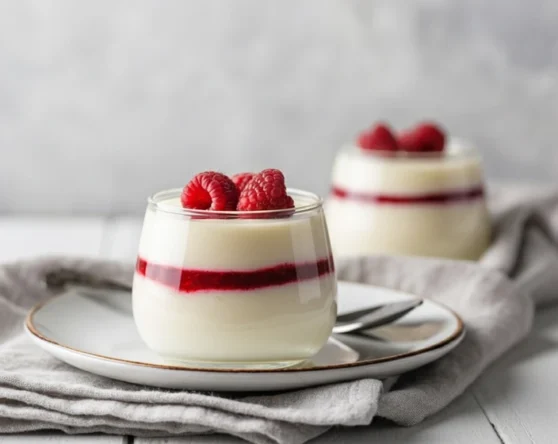
This dessert is made using carrageen moss, a type of seaweed found along parts of the UK coastline. It’s boiled to create a natural jelly, then often mixed with milk, sugar, or flavourings. It’s not something you’ll find in most supermarkets now, but it used to be a common homemade pudding in coastal areas, especially in Ireland and parts of Wales.
Pan haggerty
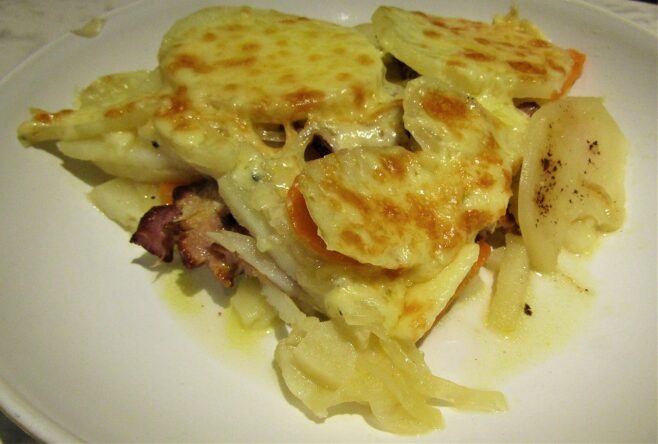
A much simpler dish, pan haggerty comes from the North East and is made from layers of sliced potatoes, onions, and cheese, cooked slowly until everything softens and crisps. It’s the kind of meal that’s built from basic ingredients, which is part of why it’s being rediscovered. It’s easy, filling, and doesn’t rely on anything complicated.
Laverbread
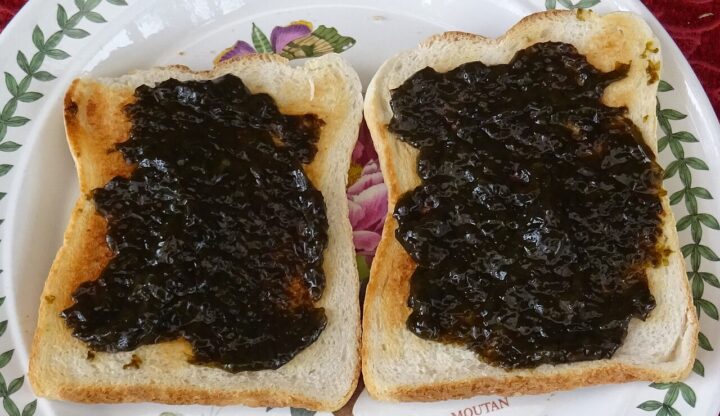
Laverbread is another seaweed-based dish, most closely linked to Wales. It’s made by cooking seaweed down into a thick paste and is often served with breakfast alongside bacon or cockles. The name makes it sound like bread, but it isn’t. It’s more of a traditional side dish that reflects how coastal communities used what was available to them.
Fidget pie
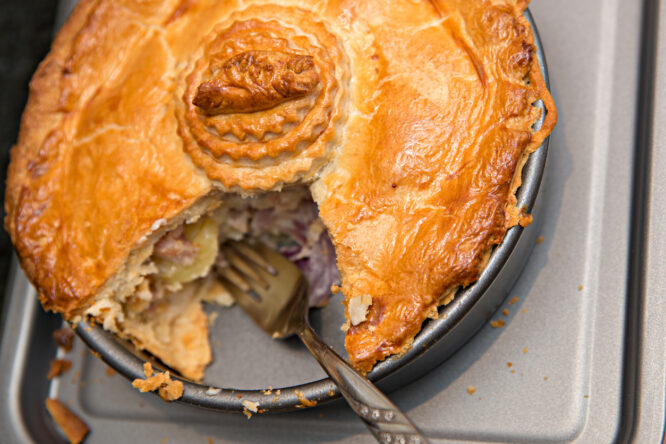
This is a lesser-known pie from the Midlands, filled with bacon, apples, onions, and potatoes. Like many older dishes, it mixes sweet and savoury flavours in a way that feels unusual now. It’s a good example of how earlier recipes weren’t as strict about separating flavours. Everything went into one dish, especially when ingredients were limited.
Scouse
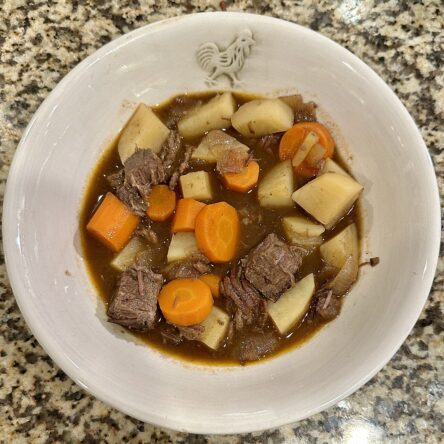
Scouse is a stew from Liverpool, traditionally made with meat, potatoes, and vegetables. It’s one of the better-known dishes on this list, but still not something many people cook at home regularly. It reflects the city’s history, with influences from sailors and trade. Like many stews, it was built to be filling and make the most of what was available.
Singin’ hinnies

These are a type of griddle cake from the North East, made with flour, butter, sugar, and currants. They’re cooked in a pan rather than baked in an oven. The name comes from the sound they make while cooking. They’re simple, slightly sweet, and somewhere between a scone and a pancake.
Pease pudding
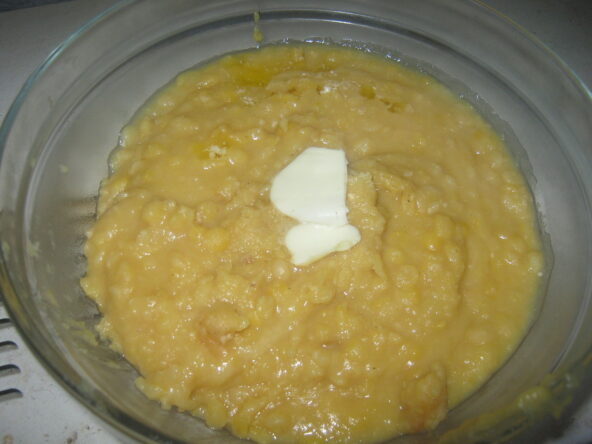
Pease pudding is made from split peas that are boiled down into a thick paste. It’s often served with ham or in sandwiches, especially in the North of England. It’s another example of a dish built from cheap, filling ingredients that were easy to store and cook, which made it a staple for many households.
Why so many of these dishes disappeared
Most of these recipes didn’t vanish because they were bad. They disappeared because life changed. Wartime rationing, supermarket shopping, and faster cooking habits all pushed older meals out of daily use. Once people had more choice and less time, dishes that felt unfamiliar or took longer to prepare were often the first to go. As time went on, they just stopped being passed down.
Why people are starting to cook them again
What’s bringing them back now is curiosity more than anything else. People want to know what’s been lost and whether it’s worth trying again. There’s also a wider interest in cooking from scratch and understanding where food comes from. These older recipes fit into that naturally, even if they’re only cooked once for the experience.