The chemical cocktails we use to keep fleas off the dog don’t just vanish once they’ve been rubbed into the scruff of their neck.
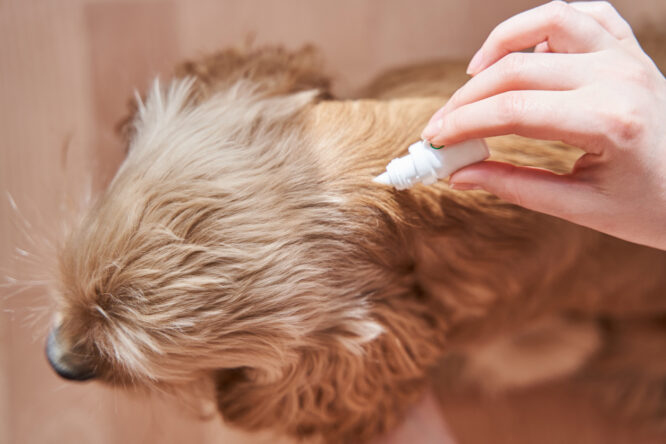
Every time a treated pet goes for a wander in the garden or has a quick roll in the grass, they’re likely leaching potent pesticides into the local ecosystem. The chemicals they contain are banned in British farming for a reason—they’re incredibly effective at wiping out insect life—but they’re still being washed into our soil and waterways via our back doors.
It’s a massive environmental blind spot where our desire to protect our pets is accidentally poisoning the bees and butterflies we’re trying to encourage into our flowerbeds. While no one wants an infestation in their carpet, the scale of this toxic run-off is starting to look like a much bigger problem than a few itchy ankles. Transitioning to a more conscious way of handling parasites is becoming a necessity if we want to stop our gardens from becoming accidental no-go zones for the rest of nature.
What’s actually in the pipette?
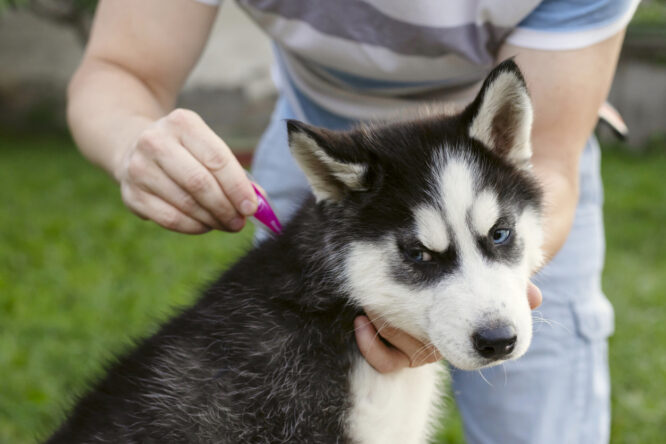
The two chemicals at the heart of this story are fipronil and imidacloprid. Both are insecticides designed to wipe out fleas and ticks by attacking their nervous systems. You’ll find them in most over-the-counter spot-on treatments and collars sold in pet shops, supermarkets, and online.
They’re extremely effective at what they do, which is part of the problem. These substances don’t just disappear once they’ve done their job on your cat or dog. They stick around in fur, on skin, in homes, and eventually in the wider world.
They’re banned for farming, but apparently fine for pets.
Here’s the strange bit: both fipronil and imidacloprid were banned from agricultural use years ago. Imidacloprid, a neonicotinoid, lost its farming licence in the UK back in 2018 because of the damage it was doing to bees and other pollinators. Fipronil went the same way in agriculture even earlier.
And yet, both remain freely available for anyone to buy and apply at home, no veterinary advice required. The UK has roughly 11 million dogs and 10.5 million cats, and more than 75% of them received flea treatment in the last year alone. The scale is enormous.
How does it end up in your garden?

Pets shed fur constantly, and that fur carries traces of whatever is sitting on their skin. Every time a treated dog rolls on the lawn or a cat grooms itself on the patio, small amounts of pesticide are being left behind. Handwashing turns out to be the biggest source of all.
Research from the University of Sussex found fipronil or imidacloprid on the hands of every pet owner tested for at least 28 days after applying a spot-on, despite clear label instructions to minimise contact. Those residues wash down the kitchen sink straight into the sewage system.
The songbird nest discovery is particularly alarming.
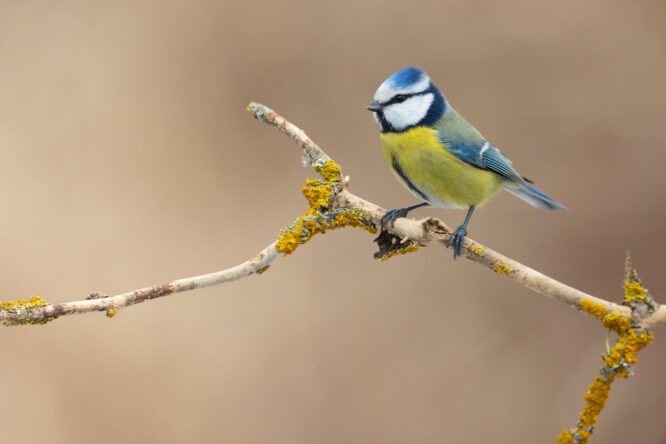
One of the most striking findings comes from a University of Sussex study of bird nests. Birds naturally collect animal fur to line their nests, often using tufts left by cats and dogs in gardens and hedgerows. Researchers analysed 103 nests and found fipronil in every single one.
Imidacloprid turned up in 89% of them. Permethrin, another pesticide used in pet treatments, was present in 89% too. Some nests contained up to 11 different insecticides layered together in material the birds had assumed was safe bedding for their chicks.
100% of garden birds tested were affected by these pesticides.
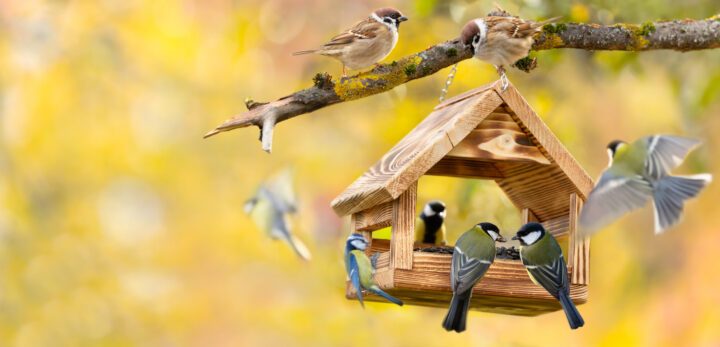
A follow-up study published in April 2026 went further. Researchers looked at 74 feather samples from five common garden birds: blackbirds, bluetts, chaffinches, dunnocks, and goldfinches. Every single sample contained pesticides. Imidacloprid was present in 88% of the feathers tested, and fipronil in 72%.
This was the first direct evidence that the chemicals aren’t just sitting in nesting material but are actually transferring into the birds themselves, including unhatched eggs and dead chicks. More than half of the UK’s songbird species are already in trouble, so any added pressure is noteworthy.
It’s doing harm to rivers as well.

The problem doesn’t stop at garden birds. Cardiff University research found that mayfly populations had collapsed by as much as 90% in stretches of Welsh rivers where pesticide concentrations were at toxic levels. Caddisflies have seen similar drops. These aquatic insects are the foundation of river food chains, feeding fish, amphibians, and the birds that hunt them.
Misconnected household drains, where waste water accidentally enters surface water systems, have been identified as a major route for these chemicals to reach streams. An estimated 500,000 UK properties may have such misconnections, often caused by DIY plumbing jobs or dodgy extensions.
The government is finally ready to act.

Things moved noticeably in April 2026. A coalition of charities including Buglife, WildFish, SongBird Survival, the RSPB, the Wildlife Trusts, Greenpeace, and Friends of the Earth wrote an open letter to Environment Minister Baroness Hayman of Ullock, demanding urgent action.
Days later, the government launched a formal consultation on whether flea and tick treatments should be made prescription-only. A full ban isn’t on the table, but ministers are weighing up whether to restrict these products to vets, pharmacists, and suitably qualified professionals. An education campaign for pet owners is also being rolled out this spring.
Vets are starting to chime in on the issue.
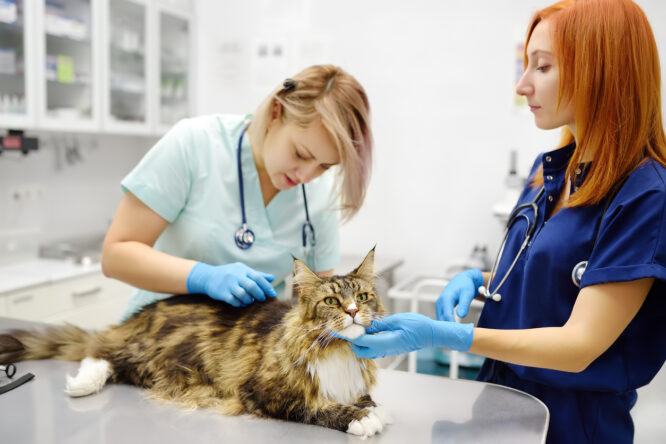
The British Veterinary Association has updated its guidance and is now asking vets to move away from recommending year-round blanket treatments. The new approach is risk-based, which means looking at each individual animal’s lifestyle. A house cat that rarely ventures outside might genuinely not need monthly dosing.
A dog that swims in rivers almost certainly shouldn’t be getting spot-on treatments that will wash straight into the water. Oral tablets, available through vets, tend to have a lower environmental impact because they don’t sit on the outside of the animal where they can rub off onto everything.
What pet owners can actually do to help

Nobody is suggesting letting your pet suffer an infestation. Fleas cause real misery, and tick-borne diseases can be serious. The change being asked for is simply to use these chemicals more thoughtfully. Talk to your vet about whether monthly preventative treatment is genuinely needed for your pet, or whether treatment only when fleas appear might work instead.
If you do use a spot-on, keep your pet out of ponds, rivers, and streams for as long as possible afterwards, ideally up to 28 days. Avoid leaving brushed-out fur in the garden for birds to collect. Wash your hands thoroughly after application and dispose of packaging in household waste rather than recycling.
You’re not at fault for not knowing about this sooner.
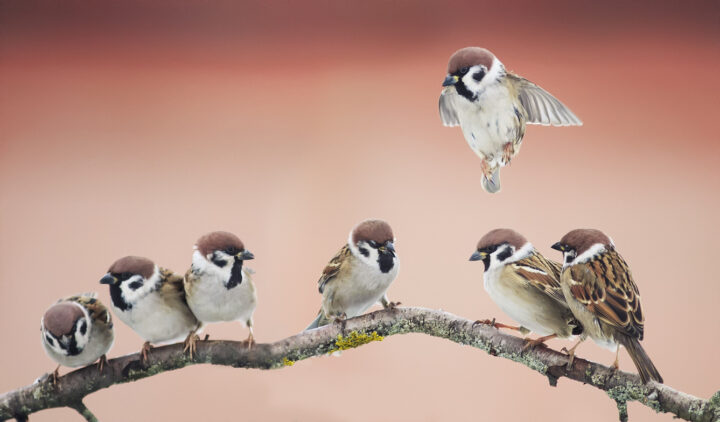
This whole issue sits in an uncomfortable spot where trying to do the right thing by your pet has been quietly harming wildlife in your own back garden. Most people had no idea. The research is only catching up now because nobody was really looking before.
What happens next depends partly on the consultation outcome and partly on whether enough pet owners start asking questions at the vet’s desk. In the meantime, a more measured approach to flea treatment is probably one of the easier wildlife-friendly changes anyone with a cat or dog can make.