Most people assume charity shops will take almost anything, as long as it’s in decent condition.
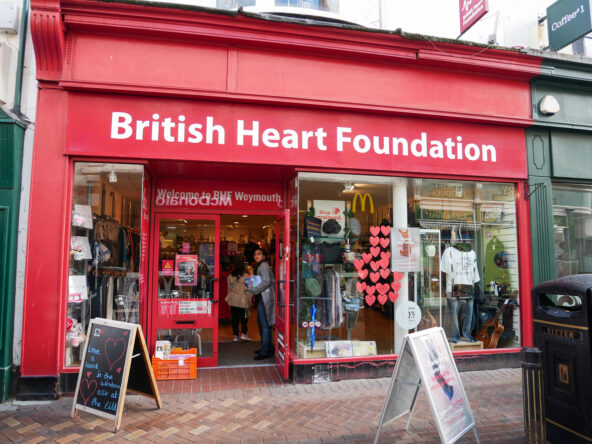
Bags get filled, boxes get dropped off, and it feels like a simple way to clear space while doing something good. But according to the British Heart Foundation, there’s actually a long list of items they can’t accept due to safety, hygiene, and legal reasons. What catches people out is how many everyday items fall into that category.
Many everyday items get turned away.
The biggest reason behind these restrictions is responsibility. Once a charity shop accepts an item, they’re responsible for selling something that’s safe to use. If there’s any doubt about that, they simply can’t take the risk. That’s why things like baby equipment, electrical goods, and safety items come with stricter rules. Just because an item looks fine doesn’t mean that it meets current standards and can be safely passed on to someone else.
Children’s items are one of the most restricted categories.

Anything used by babies or young children tends to fall under tighter regulations. Items like car seats, cots, mattresses, pushchairs, and safety gates are often refused, even if they look perfectly usable.
The reason is simple: safety standards for children’s products change over time, and there’s no easy way for a shop to guarantee an item still meets those standards. Even soft toys can be rejected if they don’t carry the correct safety labels, which is something most people wouldn’t think to check before donating.
Clothing isn’t always accepted, either.

Clothes are one of the most common donations, but there are still limits. Items like worn underwear or swimwear without hygiene strips are usually turned away for obvious reasons.
There are also rules around safety labelling. Nightwear needs proper flammability warnings, and certain children’s clothing with drawstrings can be rejected because of safety concerns. Even handmade items can be refused if they don’t meet labelling standards.
Electrical items come with strict conditions.

Electrical goods are another area where people get caught out. Many assume that if something still works, it can be donated. In reality, there are long lists of items that can’t be accepted at all.
This includes things like electric blankets, gas appliances, heaters, and certain large appliances. Some items can only be accepted if they’re brand new and sealed because shops need to be confident they’re safe to use. Without proper testing or documentation, they simply can’t take the risk.
Furniture has to meet fire safety rules.
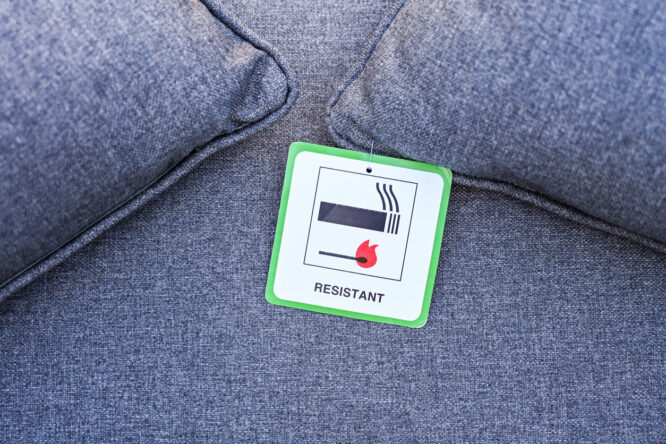
Furniture donations are common, but they come with one key requirement. Upholstered items need to have the correct fire safety labels attached. If those labels are missing, the item can’t legally be resold, even if it’s in great condition. The same applies to things like cushions and padded covers. It’s one of the main reasons people get turned away when trying to donate larger items.
Some items are refused purely for hygiene reasons.
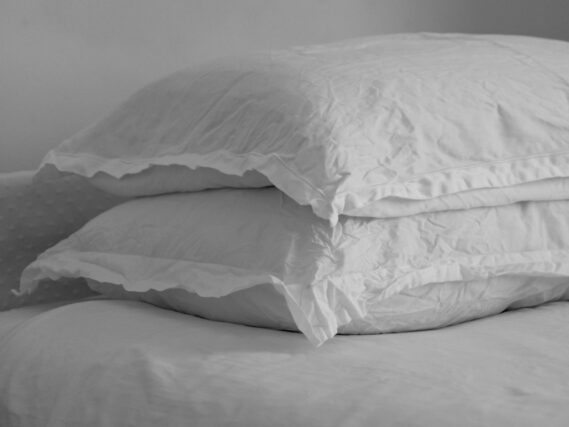
There are also items that are declined simply because they can’t be safely reused. Used pillows, duvets, and quilts fall into this category, as do certain personal items. Things like opened cosmetics, toiletries, and worn personal equipment can’t be accepted because there’s no way to guarantee they’re safe or clean for the next person. Even if they look fine, the risk is too high.
Legal restrictions rule out entire categories.

Some items aren’t just discouraged, they’re completely off-limits due to legal rules. This includes anything made from ivory, real fur in some cases, and certain types of media like copied DVDs or software. Weapons, even decorative ones, are also banned, along with anything that could be considered dangerous. That means knives, blades, and realistic toy weapons, among others. These aren’t legal for resale through charity shops.
Flammable and hazardous items are a no-go.

Anything that could pose a fire or chemical risk is automatically excluded. That includes fuel, paint, cleaning products, adhesives, and even some everyday household items like candles without proper instructions. These items can be dangerous to store, transport, or sell, especially in a shop environment where space is limited and items are handled regularly.
These rules come from one charity, but many shops follow similar ones.
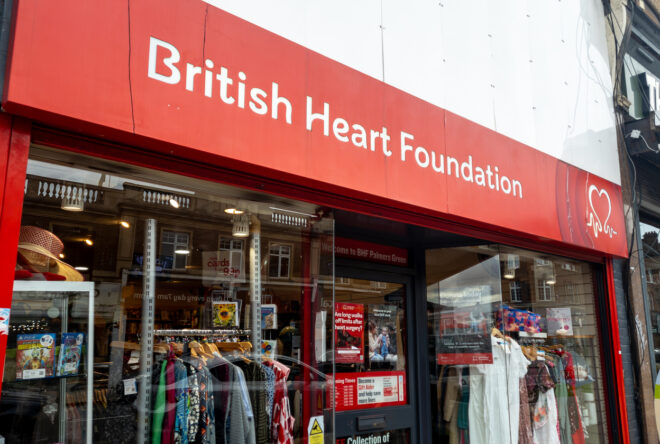
While these specific restrictions come from the British Heart Foundation, many other UK charity shops have similar rules in place. The details might vary slightly, but the reasons behind them are largely the same. In other words, even if one shop turns something away, it’s unlikely another will accept it if it falls into one of these categories.
What to do with items that aren’t accepted
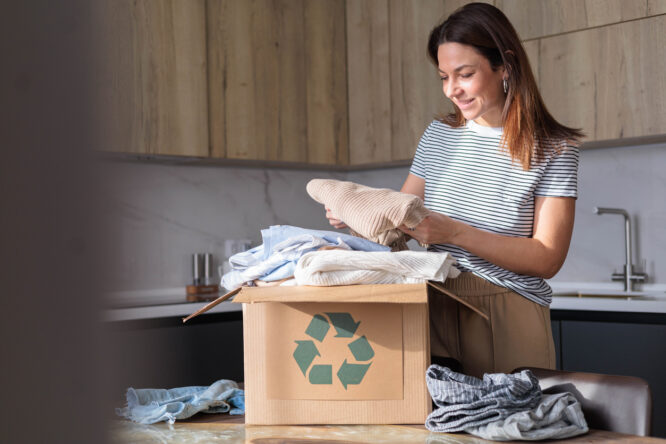
Just because something can’t go to a charity shop doesn’t mean it has no use. Some items can be recycled, others can be taken to specialist centres, and some may need to be disposed of properly for safety reasons.
For things like electricals or hazardous materials, local recycling centres are usually the best option. In some cases, items like tools or equipment can be donated elsewhere, just not through standard charity shops.