The version of adulthood we were promised has finally lost its shine for a generation that’s now mostly in its 30s and 40s.

They’ve collectively reached a point where the patience for social performances and outdated rules has completely dried up, leaving a long list of traditional must-dos firmly in the bin. It’s not that millennials are busier than everyone else; it’s that they’ve stopped pretending to care about stuff that adds zero value to our lives, from the soul-crushing formality of office culture to the performative nonsense of traditional milestones.
In other words, they’re cutting out the fluff and the “shoulds” with a level of ruthlessness that can seem like laziness to older generations, but really, it’s just a refusal to entertain anything that feels like a waste of a precious Saturday. If you’ve noticed your tolerance for meaningless busywork and “just for show” chores has vanished, you’re definitely not the only one deciding that life is far too short to tolerate these things.
Answering the phone to an unknown number
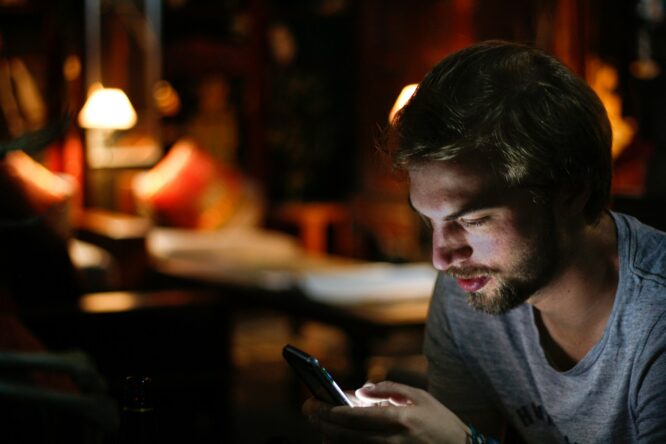
It’s not going to happen. If there’s no name attached to the number, the call goes to voicemail, and the voicemail goes unlistened to for three days until the anxiety of the little notification becomes unbearable. This isn’t rudeness; it’s self-preservation in an era where roughly 80% of unknown calls are either a scam, a recorded message about a car accident that wasn’t your fault, or someone trying to sell you something you definitely don’t need. Texting exists for a reason, and most millennials would genuinely rather receive a text from their own GP than a phone call.
Formal dress codes that serve no purpose

The suit, the ironed shirt, the office-appropriate everything, all of it has been deprioritised by a generation that proved during a global pandemic that working in joggers produced the same output as working in a blazer. Millennials aren’t against looking presentable, they’re against the performance of formality for its own sake. If the job gets done, the specific fabric worn while doing it feels increasingly irrelevant, and most workplaces that haven’t caught up with that yet are struggling to hire.
Traditional broadcast television

Scheduled programming is a concept that feels genuinely alien to anyone who came of age with on-demand everything. Sitting down at a specific time to watch a specific thing, surrounded by adverts you can’t skip, when you could instead watch whatever you want at whatever time you want, simply doesn’t compute. Streaming didn’t kill television, it just removed the parts that were already frustrating. Millennials didn’t abandon TV; they abandoned the format that served the broadcaster rather than the viewer.
Big traditional weddings

The average UK wedding now costs somewhere in the region of £20,000 to £30,000, and a growing number of millennials are looking at that figure and choosing something smaller, more personal, or incredibly different from the full production their parents might have expected.
Rather than cynicism about marriage, it’s a rational response to having student debt, high rent, and a cost of living that makes spending thirty grand on one day feel difficult to justify. The marriages themselves are actually lasting longer than previous generations, partly because people are waiting until they’re more financially stable before committing.
Keeping up with appearances that cost a fortune

The pressure to own the right things, live in the right place, and project a version of success that matches some external template has been slowly replaced by something more pragmatic. Surveys consistently show that millennials are prioritising quality of life over accumulation, which sounds like a philosophical choice, and on some levels, it is.
However, it’s also just a practical response to a world where the traditional markers of success, owning a home, taking regular holidays, building savings, are all much harder to reach than they were for previous generations at the same age. When the goalpost moves that far, it makes sense to question whether the goal was right in the first place.
Ironing

The iron sits in a cupboard and comes out approximately twice a year for occasions that specifically require it. Wrinkle-resistant fabrics, the strategic use of a tumble dryer, and the general societal move away from rigid dress codes have rendered the weekly ironing pile largely redundant for a considerable portion of the millennial population. It’s not laziness, it’s efficiency. Time is genuinely finite, and spending it ironing tea towels no longer feels like a reasonable use of it.
Brand loyalty for its own sake

Staying with the same bank, the same supermarket, the same insurance provider year after year because switching feels like too much effort is a habit millennials are far less attached to than older generations. They grew up being told to shop around, use comparison sites, and question whether loyalty actually gets rewarded, and it turns out the answer is usually no. The same applies to big brand names generally. If the own-brand version is identical and half the price, the packaging isn’t doing enough to justify the difference.
Eating breakfast cereal

This sounds trivial, but the decline of traditional boxed cereal is a genuine cultural change. Sugary cereal eaten from a bowl with milk was a cornerstone of British morning culture for decades, and millennials have largely drifted toward other options.
Yogurt, protein bars, overnight oats, or simply skipping breakfast altogether have replaced the bowl of Cornflakes for a generation that is more conscious of sugar content and less attached to the ritual of the thing. Food companies have noticed and have been reformulating and rebranding accordingly, with limited success.
Shopping centres as a destination

The mall as a social experience, somewhere you’d go on a Saturday afternoon just to wander, try things on, eat something from the food court, and spend a few hours, has slowly but surely faded. Online shopping removed the practical need for it, and rising costs removed the casual browsing budget that made it enjoyable.
The shopping centres that are surviving are the ones that have pivoted toward experience, food, leisure, and the kind of things you can’t replicate online. The ones that haven’t are struggling in ways that were predictable, but are still quite striking to witness.
Performative productivity

Being seen to be busy, working through lunch, staying late for the appearance of dedication, treating exhaustion as a badge of honour, all of it has been challenged by a generation that watched their parents work themselves into the ground and decided that the bargain wasn’t quite what it was presented as.
Millennials are not, despite persistent accusations, lazy. They’re often working multiple jobs, managing rising costs, raising children with less financial cushion than previous generations had, and doing it all while being told they’d be able to afford a house if they just spent less on coffee. The rejection of performative productivity isn’t entitlement, it’s a pretty reasonable reassessment of what work is actually supposed to provide in exchange for your time.
Paper everything

Bank statements, receipts, instruction manuals, greetings cards sent through the post, cheques, payslips in envelopes, paper bills. All of it has been gradually replaced by digital equivalents that millennials find more straightforward. The exception tends to be books, which a surprising number of millennials still prefer in physical form, which suggests it’s not paper itself they’ve rejected but the administrative clutter that came with it.