If you’re the person who constantly buys the same black jumper in five different shades of midnight, you’ve probably heard every joke about going to a funeral or being a goth.
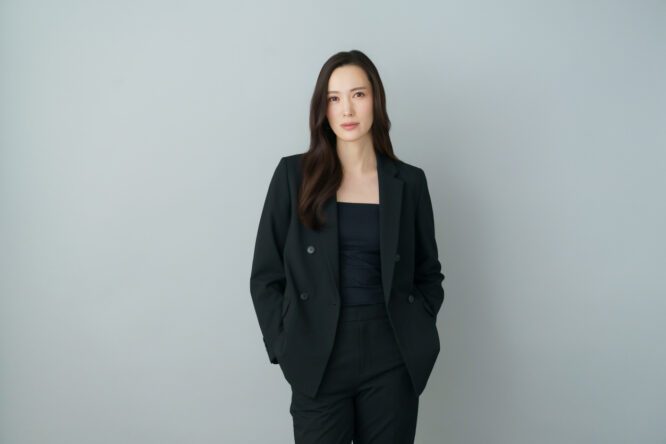
However, it turns out your wardrobe choice isn’t just about avoiding a laundry disaster or trying to look slim. New research into colour psychology suggests that people who default to an all-black uniform usually share a specific set of personality traits that have nothing to do with being moody.
From a need for a sense of control to a hidden streak of sensitivity, your clothes are likely saying a lot more about your brain than you’ve ever realised. Here’s what your preference for a dark wardrobe actually reveals about someone’s personality, and why they’re probably more driven than the person wearing neon.
They’re often seen as more powerful and in control.

Black is strongly linked to authority, confidence, and control in multiple studies on colour perception. People wearing black are more likely to be viewed as serious, capable, and composed, especially in professional settings.
This helps explain why black shows up so often in formal clothing, uniforms, and leadership roles. Even without thinking about it, people tend to associate the colour with competence and presence.
They tend to give off a more serious, no-nonsense vibe.

Research into clothing as a social signal shows that darker, minimal colours like black are linked to seriousness rather than playfulness. It naturally creates a more focused and less casual impression.
That’s why people often reach for black when they want to be taken seriously, whether it’s at work, in meetings, or in situations where they don’t want distractions.
They’re often managing how other people see them.

Clothing plays a role in impression management, and black is one of the easiest ways to control how much attention you attract. It keeps things simple and reduces visual noise. People who wear black regularly may be using it as a way to stay neutral and avoid being judged too quickly based on appearance alone.
They often prefer simplicity over standing out.
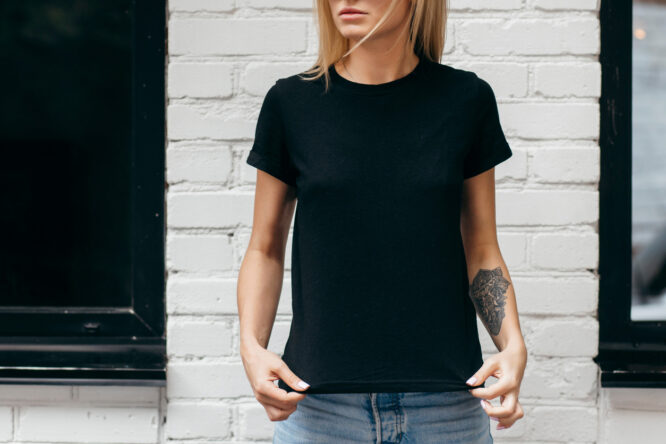
Choosing black frequently tends to be about keeping things straightforward. It’s easy to match, works in almost any setting, and doesn’t demand attention. That doesn’t mean a lack of style, though. In many cases, it reflects a deliberate choice to keep things clean, consistent, and low-effort without sacrificing how they look.
They’re often seen as more sophisticated.

Black is widely associated with elegance, intelligence, and sophistication in colour psychology research. It carries a sense of refinement without being flashy. This is one reason it dominates in formal wear and high-end fashion. It suggests confidence without needing to stand out too much.
They can come across as more intimidating.

Some studies have linked black clothing to higher perceptions of dominance or aggression in certain situations. People may unconsciously read it as more intense or serious. That doesn’t mean the person actually is intimidating, but it shows how the colour can influence first impressions, especially in unfamiliar settings.
They’re often seen as more independent.

Black can signal that someone isn’t trying to follow trends or gain attention. It gives off a more self-contained, independent impression. That can come across as confidence, especially when someone seems comfortable not standing out or seeking approval from other people.
They may use clothing to set social boundaries.
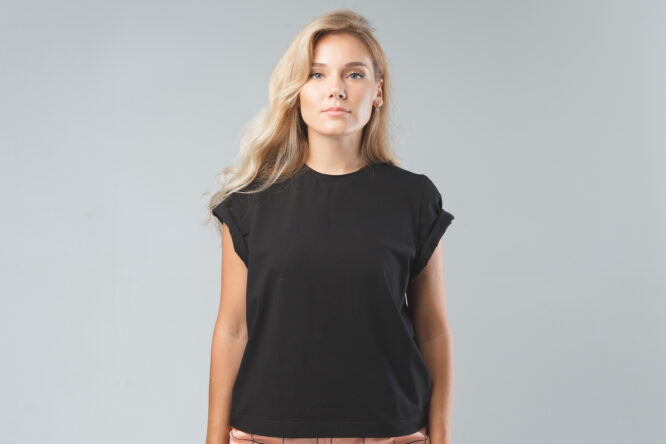
Psychology research suggests clothing can act as a boundary in social situations. Black, in particular, tends to reduce unwanted attention and casual comments. It can move focus away from appearance and more onto conversation or behaviour, which some people prefer in everyday interactions.
They’re often drawn to structure and control.

Black is linked to order, structure, and control in colour psychology. It feels more contained and deliberate than brighter or more expressive colours. People who favour it regularly may be more comfortable with routine, organisation, and keeping things predictable rather than chaotic.
They often choose it for practical reasons, too.

There’s also a very simple explanation. Black is easy. It works with everything, doesn’t show wear as easily, and requires less thought when getting dressed. For many people, that convenience becomes a habit, which then turns into a consistent personal style over time.
It can make people appear slimmer and more put together.

Research has shown that darker clothing can slightly reduce how body size is perceived. This is one of the reasons black is often seen as flattering. That practical benefit plays a big role in why people keep coming back to it, especially for occasions where they want to feel more confident.
They may prefer depth over surface-level interaction.

While not a strict rule, people who gravitate towards black are often associated with valuing substance over attention. The colour doesn’t invite quick judgements or loud impressions. This can translate into a preference for more meaningful conversations and fewer surface-level interactions, depending on the person.
They can sometimes seem harder to read.
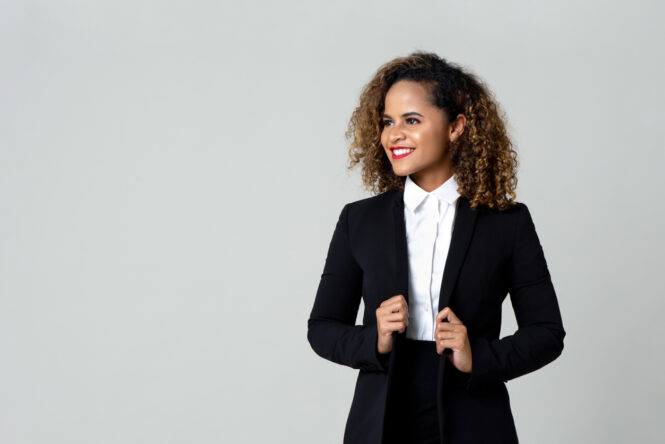
Because black doesn’t reflect mood in the same way brighter colours do, it can make someone seem more reserved or emotionally contained. That doesn’t mean they are closed off, but it can make first impressions feel a bit more guarded compared to someone wearing more expressive colours.
What they wear can influence how they act.

There’s research showing that clothing can affect behaviour, not just perception. Wearing black has been linked in some studies to slightly more assertive or dominant behaviour. This happens because people internalise the meaning of what they’re wearing, which then subtly shapes how they carry themselves.
They often lean towards timeless choices.

Black doesn’t really go in and out of fashion. It’s consistent, reliable, and always works. People who stick with it tend to favour long-term choices over fast-changing trends, which often shows up in other areas of their life as well.