Not all passports are created equal, and the gap between them is bigger than most people realise until they actually try to travel.
For some, booking a trip is as simple as picking a destination and packing a bag, while for others it involves forms, fees, interviews, and long waiting times before they even know if they’re allowed to go. That difference is what people mean when they talk about the most powerful passports in the world. It’s less about status and more about freedom, particularly when it comes to how easily you can move across borders without friction.
What actually makes a passport powerful?
A passport’s strength comes down to how many countries you can enter without needing to apply for a visa in advance. That includes visa-free travel, visas on arrival, and simple online approvals that don’t require long processing times. The more places you can access without jumping through hoops, the more powerful your passport is considered.
These rankings are usually based on global travel data and updated throughout the year as countries change their entry rules. It’s not just about wealth or size, it’s about relationships. Countries that maintain strong diplomatic ties tend to agree easier travel terms with each other, which is what builds a strong passport over time.
Singapore currently leads the world.
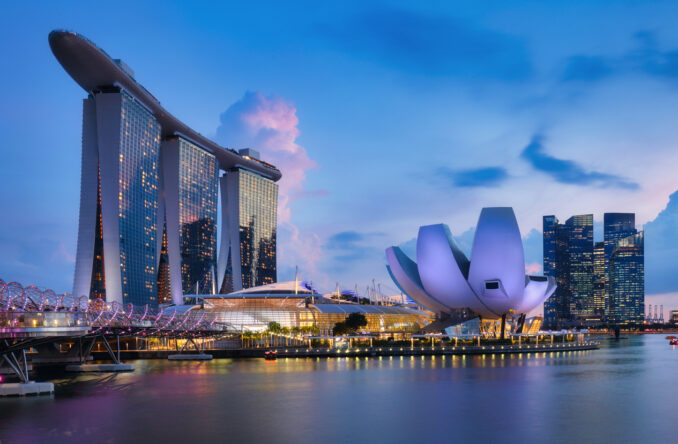
In 2026, Singapore sits firmly at the top of the rankings. Its passport allows access to around 190 or more destinations without needing a visa in advance, which gives it a clear edge over the rest of the world. For travellers, that means fewer barriers and far less planning compared to most other countries.
This position didn’t happen overnight. Singapore has spent years building stable international relationships and maintaining strong trust with other nations. That trust translates into easier entry rules, and over time, that’s what pushes a passport to the top of the list.
Japan and South Korea are just behind.
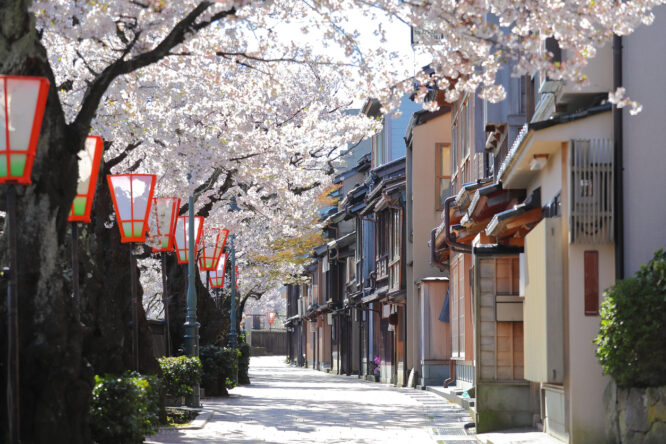
Japan and South Korea continue to sit just below Singapore, offering access to a very similar number of destinations. They’ve been near the top for years, which shows how consistent diplomacy and stability can keep a passport strong, rather than it being a temporary result.
For everyday travellers, the difference between these top passports is small, but the experience is the same. Trips are easier to plan, border checks are smoother, and there’s far less uncertainty about whether you’ll be allowed in.
European countries dominate the top tier.
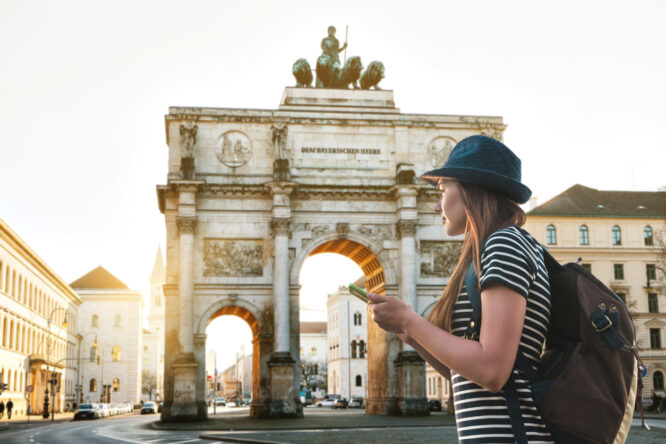
A large number of the world’s strongest passports come from Europe. Countries like Germany, France, Spain, Italy, and several Nordic nations regularly rank near the top, often grouped closely together with similar levels of access.
Part of the reason for this is how closely European countries work together. Being part of a connected region makes it easier to form wider travel agreements, and that influence extends beyond Europe into global travel access. It creates a network effect where strong relationships keep reinforcing each other.
The UK still sits comfortably among the strongest.
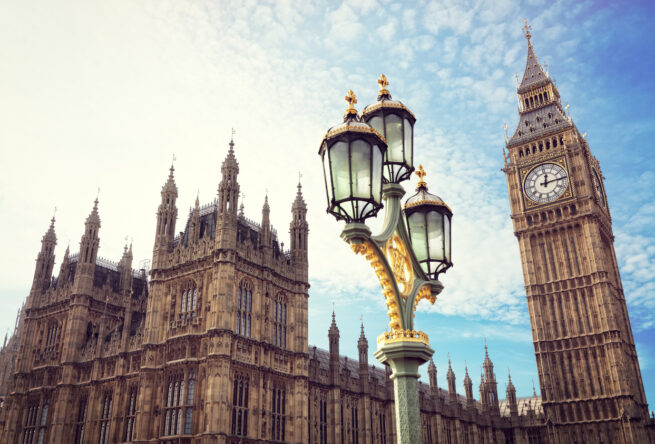
The UK remains in the upper tier, typically ranking within the top ten globally. British passport holders can travel to around 180 destinations without needing a visa in advance, which still puts it ahead of most countries.
It’s not quite at the very top anymore, but for most people, that doesn’t change much in practical terms. Travel across Europe, much of Asia, and many other regions is still relatively straightforward, with fewer barriers than the global average.
The United States has gradually slipped.

The US passport still offers strong global access, but it no longer leads the rankings as it once did. It now sits slightly behind the top group, with access to a slightly smaller number of visa-free destinations.
This change has happened slowly rather than suddenly. As other countries have expanded their agreements and strengthened their global ties, they’ve moved ahead. It shows that passport strength isn’t fixed and can change over time depending on how countries engage with the rest of the world.
The gap between strongest and weakest is massive.
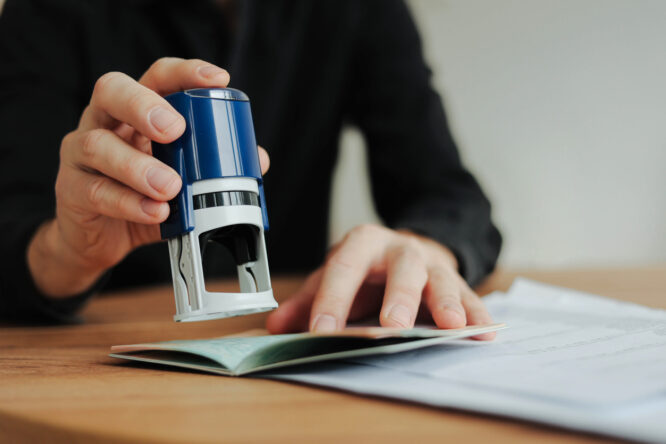
One of the most striking parts of these rankings is how uneven they are. At the top, passport holders can access nearly 190 countries without much effort. At the bottom, some passports only allow entry to around 25 destinations without a visa.
This isn’t just about travel convenience, it reflects deeper global inequalities. Where you’re born can have a direct impact on your ability to move, work, and explore. For some, travel is a simple choice, while for others it’s a complex and restricted process.
Some countries are improving faster than others.
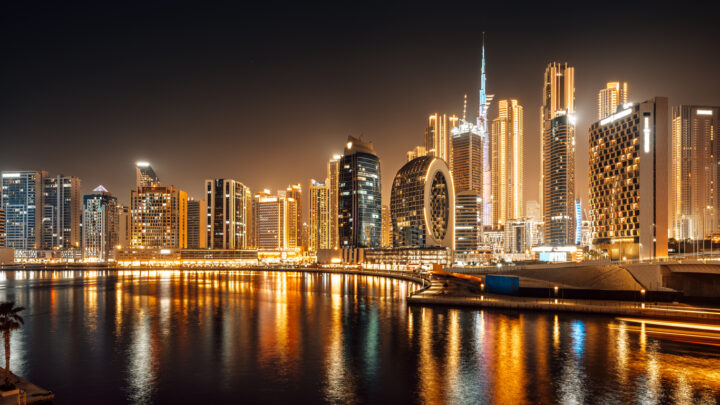
While the top rankings tend to stay fairly stable, some countries have made noticeable progress over the years. By building stronger diplomatic relationships and negotiating new travel agreements, they’ve increased the number of destinations their citizens can access.
The United Arab Emirates is often highlighted as a country that has climbed quickly. Its passport has become significantly more powerful over a relatively short period, showing that these rankings can change with long-term effort and strategy.
Passport power affects more than just holidays.
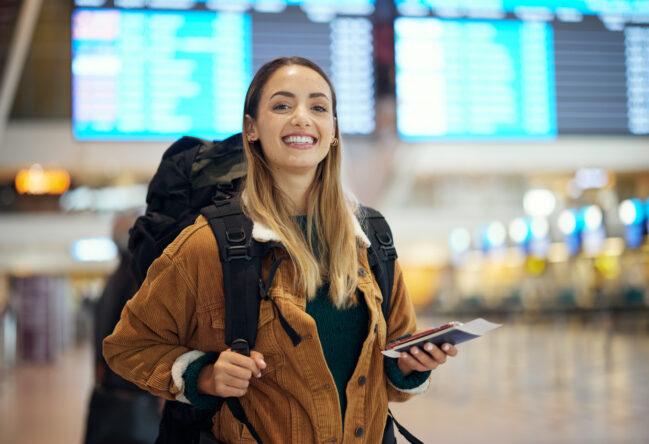
It’s easy to think of passport strength in terms of holidays and weekend trips, but it goes much deeper than that. A stronger passport can make business travel easier, open up job opportunities, and reduce the stress of moving between countries.
For people who travel regularly, the difference is clear. Fewer visa applications mean less cost, less waiting, and fewer chances of plans being disrupted. It turns something that can feel complicated into something much more routine.
Do these rankings actually matter?
At first glance, passport rankings might seem like a bit of trivia, but they reflect how connected the world really is. They show which countries have built strong global relationships and which ones face more barriers when it comes to movement.
For individuals, it comes down to ease and opportunity. A powerful passport removes obstacles and makes it simpler to explore, work, and connect with other parts of the world. It’s one of those things people don’t always think about, but it shapes how freely they can move through life.