If you’re planning to load up the boot and hit the motorway this Easter, you’re probably more focused on the weather or the traffic than what’s happening under your bonnet.

It’s one of the busiest weekends of the year on the roads, and nothing ruins a bank holiday quicker than sitting on a hard shoulder waiting for a recovery truck while everyone else is already tucked into their Sunday roast. We’ve moved into a period where modern cars feel so reliable that we’ve almost forgotten they still need a bit of basic maintenance before a long haul.
While most of us are guilty of just turning the key and hoping for the best, there’s a massive risk that a tiny oversight now could turn into a costly breakdown once you’re miles from home. Taking just five minutes to run through a few essential checks means making sure you’re safe on your journey, as experts say skipping out on some basic checks could put you in danger.
The warning is really about basic checks most drivers skip.

The advice centres on simple things like tyres, fluids, and visibility. These aren’t complicated checks, but they tend to get ignored because nothing feels wrong in the moment, especially if the car has been running fine for weeks.
That’s usually how problems build. A car can seem fine for a long time while small issues develop in the background, and by the time something shows up properly, it’s already become more expensive or harder to deal with. Regular checks are less about fixing things and more about catching them early.
Tyres are one of the biggest risks people don’t pay enough attention to.
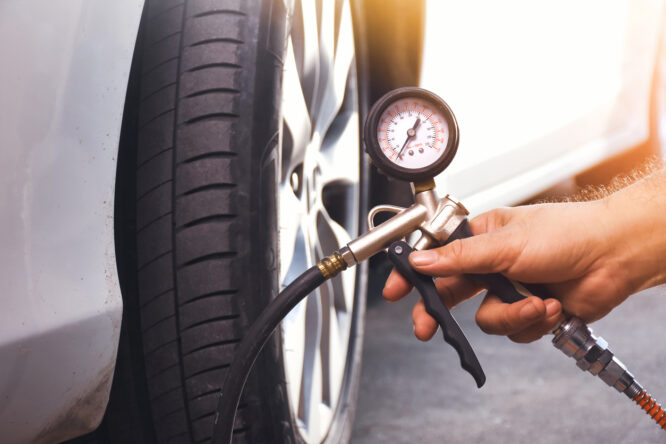
Tyres handle everything from rough roads to long journeys, yet they’re often left unchecked until there’s an obvious issue. Low pressure or worn tread can affect grip, braking distance, and even fuel use without making much noise about it.
A quick look can tell you a lot. Uneven wear, cracks, or low tread depth are all signs something needs attention. It’s also worth remembering there are legal limits, and dropping below them can lead to fines as well as safety risks.
Fluid levels are easy to forget, but expensive to ignore.
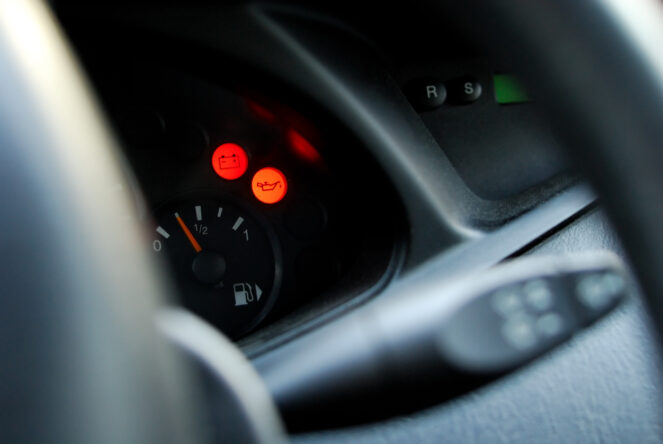
Oil and coolant don’t get much attention because they’re out of sight, but they play a big role in keeping the engine running properly. Washer fluid often gets overlooked, too, until you suddenly need it.
If those levels drop too low, the engine can overheat or wear down faster than it should. It’s one of those problems that starts small but can quickly lead to major damage, which is far more expensive than simply topping things up when needed.
You’re legally responsible for making sure your car is roadworthy.

It’s not just about avoiding inconvenience. In the UK, drivers are responsible for making sure their vehicle is safe to drive at all times, not just when it passes an MOT. That includes things like tyres, lights, mirrors, and overall condition. If something isn’t up to standard and you’re caught out, it can lead to fines or points on your licence, even if you didn’t realise there was a problem.
Lights and visibility are often missed until it’s too late.

It’s easy to miss a faulty light if you’re mostly driving during the day. The same goes for indicators or brake lights, which you don’t always see yourself unless someone points it out. Checking them takes very little time, and it’s worth doing properly rather than assuming they’re fine. Visibility becomes much more important in poor weather or darker evenings, where small faults suddenly matter more.
Wipers and windscreens affect more than people think.

Worn wipers or small chips in the windscreen don’t always feel urgent, but they can quickly become a problem when conditions change. Streaky wipers or glare from scratches can make it harder to see clearly. Even a small chip can spread over time, especially with temperature changes or bumps in the road. Sorting these things early tends to be quicker and cheaper than leaving them until they get worse.
Seasonal wear and tear builds up in the background.

Weather conditions, especially over winter, can take a toll on your car without it being obvious straight away. Cold temperatures, potholes, and wet roads all put extra strain on tyres, suspension, and battery life. By the time the seasons shift, the damage has often already happened. That’s why these reminders tend to appear around spring, when problems that built up over winter start to show themselves.
Most people rely on how the car feels instead of checking properly.

A lot of drivers assume everything is fine as long as the car drives normally. If there’s no warning light and nothing feels off, it’s easy to think there’s nothing to worry about. The issue is that many problems don’t affect how the car feels straight away. By the time something changes noticeably, it’s often already developed into something that needs fixing rather than just monitoring.
A five-minute check can save a lot of hassle later.

None of these checks take long. Looking over tyres, topping up fluids, and checking lights can all be done in a few minutes, especially once you know what you’re looking for. Doing that regularly can help you avoid breakdowns, unexpected repair bills, and the stress that comes with them. It’s one of those small habits that pays off more than you expect.
Don’t just do it once—make checking a habit.

This isn’t about doing everything perfectly every time. It’s about getting into the habit of paying a bit more attention to your car, rather than only reacting when something goes wrong. Once it becomes part of your routine, it stops feeling like something extra. In the long run, a bit of awareness is what keeps your car running more reliably and avoids problems building up unnoticed.