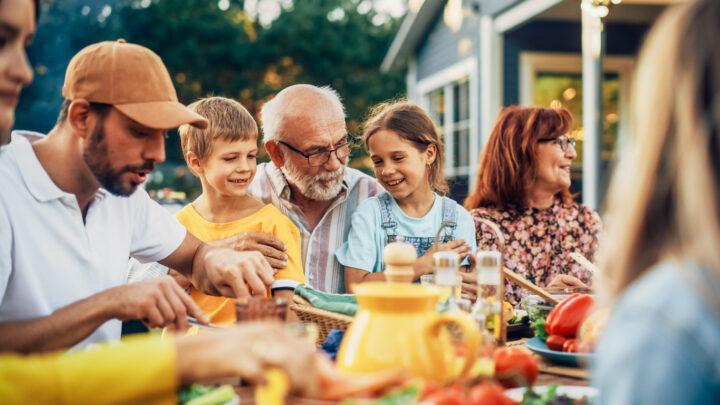
It seems like you can’t pop into a local pharmacy or grab a quick pint these days without tripping over a water bowl or dodging a wet nose.
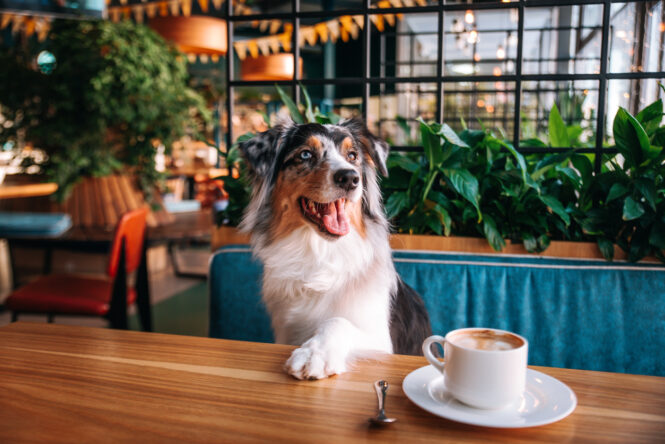
We’ve moved into an era where the British high street looks more like a kennel club than a shopping district, with businesses falling over themselves to prove how pet-friendly they can be. While it’s great news for those who want their four-legged mates with them at all times, there’s a growing sense that we might have pushed things a bit far.
From people with severe allergies and phobias to those who just want to eat their lunch without a Labrador staring at their sandwich, a fair few people are starting to feel like they’re being sidelined in favour of man’s best friend. It’s worth asking if we’ve lost the balance between being a nation of animal lovers and making sure our public spaces are actually comfortable for everyone.
Dog-friendly has gone from a bonus to an expectation in many places.
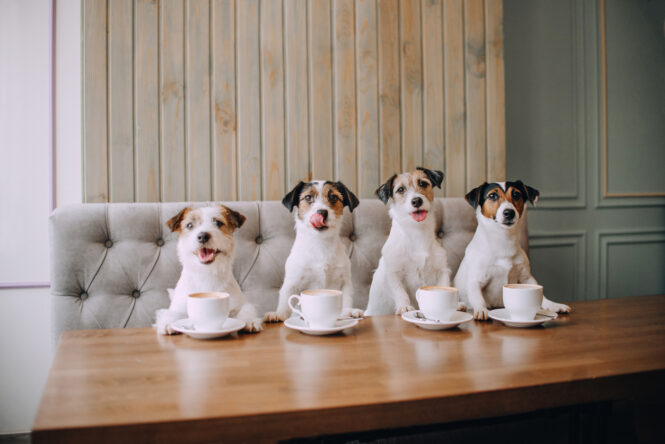
A few years ago, seeing a dog in a café felt like a nice extra. Now it’s often assumed. Businesses advertise it, customers look for it, and some places almost feel like they’re built around it. That change hasn’t happened slowly, either; it’s picked up speed in a short space of time.
The problem is that when something becomes expected, it stops being optional. People who don’t want to sit next to dogs, or simply didn’t sign up for that environment, can feel like they’re the ones out of place. What used to be a perk has quietly turned into the default.
Not everyone feels comfortable around dogs, and that gets overlooked.
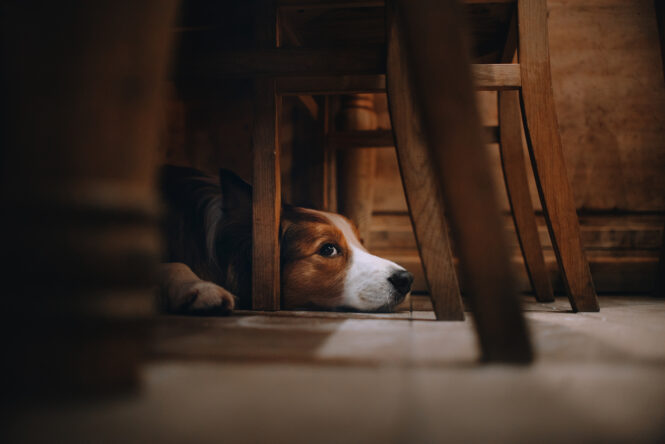
It’s easy to assume everyone loves dogs, but that’s not true. Some people are scared of them, some have had bad experiences, and others just don’t feel relaxed around animals in close spaces. When dogs are brought into more public settings, those people often have to adjust rather than the other way around.
That discomfort doesn’t always get spoken about. It can feel awkward to say you’re not okay with something that’s widely seen as harmless or even positive. So people put up with it, even if it means avoiding certain places altogether.
Allergies are a real issue that doesn’t get much attention.

For people with dog allergies, this change isn’t just a preference thing. It can make certain environments physically uncomfortable. Sitting in a small café or enclosed space with dogs nearby can trigger reactions that aren’t easy to ignore.
What makes it tricky is that allergies aren’t always visible. Someone might quietly deal with it or leave early without making a fuss. In the long run, that can limit where they feel able to go, especially as more spaces become openly dog-friendly.
Hygiene concerns are part of the conversation, even if people don’t say it out loud.
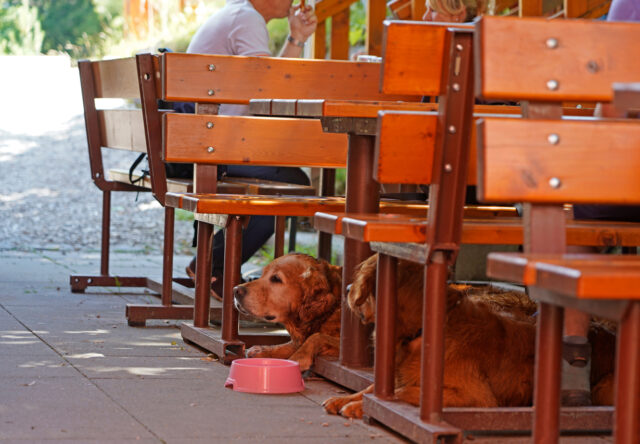
Food and animals have always been kept separate for a reason, so it’s not surprising that some people feel uneasy seeing dogs in places where food is prepared or served. Even well-behaved dogs can shed hair, bring in dirt, or simply be a distraction in tight spaces.
Most businesses have rules in place, but enforcement varies, and not every situation is handled well. That grey area can make people question where the line actually is, especially when standards feel inconsistent from one place to another.
Public spaces are starting to feel more crowded and harder to share.
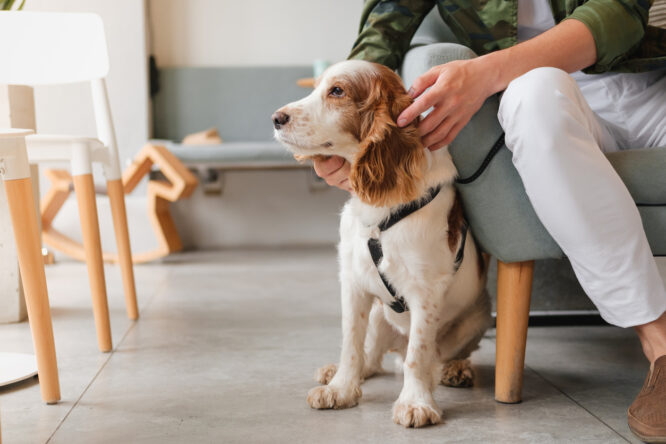
Adding dogs into already busy environments changes how those spaces work. Narrow walkways, packed cafés, and public transport become more complicated when animals are part of the mix. It’s not always about bad behaviour, just the extra presence. For some people, that makes everyday situations feel more stressful. Moving around a space, finding a seat, or simply relaxing becomes a bit more effort when there are more variables to navigate.
Cultural differences around dogs don’t always get considered.
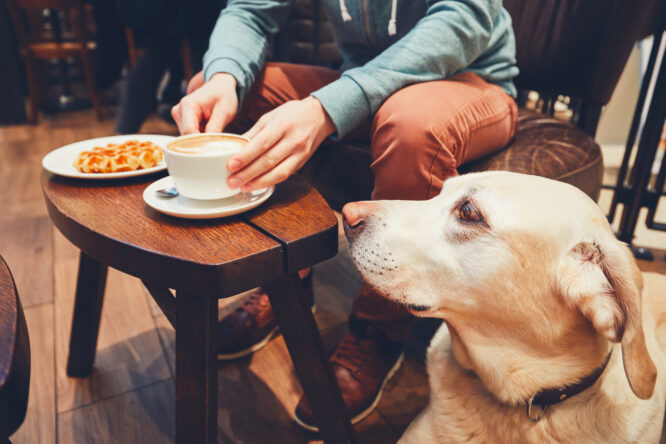
Not everyone grows up in a culture where dogs are treated as companions in public spaces. For some, dogs are kept at a distance, and close contact can feel unfamiliar or uncomfortable. As dog-friendly culture expands, those differences can get overlooked. What feels normal to one group can feel intrusive to another, especially when there isn’t much room for compromise in shared environments.
Businesses are leaning into dog-friendly because it attracts customers.
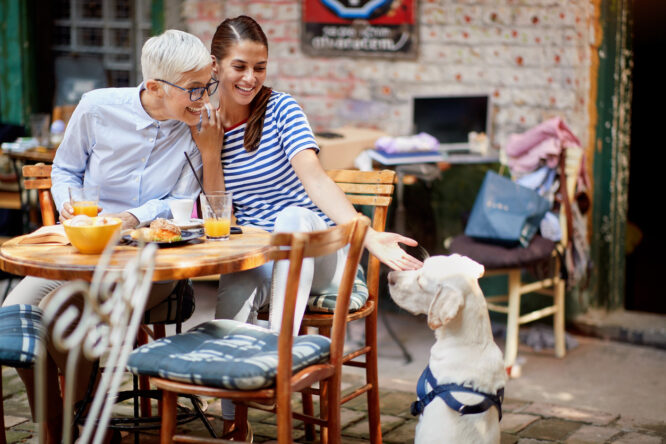
From a business point of view, welcoming dogs makes sense. It brings in pet owners, encourages longer visits, and creates a relaxed, social atmosphere that people enjoy. In competitive areas, it can even be a deciding factor.
Of course, that also means businesses are making a choice about who they prioritise. Creating a space that’s strongly dog-friendly can unintentionally push away people who would rather avoid that setting, even if they would otherwise be regular customers.
Dog owners aren’t all on the same page about behaviour.
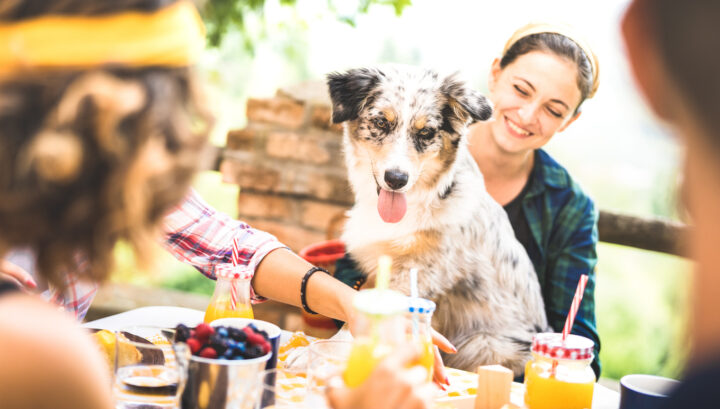
Some owners are careful and considerate, making sure their dog is calm and under control. Others are more relaxed, assuming their dog is fine in any situation. That difference shows up quickly in shared spaces. It only takes a few loud, restless, or poorly managed dogs to change the atmosphere in a room. When that happens, it reinforces the concerns people already have and makes the whole idea of dog-friendly spaces feel less appealing.
Staff are often left to manage awkward situations.
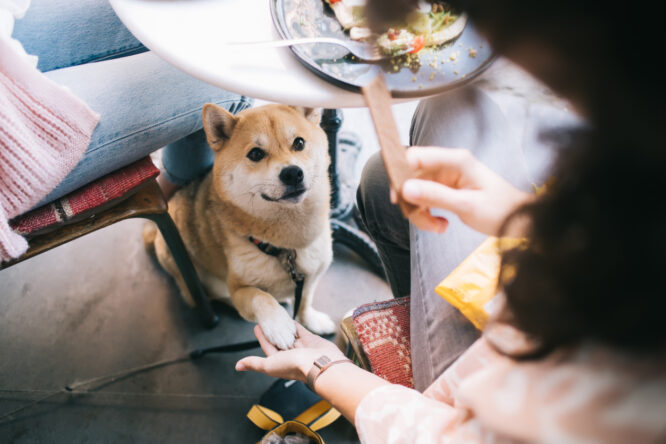
Employees in cafés, shops, and restaurants end up in the middle of it. They have to balance keeping customers happy, enforcing rules, and dealing with complaints, all while trying not to create conflict. That can be difficult when expectations aren’t clear. If one customer is bothered by a dog and another expects full freedom for their pet, staff are left trying to keep both sides satisfied, which isn’t always possible.
There’s a growing gap between dog owners and everyone else.
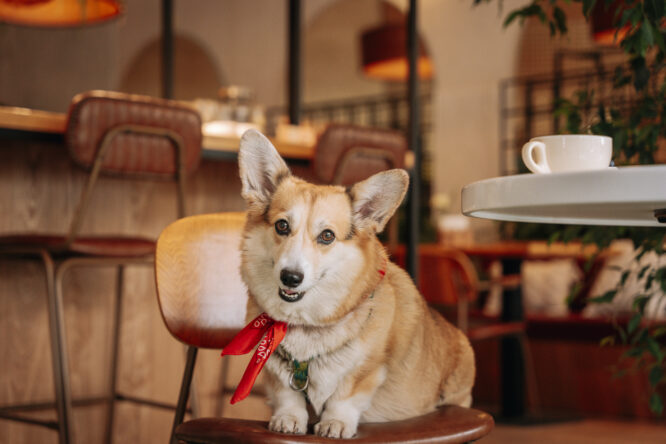
As dog-friendly culture expands, it can create a divide. Dog owners may feel they’re simply including their pets in everyday life, while others feel like their comfort is being pushed aside. That gap doesn’t always lead to open conflict, but it shows up in small ways. People choosing different venues, feeling frustrated in shared spaces, or quietly opting out of places they used to enjoy.
The line between private and public space is starting to blur.
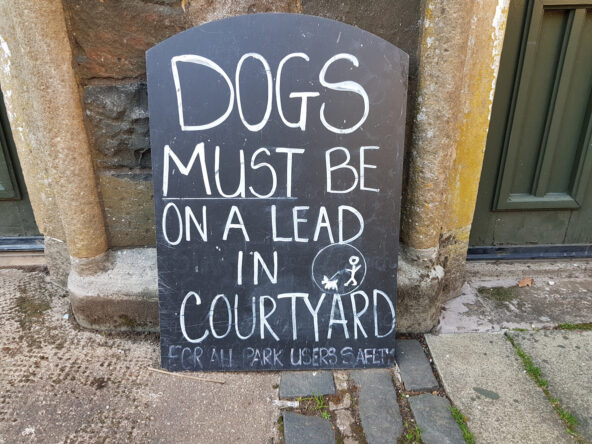
Dogs have always been part of home life, but bringing them into more public environments changes that boundary. Spaces that used to feel neutral now reflect personal choices in a way they didn’t before, and that can make shared spaces feel less predictable. What you expect when you walk into a café or shop isn’t always clear anymore, which can affect how comfortable people feel in those environments.
It’s not about banning dogs, but about balance.

For many people, dogs being part of public life is a positive thing. The issue isn’t their presence, it’s how widespread and expected it’s become, without much thought for those who feel differently. Finding a balance might mean clearer boundaries, better enforcement of rules, or simply recognising that not every space needs to be dog-friendly. When everything leans one way, it can leave many people feeling like there’s no space for them at all.
Let us know your thoughts in the comments.