Running the hoover over the carpets and wiping down the kitchen sides on a regular basis are part of cleaning up, but they’re not the whole picture.
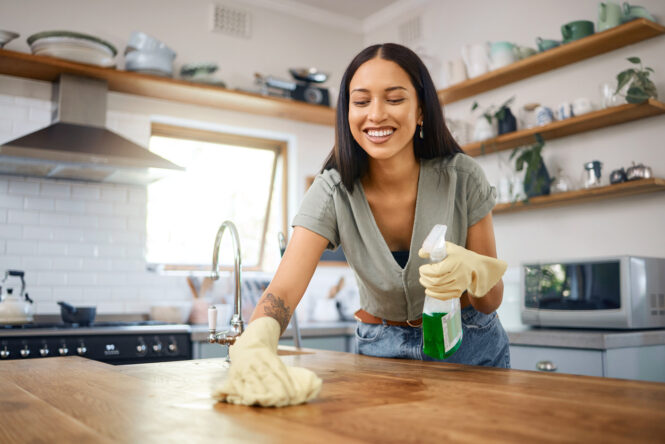
While the obvious spots get plenty of love, there are several things we handle constantly every single day that barely ever see a splash of soap. Because these items are so woven into our daily routines, they hide in plain sight, quietly gathering grease, dust, and grime without us even noticing.
If you’re only giving them a passing glance during your weekly deep clean, you’re missing the exact spots where nasties love to gather. Luckily, giving these overlooked essentials a proper wash is the easiest way to instantly lift the hygiene levels in your home.
Plenty of spots are commonly missed for even the tidiest people.
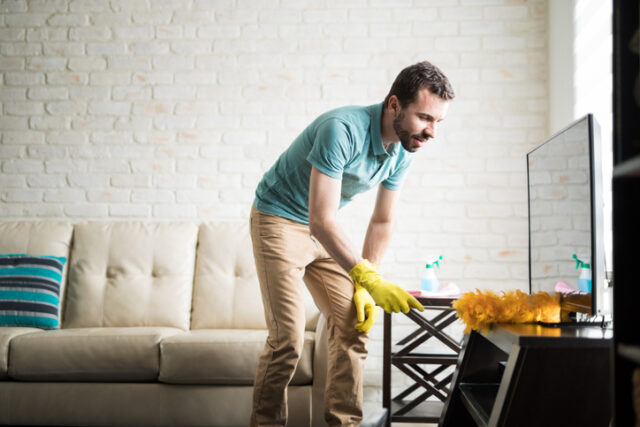
Cleaning professionals often point out that the dirtiest items in your home are hiding in plain sight. We tend to focus on the big visible jobs and skip past the small everyday objects we touch constantly without ever giving them a proper wipe. The result is that some of the most heavily used surfaces in the house end up being the least cleaned, which is exactly how bacteria spreads between family members and how grime builds up faster than you’d think.
These missed spots can quickly become hotspots even in otherwise tidy homes. Thankfully, none of this takes long to sort out. Most of these jobs can be added to your existing cleaning routine without much extra effort, and the difference it makes to your overall home hygiene is genuinely worth the few minutes it takes.
Light switches and door handles
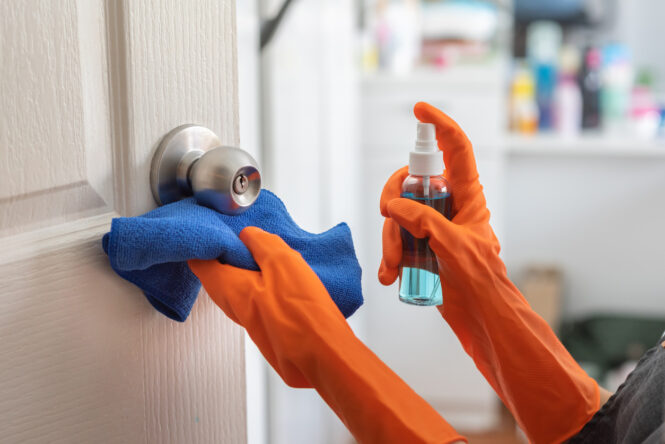
Light switches and door handles are among the most touched surfaces in any home, yet they rarely make it onto a cleaning list. Every time someone comes in from outside, uses the bathroom, or cooks something messy, those fingerprints end up right back on the switches and handles. They’re an easy way for bacteria to travel between household members without anyone realising.
The fix is genuinely simple. A damp microfiber cloth wiped over each one, then buffed dry with a second cloth, takes seconds per surface. Just make sure the cloth is only slightly damp rather than wet, especially when you’re cleaning the light switches themselves. Aim to do this once a week as standard, or more frequently during cold and flu season or if someone in the house is poorly. It’s the kind of small habit that makes a real difference to how often illnesses get passed around.
Remote controls
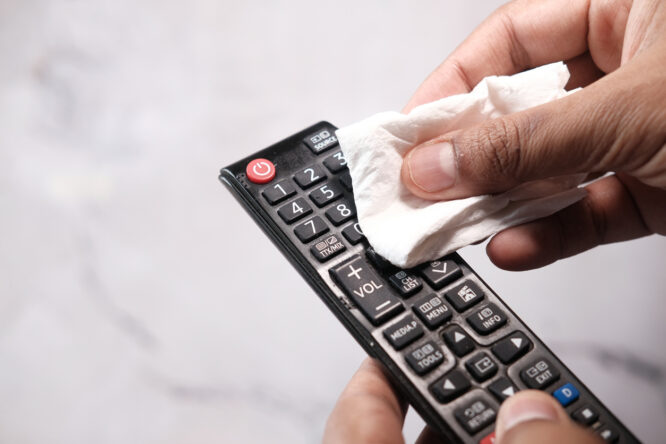
The TV remote sits between us and our snacks for hours every week. It gets handled while we’re eating, with greasy fingers, after we’ve been touching the dog, and during the kind of evenings on the sofa where nobody’s washed their hands for a while. Crumbs, grease, and bacteria build up between the buttons surprisingly fast, particularly in busy households where the remote gets passed around constantly.
A quick weekly wipe with whatever cleaning spray you’ve got to hand, or an antibacterial wipe, makes a noticeable difference. Tip the remote upside down first to shake out any crumbs lurking around the buttons, then run the wipe over the whole surface. It’s a 30-second job that most people never get around to, but once it becomes a habit, you’ll wonder how you let it slide for so long.
Kitchen cupboard handles
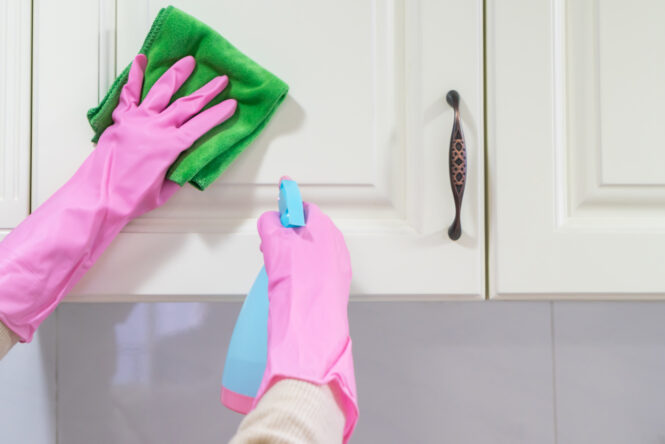
The kitchen counters get a daily wipe-down in most households, but the cupboard handles right above them tend to get forgotten despite being touched just as often. The handles near the bin and near food prep areas are particularly bad, since raw meat juices, vegetable peelings and general kitchen grime all end up on your fingers before you go reaching for the next cupboard.
The trick here is to keep it simple. Wipe the handles down at the same time you clean the counters, using the same cloth or spray. You don’t need to add a separate step or a new product, just sweep the cloth across the handles as you go. The cupboard doors themselves get sticky too, so it’s worth giving them an occasional wipe, but the handles are where the bacteria really collect.
Bedside tables and lamps
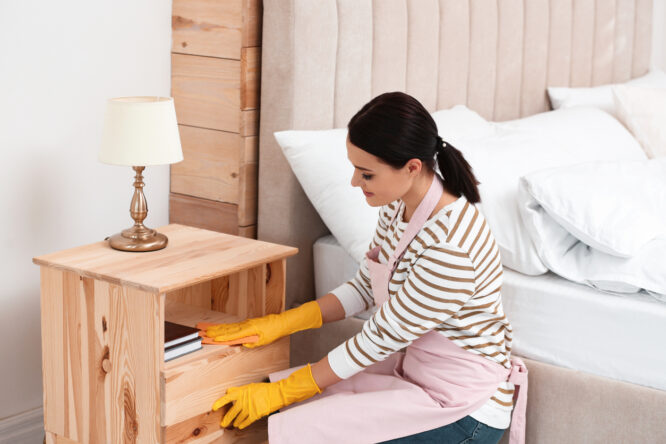
Bedrooms generally feel cleaner than the rest of the house, but bedside tables collect more than most people realise. Phones, glasses, cups of tea, books, hand cream, water glasses and snacks all end up there over the course of a day, leaving behind crumbs, fingerprints and a steady layer of dust. The lamp on top picks up dust on the shade and bulb too, which then gets warmed up every time the light’s on.
A quick wipe over the surface once a week, plus a proper dust of the lamp, keeps things in much better shape. Move things around properly rather than just wiping around them, since dust collects in the corners and behind picture frames. If you have a fabric lampshade, give it a once-over with the vacuum hose on a low setting to lift the dust without damaging the material. It’s a small thing, but a clean, dust-free bedside table genuinely makes the whole room feel calmer.
Upholstery arms and headrests
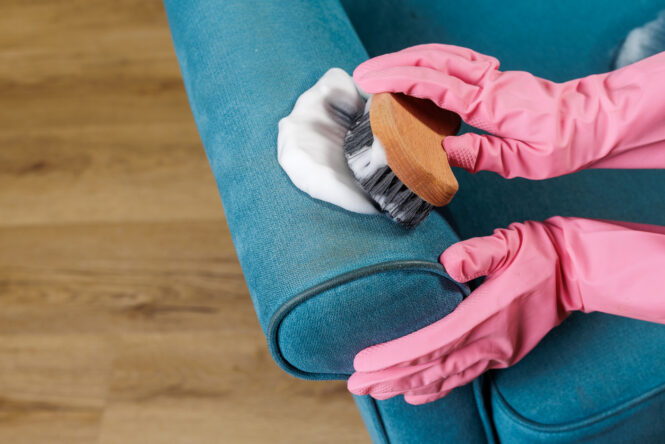
Soft furnishings are sneaky. They can look perfectly clean while quietly absorbing oils from skin and hair, food crumbs from snacking on the sofa, and a steady stream of dust and pet hair. The areas that take the most punishment are the armrests and the headrests, where contact with skin is constant. Over time, these spots can get genuinely grubby without ever looking obviously dirty.
For leather sofas, a regular wipe with a soft cloth and the right cleaner keeps the surface in good condition and prevents oil build-up from breaking down the leather over time. For fabric sofas, a steam clean every few months works wonders, and a handheld vacuum used weekly stops dust and debris from settling deep into the cushions. Studies looking at household sofas have found they can harbour considerably more bacteria than a toilet seat, which is the kind of statistic that genuinely changes how you look at your living room.
Why staying on top of these makes such a difference
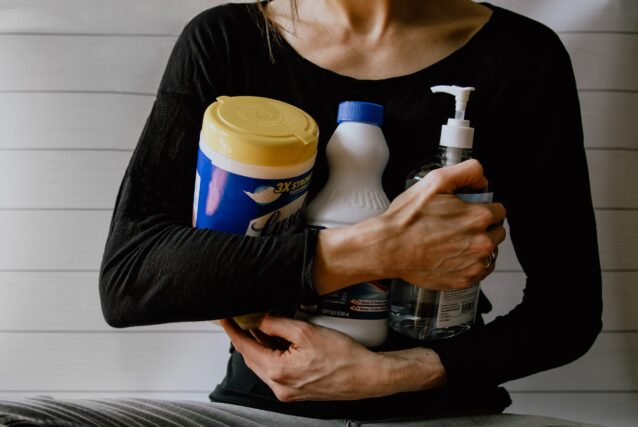
None of these jobs are big or complicated. The reason they slip is simply that they don’t feel urgent compared to a stack of dirty dishes or a muddy floor. Adding them to your regular weekly cleaning routine takes very little extra effort, and the cumulative effect on your home hygiene is genuinely important.
If you’ve ever had a winter where every cold seemed to bounce between everyone in the house, or noticed your sofa starting to smell a bit funky after a year or two, the chances are these missed spots played a part. Looking after them properly also extends the life of your furniture and fittings, which saves money in the long run. A few minutes a week is all it takes to keep your home properly clean rather than just looking clean, and that’s a difference worth making.