If you park under trees regularly, you’ll know the frustration of coming back to a car covered in bird mess.
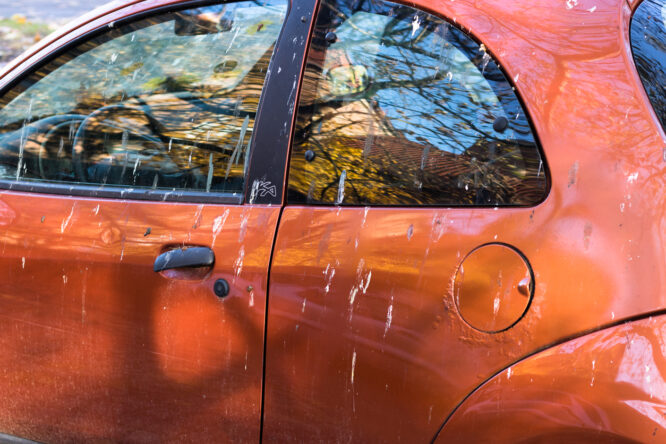
It looks unpleasant, but the real problem goes beyond appearances. Bird droppings are actually damaging to paintwork, and the longer they sit in the sun, the worse the outcome. Understanding why they’re harmful and how to deal with them quickly makes a real difference to keeping your car in good condition long term.
Birds don’t urinate and defecate separately the way humans do. What lands on your car is both combined, and the liquid part contains uric acid, which can eat into the clear protective layer on top of your paint. The solid part often contains grit and seed remnants, which scratch that same layer if you try to wipe the mess off without softening it first. Warm weather speeds up the damage in a big way, so a dropping that might take days to cause a problem in October can start etching the surface within hours on a hot summer day.
Ceramic coatings help, but they’re not invincible.
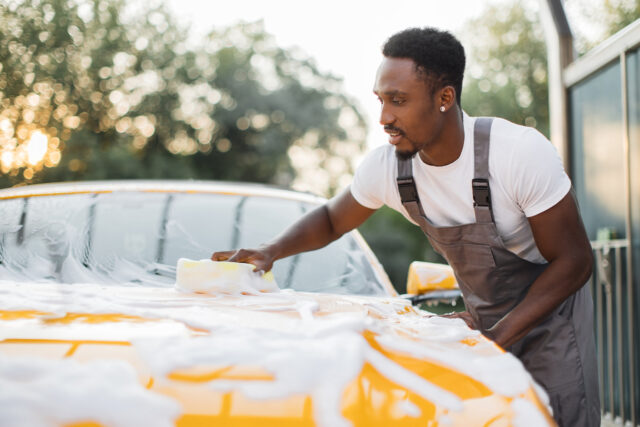
A ceramic coating is one of the best things you can do for your car’s paint protection. It’s a liquid polymer applied over the paintwork that forms a much harder, more acid-resistant layer than the standard clearcoat underneath. Standard car paint rates at around 3H to 4H on the pencil hardness scale used to measure paint durability, while a properly applied ceramic coating typically reaches 8H, which is considerably tougher.
That said, ceramic coatings aren’t permanently immune to bird droppings. If the mess is left long enough, especially in warm weather, the acid can still start working through the coating. The coating buys you more time than bare paint, but it doesn’t eliminate the need to clean droppings off promptly. The sooner you deal with it, the better the outcome, regardless of what protection you have underneath.
The right way to remove bird droppings without causing scratches.
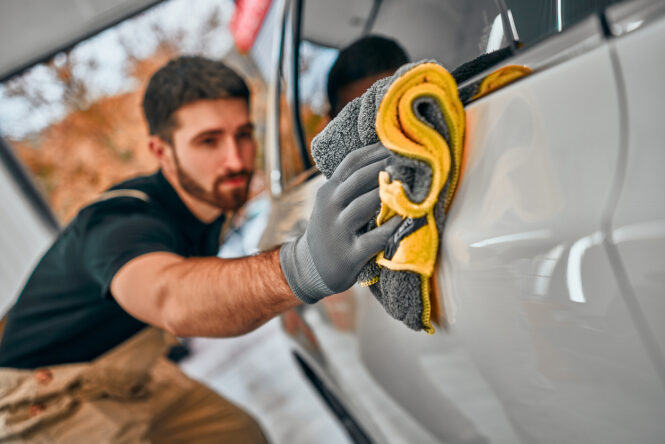
The single most important rule is to soften the mess before you try to remove it. Rubbing dried droppings vigorously is one of the most common causes of fine scratches on car paintwork because the grit inside acts like sandpaper against the surface. Soak a microfibre cloth in water, lay it directly over the dropping, and leave it there for a couple of minutes. If it’s already dried and hardened, give it five to ten minutes.
Once it’s had time to soften, rinse the cloth and use it to dab the dropping away, rather than wipe or rub it. If it doesn’t all come off in one go, soak it again rather than applying more pressure. One important thing to avoid is kitchen roll. It feels soft, but it’s actually abrasive, particularly when wet, and it breaks apart and leaves residue on the surface too. A microfibre cloth is far gentler and more effective, and you might want to keep one in the boot specifically for this.
Specialist sprays can make the job easier.
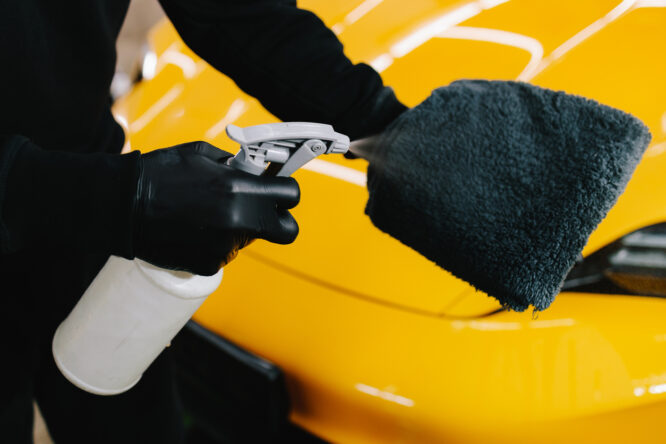
There are various bird dropping removal sprays available from car accessory shops and online, typically priced between £8 and £18 for a hand spray bottle. These work by chemically softening the deposit, which means you can spray, wait five to ten minutes for dried mess, and then dab it away with a soft cloth. They’re particularly useful for droppings that have been baked on in the sun and are stubbornly hard to remove with water alone.
Wet wipe versions of these products are also available and are handy to keep in the glove box for dealing with fresh droppings on the go. The same principle applies: lay the wipe over the dropping and give it time to work rather than rubbing immediately. If it doesn’t lift everything in one go, use a fresh wipe rather than scrubbing harder. The chemistry does the work — pressure just adds the risk of scratching.
A half car cover is worth considering if you park under trees regularly.
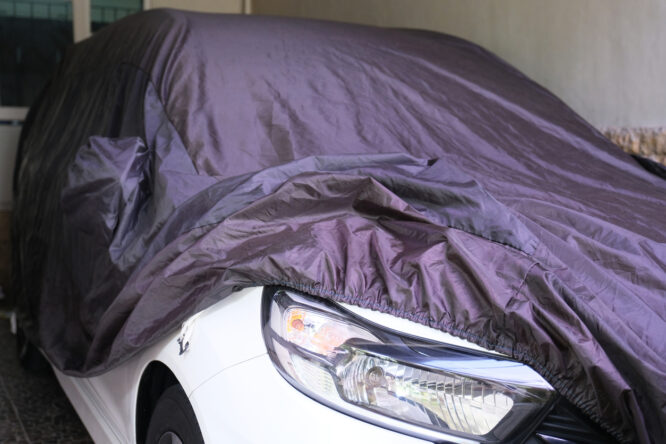
If bird droppings are a daily problem rather than an occasional one, a half car cover is a practical and relatively inexpensive solution. These covers sit over the windscreen and roof without extending down to the bonnet, making them quick to put on and take off. They protect the areas most likely to be hit and can be hand-washed when they get particularly dirty. Prices generally run from around £20 to £30, with machine-washable versions available at slightly higher prices.
It might feel like an unnecessary extra step, but the cost of permanent paint damage from bird droppings that have been left too long is considerably higher. Marks that don’t come out with cleaning can knock a meaningful amount off a car’s resale value, and on a leased vehicle, they can result in charges at the end of the contract. A cover that takes thirty seconds to remove each morning compares favourably to either of those outcomes.
What to do if the damage has already happened
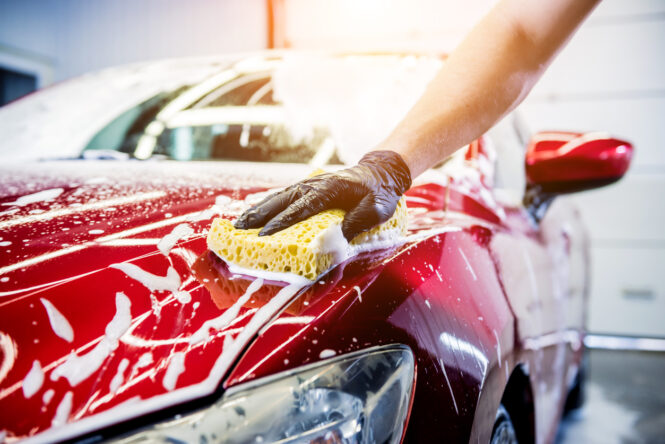
If you’re already seeing marks in the clear coat that don’t come away with cleaning, they can often be polished out rather than requiring a full respray. This is more involved than simple cleaning and requires some care, so if you’ve never done it before, contact a car detailing specialist or body shop rather than attempting it yourself and risking making things worse.
If you’re comfortable having a go, the process involves lightly sanding the affected area with progressively finer grades of wet and dry sandpaper, working through 1,000, then 2,000, then 3,000 grade with plenty of water, before polishing with a fine finishing compound using a polishing disc on a drill. Work slowly and check progress regularly, since going through the clearcoat entirely means exposing the coloured paint underneath. Finish with a good car wax, ideally one containing carnauba. One thing to be aware of is that this process will remove your ceramic coating in the area you’ve worked on, so you’d need to reapply it to restore full protection.
Can you make the council pay for the damage?
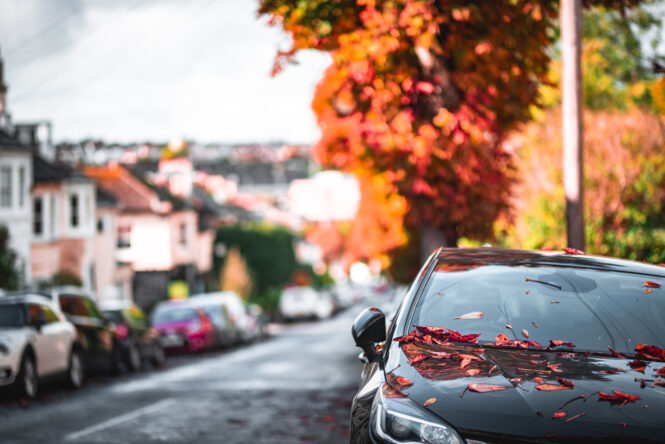
If the source of the problem is a council-owned tree and your paintwork has been damaged as a result, the answer is almost certainly no. Most local authorities take the position that bird droppings are a natural occurrence they can’t be held responsible for, and this view is broadly consistent across councils in England. They typically class it alongside fallen leaves, blossom, and other seasonal tree activity as something they don’t accept liability for.
Where a tree’s branches overhang your private property rather than a public road, you do have the right to cut back the overhanging section yourself, provided there’s no tree preservation order in place, and you don’t disturb any nesting birds in the process. You’re also legally required to offer the cut branches back to the council, though they don’t have to accept them. For most situations involving on-street parking under a council tree, the practical answer remains damage limitation rather than compensation, which makes prompt cleaning and good paint protection the most useful tools available.