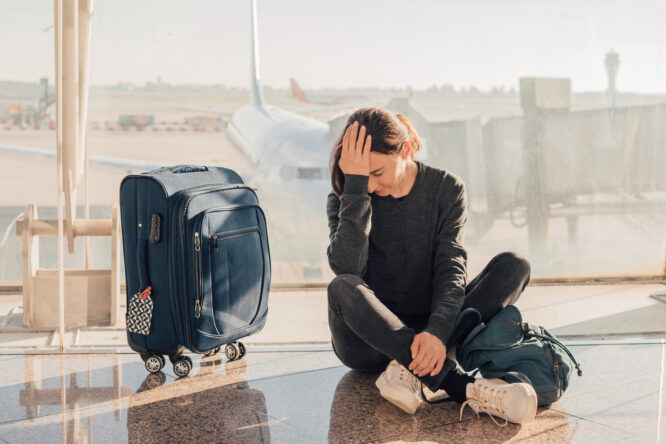
Few things ruin the start of a holiday quite like being marched aside at the boarding gate, told your bag is too big, and hit with a painful fee.
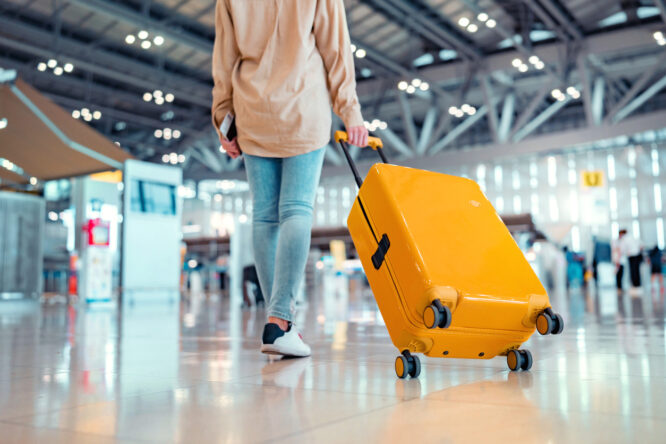
Budget airlines in particular have made airline baggage one of the trickiest costs to manage, with rules so strict that even a bulging side pocket can land you with an extra charge. Thankfully, there are a handful of clever tricks and useful tips to keep your luggage costs down and avoid being stung at the gate. Here’s the full lowdown.
Airline baggage fees keep climbing.
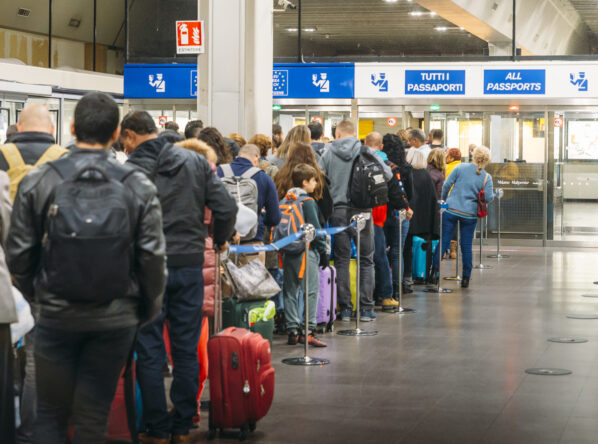
The reason your cabin bag suddenly costs more than your seat is that low-cost airlines have turned baggage into a serious profit centre. Headline ticket prices are deliberately stripped down to look as cheap as possible, then the extras get bolted on one by one. A few pounds here for seat selection, a tenner there for priority boarding, and another £20 to £40 for the kind of bag your grandparents would have called a suitcase.
Gate fees are designed to be even worse, often pushing past £70 for a bag the airline reckons is too big. The airlines know full well that passengers have no choice at the boarding gate, since you’re either paying or missing the flight. That power imbalance is exactly why some of the most common tactics for keeping costs down focus on outsmarting the system before you ever reach the airport.
The duty-free bag trick is worth knowing.
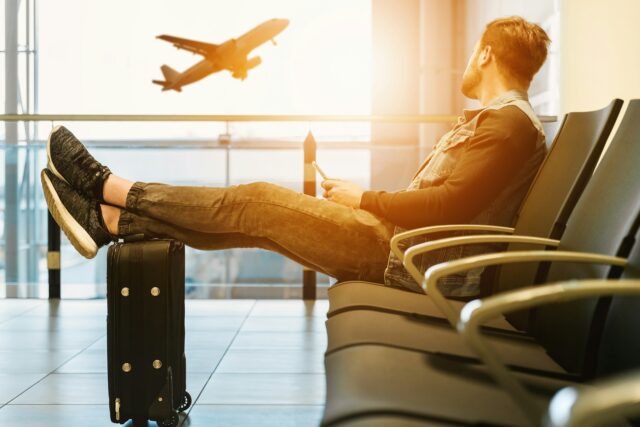
One of the simplest and most effective ways to sneak an extra bag onto a flight is to use a duty-free shopping bag. Most airlines, including the budget ones, allow you to bring a standard-sized duty-free bag on board for free in addition to your main cabin bag. Once you’re through security, pop into a duty-free shop or any airport store, buy something small, and ask for a carrier bag.
You can then quietly transfer some of your heavier items, like toiletries, books or shoes, into the duty-free bag before reaching the gate. Since these bags are rarely weighed, it’s a brilliant way to get around the cabin bag limit without much risk. Gate staff are getting wise to this trick, though, so don’t overstuff the bag, and keep your receipt in case anyone asks you to prove that you actually bought something.
Learn and practise the travel pillow hack.
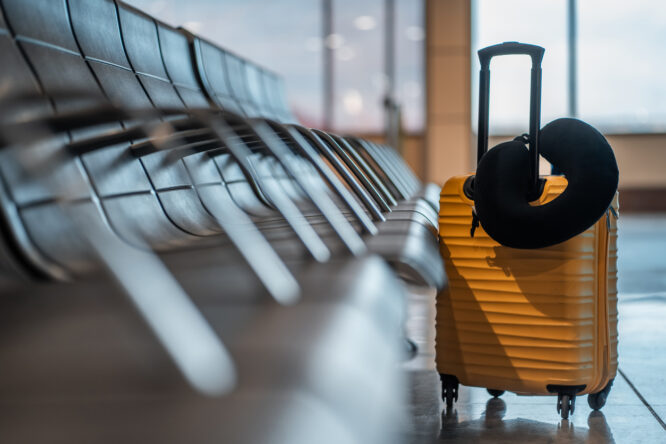
The other clever workaround is the empty travel pillow trick. Buy a zippered travel pillow that opens up, then stuff it tightly with soft clothes like jumpers, t-shirts and socks. Zip it back up and pop it around your neck when boarding, and to most gate agents it just looks like a regular travel pillow.
The key here is sticking to soft items only. Hard objects like shoes or chargers will make the pillow look lumpy and instantly draw attention. Stick to clothes, and don’t try this with a full-sized pillow, since gate agents are far more likely to question something that looks oddly large. Done well, it’s a quietly brilliant way to bring along an extra outfit or two without any extra fee.
Don’t fall for upgrade pop-ups when booking.

When booking a budget flight, you’ll often be hit with upgrade prompts encouraging you to switch from a basic fare to a “regular” or “plus” fare that includes a bigger cabin bag and other extras. The pop-ups make it look like you’re getting a deal, but in most cases you’ll save more by sticking with the basic fare and adding luggage separately later in the booking process.
This is especially true for families. One investigation found that booking a regular fare for a family of four could cost over £60 more than buying the basic fare and adding identical cabin bags, priority boarding and seat selection one by one. The “package” upgrades are designed to look convenient, but they’re rarely the cheapest option. A few extra minutes spent adding individual extras can save you a noticeable chunk of money.
Compare budget and full-service airlines properly.

If you genuinely can’t pack light, it might be worth giving up on no-frills airlines altogether. Some full-service airlines, like British Airways or Jet2, include both a personal item and a larger cabin case as part of their standard fares. Once you factor in all the extra costs of luggage with a budget airline, a full-service ticket often comes out cheaper or only marginally more expensive.
The trick is to do a like-for-like comparison rather than just looking at the headline fare. Add up the cost of the cabin bag, hold bag, seat selection and any other extras you’d need on the budget airline, then compare that total against the all-in fare from a full-service one. The result often surprises people, especially for longer holidays where you’ll definitely need a hold bag anyway.
Packing cubes might not be worth it.
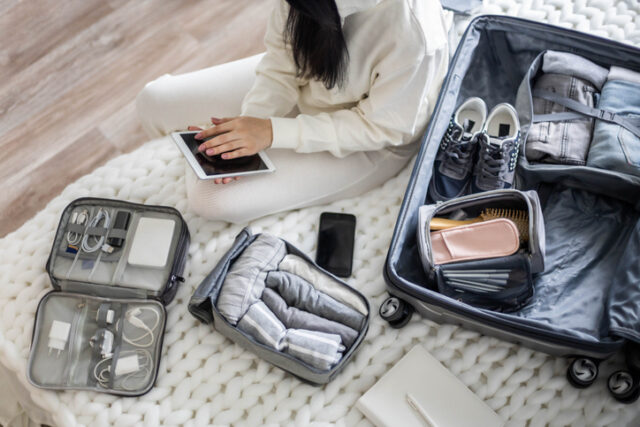
Packing cubes are everywhere on social media right now, with influencers swearing they help you cram twice as much into your suitcase. Some are marketed specifically as compression cubes, claiming to squeeze excess air out of your bag so you can fit more in. Testing has found that this often isn’t actually true.
When packing cubes were tested against simply folding clothes neatly into a suitcase, the cubes typically fit less in, not more. Where they really help is keeping your suitcase tidy, with shirts in one cube, socks in another and so on. That can be useful if you want to grab something without unpacking the whole thing. But if you’re spending £50 on cubes purely to save luggage space, you’d often be better off folding carefully and keeping the cash for your holiday.
You do have rights if you’re charged at the gate.
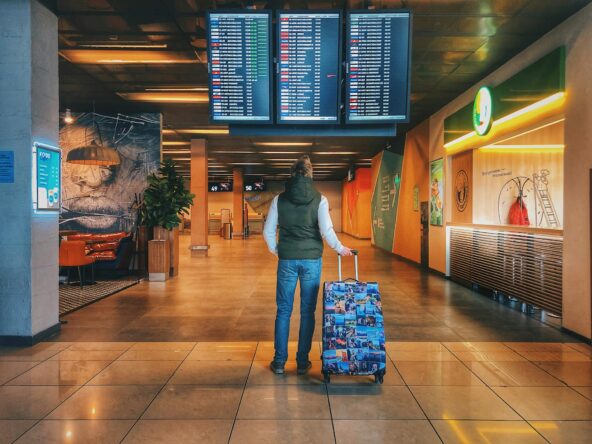
If you do get stopped at the gate and asked to pay a fee, you do still have rights. Most airlines say the final decision on bag size rests with their ground crew, but if you believe you’ve been charged unfairly, you can challenge it after the flight. The trick is gathering evidence in the moment, even while you’re being marched off to the desk.
Take photos of your bag in the sizer from multiple angles, and ask for a paper or digital receipt for the fee you’ve paid. Note the gate number, flight number and the exact time you were charged. When you get home, take photos of the bag next to a tape measure to prove its dimensions. With this evidence, you can make a formal complaint to the airline. If they refuse to refund you, escalate to the airline’s alternative dispute resolution scheme, or to the Civil Aviation Authority for airlines without one.
What to do if your bag genuinely is too big
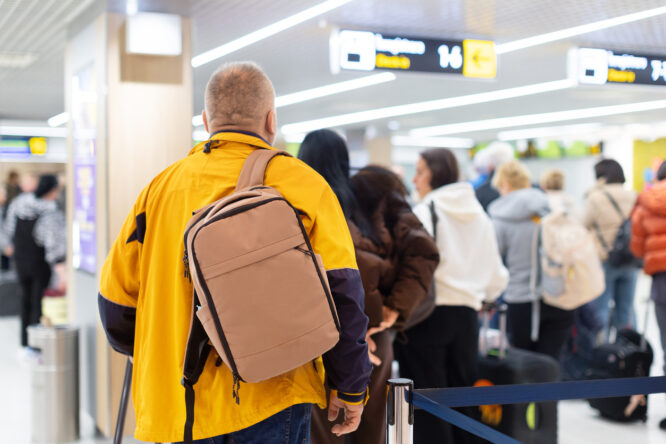
If you realise a few hours before your flight that your bag is going to be too big, don’t head to the gate hoping for the best. Gate fees are deliberately the most expensive option, often double or triple what you’d pay if you sorted it out beforehand. Hop online and pay for a bigger bag through the airline’s website while you still can. Even if the online check-in window has closed, paying at the check-in desk is usually still cheaper than waiting until the gate.
For a budget airline, the difference can be significant. Paying for a larger bag at check-in might cost you around £36 to £40, while letting it go all the way to the gate could land you with a fee of £46 to £60. It feels annoying either way, but at least you’re paying the smallest possible amount for your mistake.
Pack smart and travel smarter.
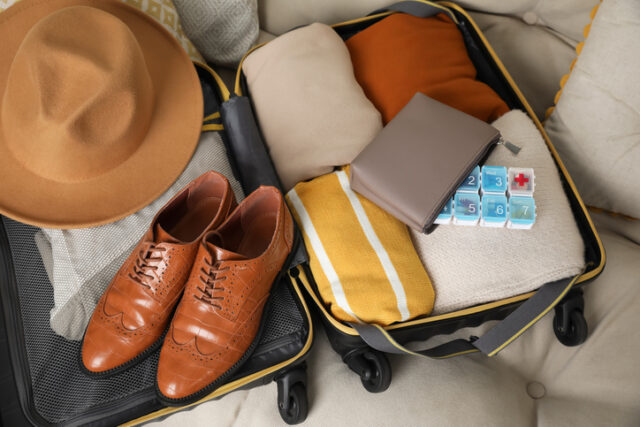
The honest truth about airline baggage is that the rules are designed to catch people out, and the airlines know full well that frazzled travellers will pay almost anything to avoid missing a flight. The best defence is doing the maths properly before you book, packing thoughtfully, and using the small tricks that are still genuinely allowed under the rules.
Weigh your bag at home before you leave, pack the heaviest items in a duty-free bag once you’re airside, and don’t fall for upgrade prompts that look like a deal but rarely are. A bit of planning before you fly means you spend your money where you actually want to, which is on your holiday, rather than on a stressed-out conversation at the boarding gate.