Wild camping has shot up in popularity over the last few years, with social media full of dreamy clips of tents pitched on misty hillsides.
Many walkers assume that National Parks are fair game, or that a “right to roam” means they can sleep wherever they like, only to be woken up by an angry landowner with a torch. The rules change completely the moment you cross the Scottish border, and even the famous exceptions in England have been dragged through the highest courts in the land over the last couple of years.
Before you pack your rucksack and head for the hills, you need to understand where you’re legally protected and where you’re technically committing civil trespass.
What “wild camping” actually means
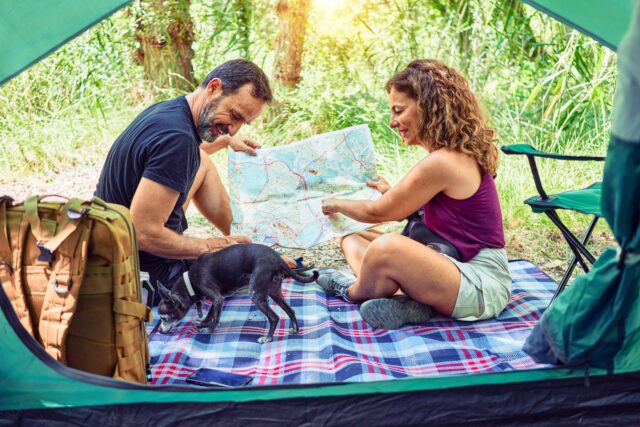
Wild camping is the idea of stepping away from official campsites and choosing your own spot for the night, somewhere out in the open countryside. The true definition is camping without the express permission of the landowner, which is the bit that trips a lot of people up. Done right, it’s all about being out in beautiful, quiet corners of the country, far from the crowds and the noise of everyday life.
It tends to attract walkers and backpackers, though more recently campervans, motorhomes and caravans have got in on the act too. The key thing to know, though, is that in the parts of the UK where wild camping is actually allowed, the rules only really cover tent campers arriving on foot, by bike or by boat. Pulling up in a campervan and parking overnight is a completely different thing.
Is it actually legal in the UK?
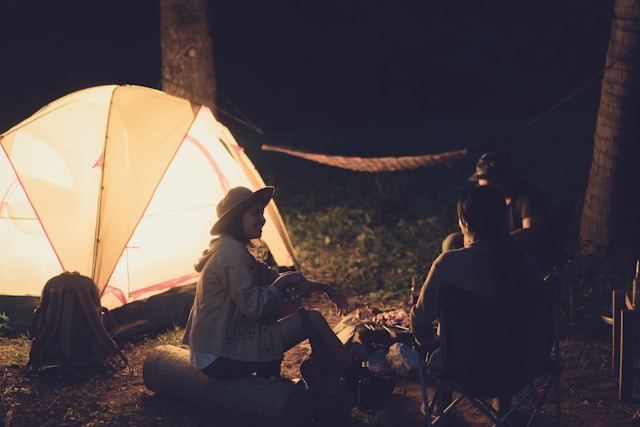
The honest answer is that it’s more complicated than most people think. The UK has had laws around camping since the 1930s, and modern rules sit on top of those original pieces of legislation. The result is that wild camping isn’t a single national rule, but a patchwork that varies depending on where in the UK you are.
Scotland is by far the most relaxed about it, while England, Wales, and Northern Ireland are much stricter. In other words, blanket advice rarely works, and doing a bit of homework before you head off can save you a lot of bother once you get there.
The rules in England, Wales, and Northern Ireland are all different.
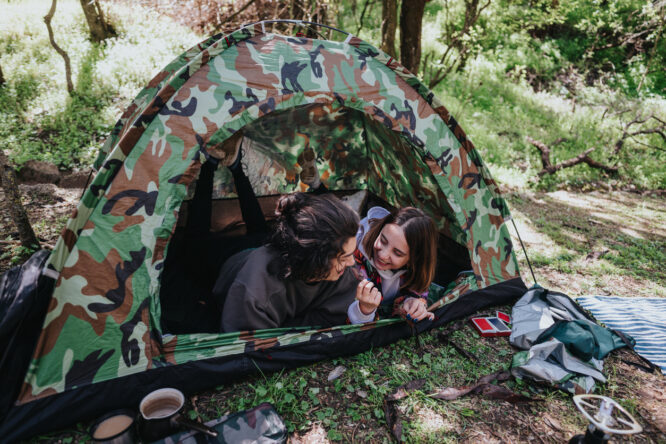
Here’s the bit that surprises a lot of people. In England, Wales, and Northern Ireland, wild camping is technically illegal. There are laws that let the public access certain open countryside, like mountains, moors and common land, for general outdoor activities. However, camping on it is specifically not allowed, so if you pitch a tent for the night without permission, you’re really trespassing in the eyes of civil law.
The way around it is genuinely simple, though. If you ask the landowner first, and they say yes, you’re free to camp on their land, even when it’s not an official site. Plenty of farmers and estate owners are surprisingly accommodating, particularly if you’re polite, respectful and clearly not going to cause any hassle. The worst they can say is no.
There’s one English exception worth knowing.
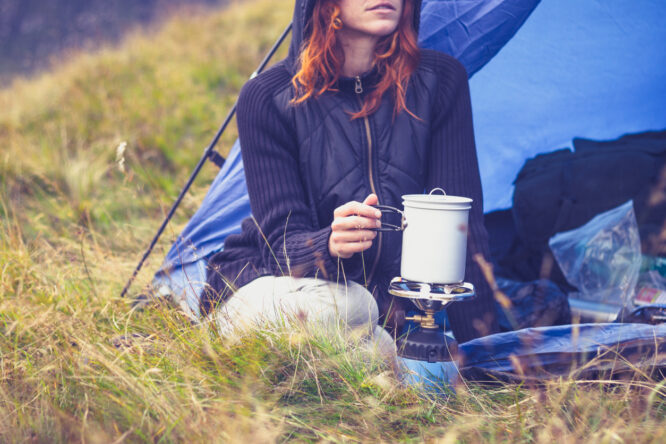
Dartmoor is the one part of England where the rules genuinely are different. Within certain areas of Dartmoor National Park, you’re allowed to wild camp for a night or two, provided you carry all your gear in yourself and pitch up out of sight of roads and any settlements.
It’s the closest thing England has to a legal wild camping spot, and it’s worth knowing about if you fancy giving it a go without the usual permission hassle. The catch is that not every part of the moor is fair game, so you’ll want to check the specific areas before you head out. Going by the guidance keeps you on the right side of the rules.
Scotland is a whole different story.
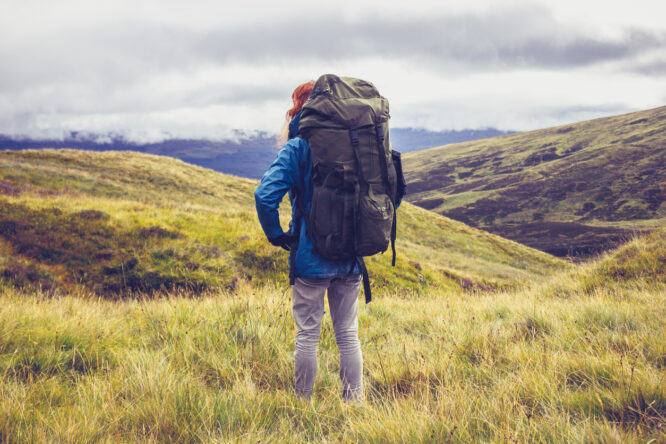
If you genuinely want to wild camp legally in the UK, Scotland is the place to do it. Scottish law gives the public the right to access most land and inland water for leisure, and that includes pitching a tent on unenclosed ground. There’s an outdoor access code which spells out what you can and can’t do, and it’s well worth a read before you set off.
The main misconception is that Scotland lets you camp absolutely anywhere, which isn’t quite the case. There are sensible limits, a set of common-sense rules, and certain spots where extra restrictions apply. As long as you stick to the code and use a bit of judgement, though, you’ve got an enormous amount of country to explore.
The Scottish rules in plain English are pretty straightforward.
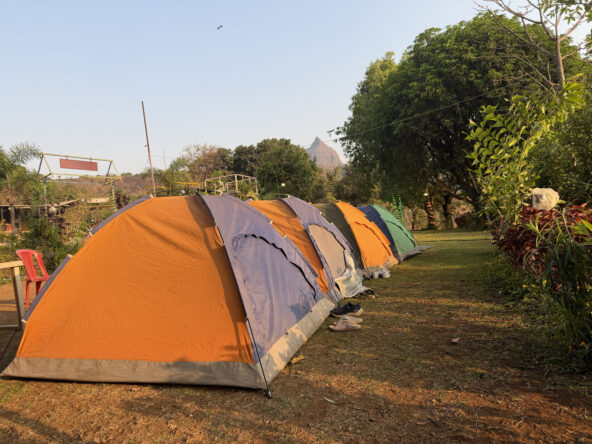
If you do head north for a wild camping trip, there are a handful of guidelines worth keeping in mind. You need to arrive under your own steam, whether that’s walking, cycling or by water, so this isn’t about driving up and parking. You shouldn’t be camping as part of a big organised group, and you shouldn’t stay in the same spot for more than two or three nights.
If a landowner asks you to move on, you do. Obey any signs that say camping isn’t allowed in a particular area, and always ask permission if the land is enclosed or clearly private. Leave the spot exactly as you found it, taking every scrap of litter and waste home with you. And give campfires a miss, however tempting they look because they can do real damage to the land and pose a genuine danger to you too.
A note for campervans and motorhomes
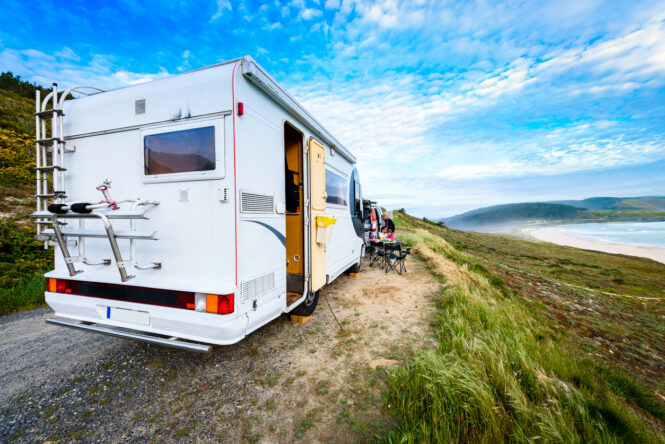
This bit catches a lot of people out. Even in Scotland, the right to wild camp only really covers tent campers arriving on foot, by bike or by boat. It doesn’t cover campervans, motorhomes or caravans pulling up wherever they fancy for the night. There’s one notable exception, in Loch Lomond and the Trossachs National Park, where a permit system covers both tent camping and motorhome stays within certain managed zones.
Outside spots like that, the rest of the UK really does expect motorhomes to stay on actual sites or in officially permitted overnight spots. Knowing this in advance saves an awful lot of awkward conversations with farmers and rangers.
Can you wild camp in the Lake District?
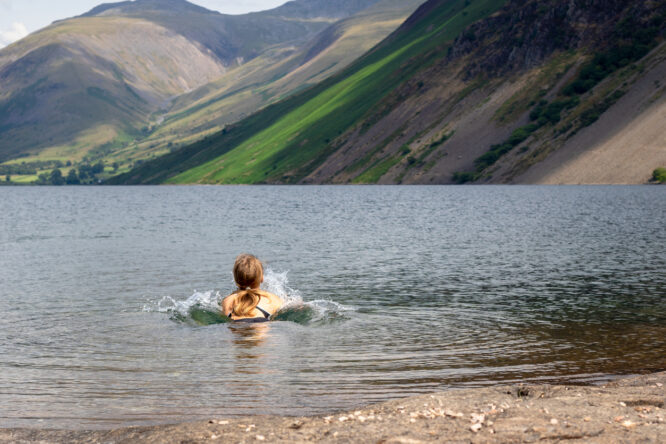
This one comes up constantly because the Lake District is one of the most popular national parks in the country, and it looks like exactly the place you’d want to pitch a tent. The answer, though, is that you can’t simply wild camp there freely. Unless you’ve got specific permission from a landowner, or you’re staying on a proper campsite, you shouldn’t be spending the night anywhere in the park.
Plenty of people do, but they’re technically breaking the rules, and the strain on the landscape from unauthorised camping has been a real and growing problem. If the Lakes are calling, the kindest and most legal approach is to book a campsite with the views you fancy and enjoy it from there.
The unwritten rules matter just as much.
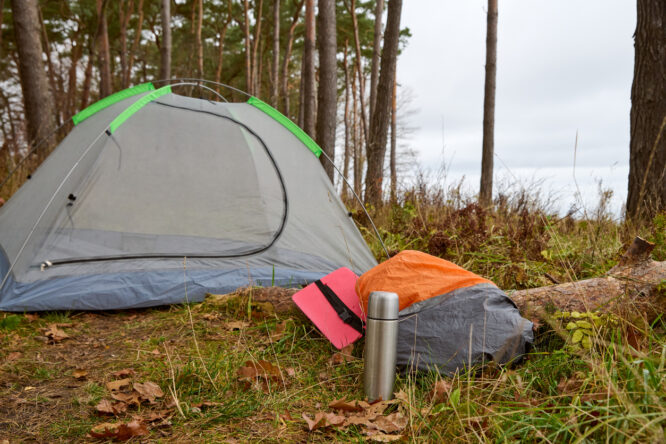
Whatever the legal position where you are, there’s a layer of common-sense etiquette that genuinely matters when wild camping. Don’t pitch up right next to someone’s house or in the middle of a working field. Keep your group small, keep noise down, and arrive late and leave early so you’re not visible all day.
Take every bit of rubbish home with you, including the things you might be tempted to bury or burn. Go to the loo well away from water sources and bury anything you have to. Leave the spot looking better than you found it, if anything. None of this is in any law, but it’s how the whole thing keeps working, and it’s why responsible wild campers continue to be welcomed in the places that do allow them.