Religion can bring comfort, community, and a sense of purpose, but that doesn’t mean everything it teaches makes sense when you really stop to think about it.

Plenty of people who grew up in religious households or communities were told certain things as absolute truths, only to question them later and wonder, “Wait, how did I ever believe that?” Some of these beliefs are outdated, contradictory, or just flat-out bizarre once you start looking at them with fresh eyes. Here are some strange things religion has often asked people to believe, whether they made sense or not.
1. Doubt is dangerous.

Many religious settings treat questioning as a threat to faith, when in reality, asking questions is how people grow. However, instead of encouraging curiosity, doubt often gets painted as disloyalty or weakness. This creates a kind of mental trap where you’re meant to accept everything without thinking too hard. The irony is, if a belief system can’t handle questions, maybe it’s not as strong as it claims to be.
2. Suffering is always part of a divine plan.

When bad things happen, people are often told it’s all “part of God’s plan.” It’s meant to be comforting, but it can feel dismissive, especially when someone’s in deep pain and looking for real support, not a cosmic explanation. It also implies that suffering is somehow necessary or meaningful by default, which can stop people from properly processing or pushing back against injustice. Sometimes suffering is just… suffering. It doesn’t always have to be a test or a lesson.
3. You were born broken.
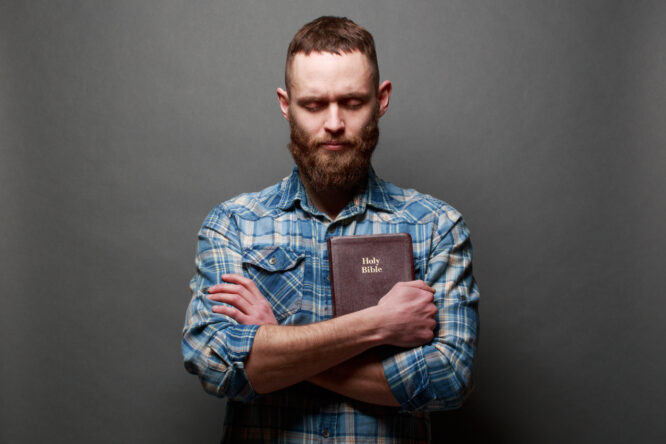
Some belief systems start with the idea that you’re flawed from birth and need saving. That’s a heavy foundation to build a life on, especially for kids growing up hearing that they’re “not enough” without divine forgiveness. Instead of being taught that they’re valuable as they are, people are often told they’re fundamentally wrong until they repent, obey, or believe the right thing. It’s a setup that can take years to untangle from.
4. Physical intimacy is shameful unless it meets certain conditions.

Many religions go all-in on sexual control: what’s allowed, what’s not, and who’s allowed to enjoy it. Pleasure outside certain rules gets labelled as sinful, dirty, or something to be deeply ashamed of. That messaging can leave people with anxiety, guilt, or confusion that sticks around well into adulthood. Everyone needs boundaries, of course, but it’s about whether the shame attached to normal human experiences is really necessary or healthy.
5. Your identity only matters if it fits the mould.

If who you are doesn’t line up with the traditional expectations, whether it’s your sexuality, gender, or even your personality, you’re often made to feel like a problem that needs fixing. Many people raised in religious spaces learn to hide parts of themselves just to stay accepted. That pressure to conform doesn’t lead to deeper faith. It leads to internal conflict and self-erasure.
6. Obedience equals goodness.

Religious environments often reward those who follow the rules without question, equating obedience with moral superiority. However, doing what you’re told isn’t always the same as doing what’s right. When goodness is tied to compliance, people stop trusting their own judgement. They get praised for going along with things, even when those things feel unfair, harmful, or downright wrong.
7. All other belief systems are dangerous.

Plenty of people were told from a young age that anything outside their religion was either evil, misguided, or a threat to their soul. That kind of thinking shuts down empathy and understanding before it even has a chance to grow. It teaches people to stay in echo chambers where everyone believes the same thing. Of course, spiritual maturity doesn’t come from fear. It comes from listening, exploring, and staying open to nuance.
8. Your body is a temptation.

Religious teachings often frame the body, especially women’s bodies, as something dangerous, something that could lead others to sin. Modesty isn’t just about choice; it becomes a way to avoid being blamed. This teaches people to see their physical selves as something to manage, hide, or feel ashamed of. That disconnect between your body and your worth can mess with your self-image for years.
9. Leadership is automatically trustworthy.

Many religious systems create hierarchies where leaders are treated as spiritually superior or even chosen by a higher power. That dynamic can make it hard to question them, even when they’re clearly in the wrong. Blind trust creates space for abuse, manipulation, and unchecked power. Being religious shouldn’t mean handing over your critical thinking to someone just because they’re wearing a collar or preaching from a stage.
10. Guilt is a spiritual tool.

Guilt is often baked into religious life: confess this, feel bad about that, and constantly examine yourself for flaws. It’s framed as a sign of moral awareness, but it can become a cycle of self-blame that’s hard to escape. Used too often, guilt stops being a guide and starts being a form of control. It makes people easier to lead, easier to correct, and harder to trust themselves. Instead of spiritual strength, it’s plain old emotional exhaustion.
11. Men and women should stay in their “roles.”

Gender roles in religion are often presented as sacred, not social. Men lead, women serve. Men speak, women listen. It’s dressed up as divine order, but it’s really just old-fashioned hierarchy. This messaging limits people’s choices and makes them feel guilty for wanting something different. It doesn’t reflect real life, and it doesn’t reflect the value of people as individuals, beyond their gender.
12. Faith should override logic.
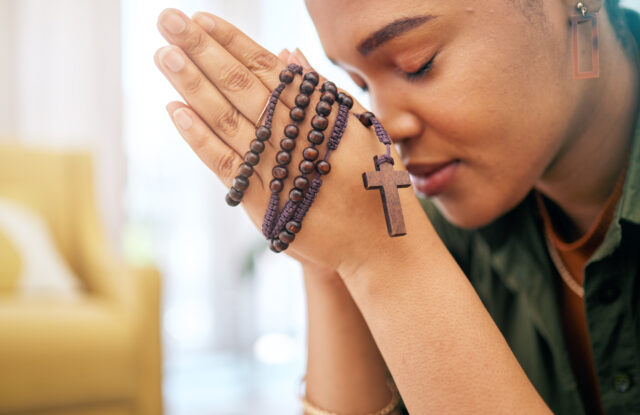
In some circles, logic is treated as the enemy of belief. You’re told not to lean too hard on your own understanding, or you risk falling away. However, being curious and rational doesn’t cancel out spirituality. People shouldn’t have to pick between thinking and believing. If something only works when you stop asking questions, maybe it needs a second look.
13. Everything happens for a reason.

This idea gets thrown around to make sense of tragedy, but sometimes it just adds more confusion and pressure. People are left trying to figure out what “lesson” they were supposed to learn from something awful. Not everything has a grand design behind it. Sometimes things are random, unfair, or painful with no deeper meaning. Pretending otherwise can stop people from grieving properly or holding the right things accountable.
14. You have to earn love.
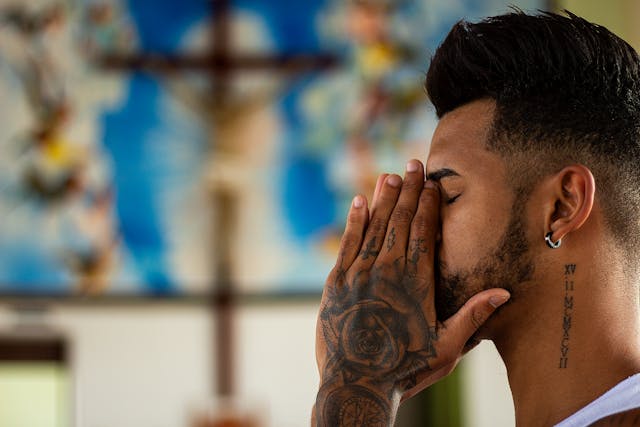
Despite all the talk of unconditional love, many religious spaces still operate with a reward system. Be good, stay pure, follow the rules, and then you’ll be accepted. Break them, and you’re out. That kind of conditional acceptance doesn’t feel like love. It feels like pressure. For a lot of people, it teaches them to fear rejection more than they feel genuine belonging.