It sounds like it should be the perfect setup: blazing sunshine, everyone cranking up the air conditioning, and your solar panels sitting right there on the roof soaking it all in.
Unfortunately, that’s not quite how it works, and the reality is a bit annoying when you first hear it. Solar panels actually get less efficient the hotter they are, which means the days you need them most are often the days they’re performing the worst. That doesn’t mean they’re not worth having—they’re extremely environmentally friendly and can still save you money on your energy bills—but they do have their downsides, and this is one of them.
Why is heat a problem for something powered by sunlight?
Solar panels work by capturing photons from sunlight and using them to knock electrons loose inside the panel’s material, which creates a flow of electricity. That part works brilliantly. The issue is that heat makes electrons restless in a way that interferes with the whole process. When temperatures climb, electrons inside the panel start moving around on their own without being directed anywhere useful, which disrupts the clean flow needed to generate electricity efficiently.
The result is a drop in voltage, which is essentially the pressure that drives the electrical current. Less voltage means less power output, and the effect compounds as temperatures rise. It’s not a catastrophic failure, the panels don’t stop working, they just deliver noticeably less than they’re capable of on a cooler, sunny day.
There’s a temperature tilting point where things start going wrong.
Solar panels are tested and rated at 25 degrees Celsius, which is the benchmark manufacturers use when they publish efficiency figures. That’s a comfortable spring day, not a July heatwave. For every degree the panel temperature rises above that 25-degree mark, efficiency drops by around 0.5%. That might not sound like a big deal until you factor in that panels sitting in full sun during a heatwave can reach 65 degrees Celsius or higher.
At 65 degrees, you’re looking at a 20% efficiency drop. At the kinds of temperatures some rooftops hit during extreme heat, it can edge towards 25%. So on the hottest day of the year, when every household on the street is running fans and air conditioning simultaneously, your solar panels are working at three quarters of their usual capacity at best.
It’s not just the air temperature that’s the problem.
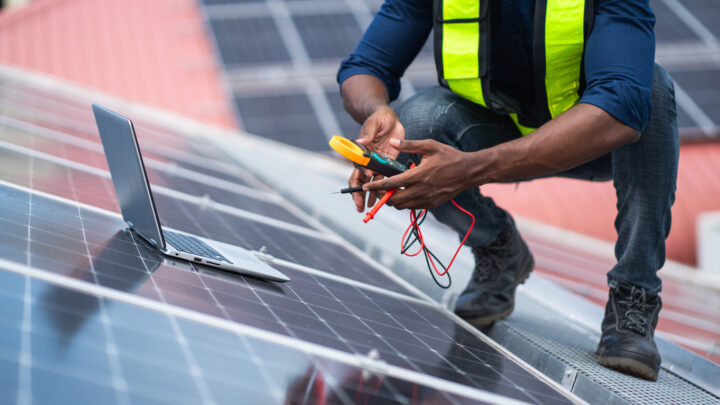
Here’s something most people don’t think about. The temperature the panels reach isn’t just determined by how hot the day is. Rooftops trap and radiate heat from below as well, and if your panels are mounted flush against the roof, they’re absorbing warmth from two directions at once. That’s why panels bolted directly onto roof tiles tend to run hotter than panels with a gap underneath them.
The ambient air temperature during a heatwave might be 35 degrees, but the panel surface can be sitting 30 degrees higher than that because of the heat coming off the roof beneath it. Understanding that distinction matters if you’re trying to get the most out of an installation because some of that extra heat is avoidable with the right setup.
There’s a simple fix that makes a real difference.
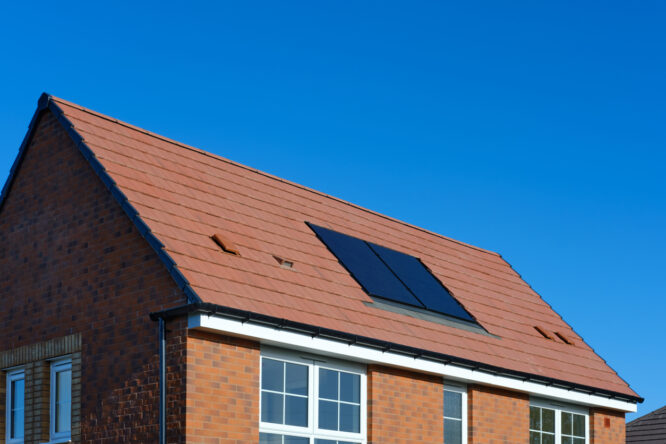
Leaving a gap between the solar panel and the roof surface is one of the most effective things you can do to keep temperatures down. Even a few inches of clearance allows heat to escape and lets air move underneath, which passively cools the panels as the day goes on. It’s not a complicated or expensive adjustment, it just needs to be factored in at the installation stage rather than added as an afterthought.
Most good installers already account for this, but you should specifically ask about it if you’re getting quotes. The difference in performance between a well-ventilated installation and one that’s completely sealed to the roof can be meaningful over a long hot summer, particularly if you’re in a part of the country that’s been getting increasingly warm summers.
The colour of your panels is more impactful than you think.
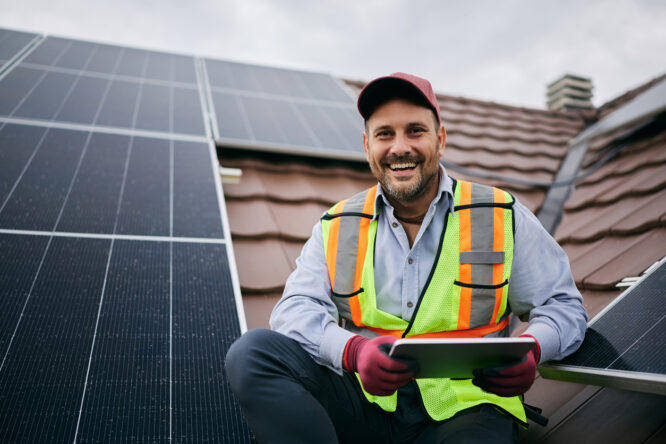
The standard assumption is that darker materials absorb more light and therefore work better for solar panels, and that’s true up to a point. Dark panels do capture more photons, but during a heatwave, that same dark surface also absorbs more heat, which is exactly what you don’t want. It’s a trade-off, and in hot climates or increasingly warm summers, it’s something to think about.
Panels made from lighter, more reflective materials stay cooler in high temperatures and hold onto their efficiency better during heatwaves, even if they absorb marginally less light on a mild day. As the UK’s summers get progressively hotter, the argument for lighter-coloured panels is getting stronger. It’s not the conventional choice, but the physics behind it is sound.
The inverter is the part nobody talks about.
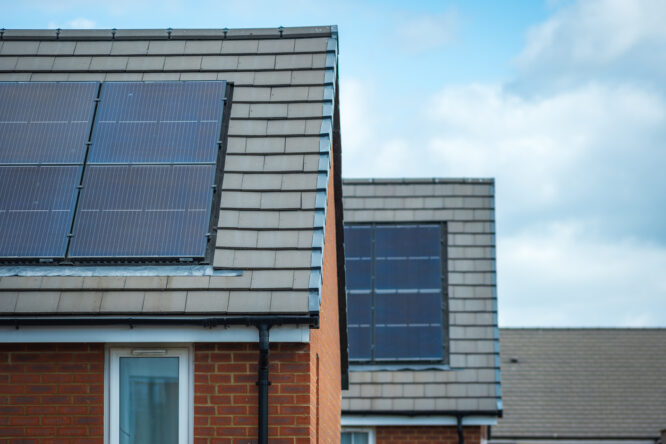
Most of the conversation around solar panel performance focuses on the panels themselves, but the inverter matters too. The inverter is the component that converts the electricity your panels generate into the form that actually runs your appliances. It also generates heat while it’s doing that job, and if it overheats, the whole system’s output suffers regardless of what the panels are doing.
Installing the inverter somewhere shaded, out of direct sunlight, makes a noticeable difference to how well it handles hot days. Behind the panel array is a common approach, or in a shaded corner of a garage or outbuilding. It’s a small detail in the overall setup, but one that can help maintain output on the days when you really need it to keep up.
What does this mean if you’re thinking about getting solar panels?
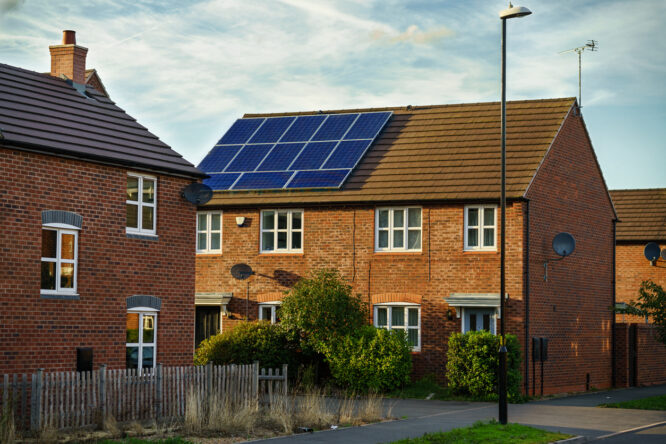
Solar panels are still worth having despite all this, and a 20% efficiency drop on the hottest days of the year doesn’t erase the benefit of generating free electricity for the other 350 days. That being said, how they’re installed is important, and you should have a conversation with your installer about how the setup handles heat rather than just where the panels will go.
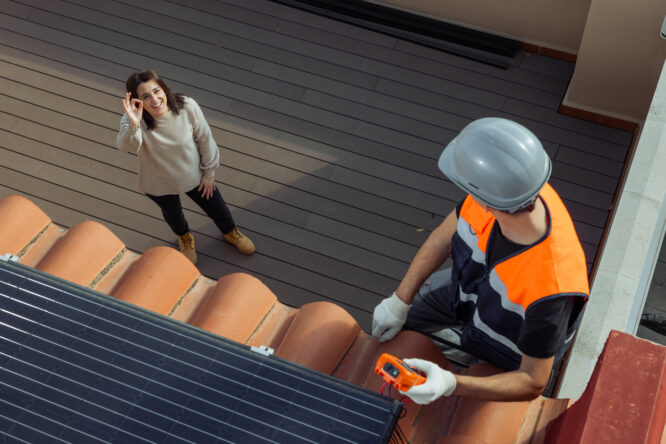
If you’re in an area that gets genuinely hot summers, or if you’re on a south-facing roof that gets full sun all day, asking specifically about ventilation and inverter placement is sensible. These aren’t exotic requests, they’re standard considerations, and any installer who knows their stuff should be able to talk you through the options without making it complicated.
Solar power isn’t entirely useless during the summer months.
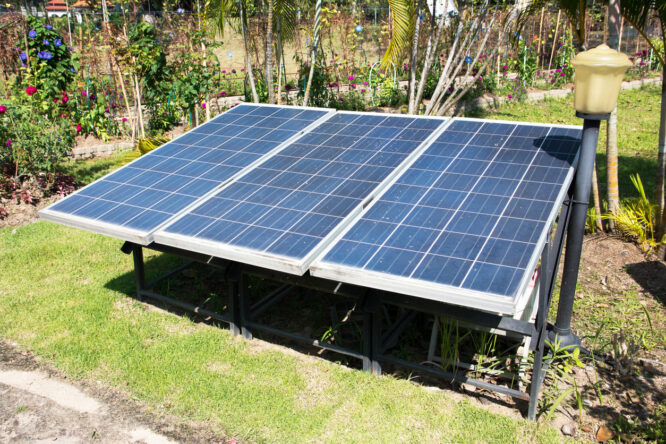
There’s something slightly frustrating about the fact that energy demand peaks in summer, air conditioning being the obvious reason, right at the point when solar panels are being pushed outside their ideal operating range. It’s a mismatch that feels unfair. The good news is that even a less-than-peak solar panel is still generating more than it would on a cloudy November afternoon, so the summer months are still net positive for solar households overall.
The efficiency loss during heatwaves is a real phenomenon worth understanding, but it shouldn’t put anyone off the technology. It just means going in with accurate expectations rather than assuming the sunniest days will automatically be the most productive ones. With the right installation, the gap between ideal and actual performance can be kept reasonably narrow even when the temperature is doing something uncomfortable.
Battery storage changes the equation considerably.
One thing that changes the calculation considerably is having battery storage alongside your panels. If your system stores excess electricity generated during cooler parts of the day, like early morning before the roof has had time to heat up properly, you’re not entirely dependent on real-time generation during the hottest hours. You can draw on what was banked earlier, rather than relying on the panels to keep up with demand at two in the afternoon when everything is at its hottest.
Battery technology has come down in price considerably over the past few years and is increasingly being included as part of standard solar installations. If you’re weighing up a new system, get a quote that includes storage rather than panels alone because the combination handles summer days much better than panels working in isolation.
Keeping your expectations realistic saves a lot of frustration.
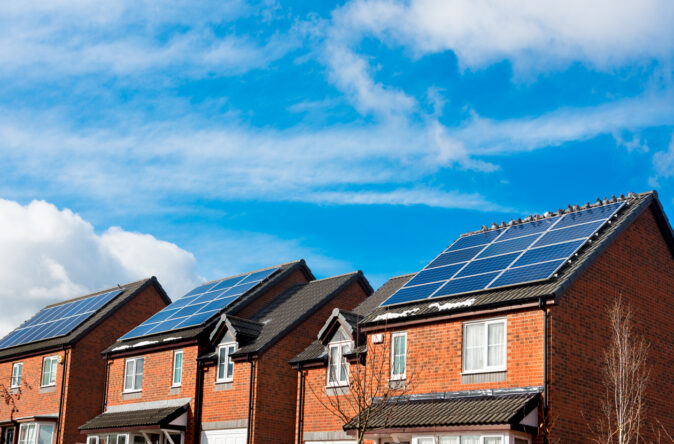
The marketing around solar panels tends to focus on the best-case scenario, which is a bright, mild day with optimal sun angles and a cool breeze keeping the panel temperature in check. Real life involves heatwaves, overcast days, leaves, and bird mess on the panels, and all the other things that don’t appear in the brochure. Understanding the heatwave efficiency issue is part of having a realistic picture of what you’re actually buying.
That said, the overall case for solar remains strong, especially with energy prices where they are. A system that runs at 75% efficiency on the hottest days of the year and at full capacity for most of the rest is still a very good investment for most households. You just want to go in knowing what to expect, rather than feeling let down the first time a scorching July day doesn’t translate into record output.