A plastic carrier bag is about as throwaway as it gets.
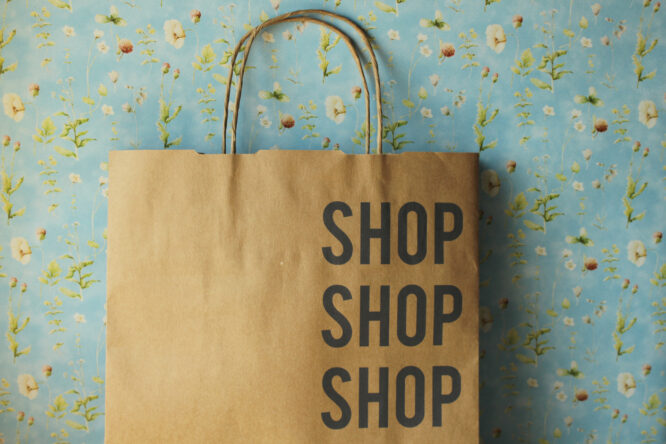
Most of us just bundle them under the sink, shove them into a cupboard, or use them as a bin liner until the handles snap off. Yet, those crinkly bits of branded plastic from decades ago are suddenly having a massive moment, turning into hot property on auction sites where collectors and fashion obsessives are handing over eye-watering sums for them. What used to be free clutter at the supermarket till is now being treated like rare design history, and people are making serious cash out of items that were meant to end up in the tip 30 years ago.
The trend is playing out across online marketplaces.

On resale platforms like eBay, Vinted, and Depop, old carrier bags from Marks & Spencer, Tesco, Netto, and Waitrose are changing hands for around £10 each, a striking markup for something that was originally given away free at the checkout. Vinted alone has reported a 35% jump in searches for these bags over the past year.
What was once the most unremarkable object in anyone’s kitchen has become a proper collector’s item, complete with its own online fan base. An Instagram account dedicated entirely to carrier bags has racked up more than 15,000 followers, which says a lot about how far this niche interest has travelled.
Why are people being drawn to something so ordinary?

The founder of a London magazine shop sees this as part of a much bigger transition toward wanting physical, tangible things in an increasingly digital world, a pattern he’s also noticed playing out with print magazines. These old bags carry a strong nostalgic pull, taking people back to childhood in a way that feels comforting, almost like a small physical anchor to an earlier version of their life.
Not everyone collecting these bags feels the need to justify it, either. One enthusiast set up a dedicated archive for old paper bags back in 2020, and has since built up a collection of more than 3,500, alongside a handful of plastic ones too. He describes these bags as markers of social history, tracking the tastes and design trends of each decade, and argues it’s worth celebrating these small, overlooked objects precisely because they end up tied to memories that stick with people for life.
There’s one M&S bag in particular that everyone seems to want.
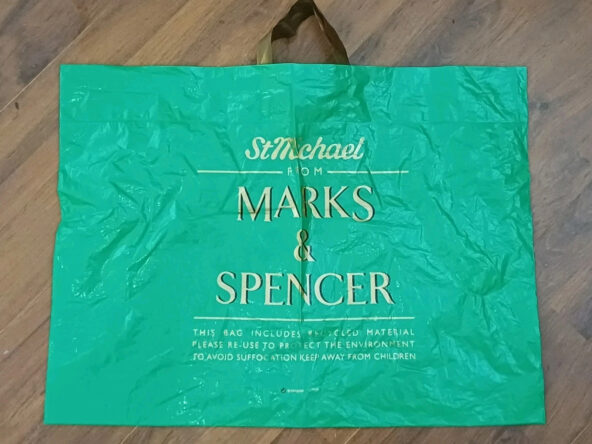
One design in particular stands out from the rest: the old M&S St Michael carrier bag, a familiar sight on high streets throughout the 80s and 90s. The St Michael label appeared on M&S products from 1928 right through to 2000, giving it a nostalgic pull across multiple generations, including plenty of younger fans who never actually shopped under the original branding but are drawn to it anyway.
That nostalgia is now being deliberately tapped into. M&S has teamed up with cult London streetwear label Aries on a new collection landing on 20 August, which includes a £90 leather tote deliberately styled to resemble the old St Michael carrier bag. According to M&S’s head of womenswear design, the idea was to take something completely familiar and turn it into a collectable, celebrating the cultural weight the St Michael name still carries while introducing it to an entirely new audience through a modern lens.
It’s part of a wider nostalgic pull toward the M&S brand itself.
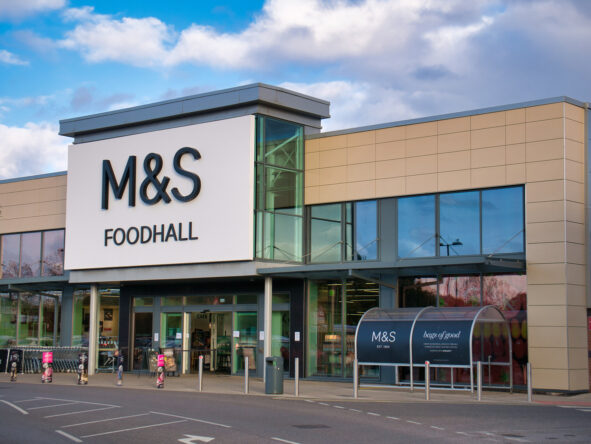
Nostalgia runs right through the whole Aries collaboration, not just the bag. The designer behind Aries has spoken about drawing on her own formative memories of the brand, describing M&S as part of family life growing up and as a British institution woven into countless people’s personal histories.
That nostalgia extends well beyond bags, too. Vintage St Michael clothing is already sought after on resale sites in its own right. For plenty of people it represents memories of a trusted, everyday brand, while for younger shoppers who missed it the first time round, it’s become something closer to a coveted piece of fashion history.
Old bags are also seen as sturdier than what you get today.
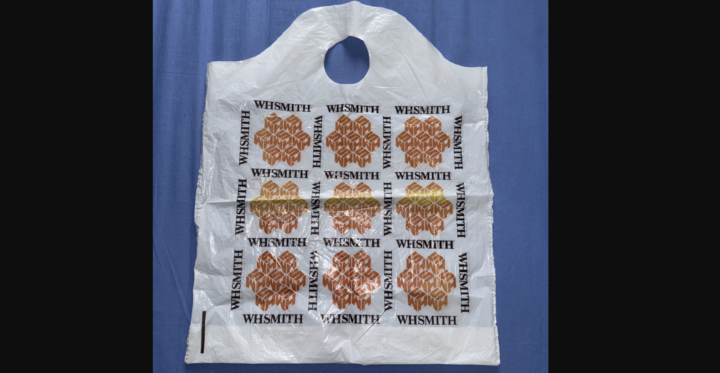
Part of the appeal seems to come down to build quality too. According to the Paper Bag Archive’s founder, older bags tend to feel noticeably sturdier than anything handed out at supermarkets now, with one notable exception: bags made after 2000 tend to disintegrate almost the moment you touch them, since they were deliberately designed to biodegrade faster.
This all comes against a backdrop of plastic bags falling out of favour entirely.

It’s important to remember just how differently plastic bags are viewed today compared to a couple of decades ago. Anti-plastic campaigns through the 2000s, including a limited-edition canvas tote that saw 80,000 people queue up to buy one back in 2007, helped change public attitudes considerably. Single-use plastic bags were effectively phased out of supermarkets in 2015, once the government introduced a mandatory charge for them, and by 2023 plastic bag sales in supermarkets had dropped by a staggering 98%.
That change shows up clearly in the secondhand market too. Free canvas tote bags handed out by brands like APC, Octobre Editions, and Alo with a purchase are now selling for upwards of £10 themselves, with Vogue recently naming the Alo bag as this summer’s trending beach accessory. Meanwhile, the canvas tote from American grocery chain Trader Joe’s, which costs just $4 in store, has taken on a strange second life on the streets of London as something of a status symbol, purely because it’s not available in the UK at all.
The appeal might actually be the opposite of good design.

It would be easy to assume these old bags are popular because design used to be more thoughtful and considered. According to the magazine shop founder, the truth might actually be the reverse. Part of the charm of these older bags, he argues, is exactly how basic and thrown together they were, put together without a design studio agonising over colour palettes or brand consistency. It was closer to simply deciding a colour was good enough and running with it, rather than the carefully mediated process brands tend to follow today.
What this means if you’ve still got old bags lying around
If you’ve held onto any old carrier bags from shops that have since rebranded, closed, or simply moved on to new designs, have a look through before binning them. What felt like pure clutter not long ago could actually be worth something to the right collector, and given how quickly this trend seems to be picking up speed, that £10 price tag may not stay where it is for long.