We’ve all stood by the kitchen bin on a Sunday evening, tossing out a bag of grey, slimy spinach, a punnet of furry raspberries, and carrots that have gone as bendy as rubber bands.
You bought them with the best of intentions, but four days later, your hard-earned cash has essentially turned to compost. In British households, fresh fruit and veg make up the lion’s share of the staggering amount of food we chuck away every single year. The irritating thing is, it’s rarely down to buying bad produce; it’s almost always down to how we stash it when we unpack the shopping bags.
Treating your fridge like a dumping ground or leaving things in sweating plastic bags is practically an invitation for mould to move in. Making a few clever tweaks to where and how your greens sit can easily add days—sometimes weeks—to their lifespan, saving your grocery budget and keeping good food out of the rubbish. Here is how to actually store your fresh produce so it stays crisp, vibrant, and ready to eat.
Why some produce spoils faster
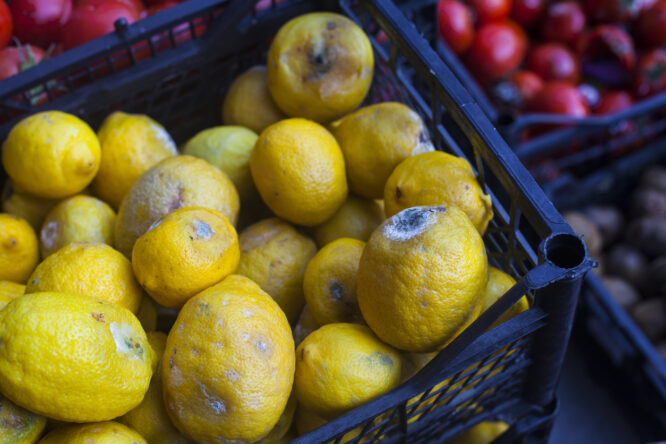
Some fruits and vegetables give off a natural gas called ethylene as they ripen. This gas speeds up ripening, both in the fruit itself and in anything stored nearby. That’s why one ripe fruit can make others around it go soft more quickly.
Other fruits and vegetables are very sensitive to this gas and spoil fast when they’re kept close to it. Keeping the two groups apart is one of the easiest ways to make your produce last. For example, storing bananas next to apples can make both ripen and go off faster.
Make the most of your fridge drawers.
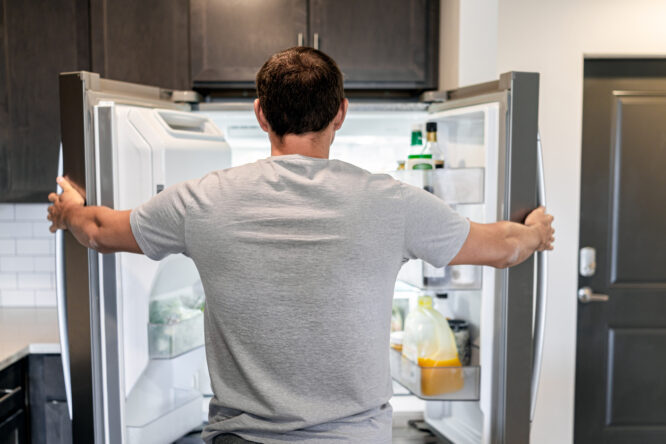
Many fridges have two salad drawers, and it’s tempting to put fruit in one and vegetables in the other. But a better approach is to use one drawer for produce that gives off ethylene and the other for produce that’s sensitive to it. Keep your fridge below 5 °C to help food stay fresh and safe.
Produce that gives off ethylene, best kept together, includes:
Apples
Apricots
Avocados
Unripe bananas
Figs
Kiwis
Melons such as cantaloupe and honeydew
Nectarines
Peaches
Plums
Tomatoes
Produce to keep away from ethylene
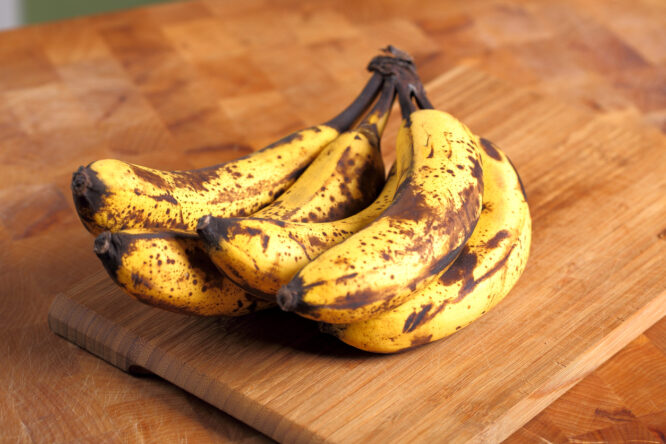
These fruits and vegetables are sensitive to the gas, so store them separately from the list above. Keeping them apart can help them stay crisp and fresh for longer. Many of them are best kept in the fridge.
Produce sensitive to ethylene includes:
Ripe bananas
Broccoli
Brussels sprouts
Cabbage
Carrots
Cauliflower
Cucumbers
Aubergines
Leafy greens
Peas
Peppers
Courgettes and squash
Sweet potatoes
Watermelon
Keeping avocados perfect
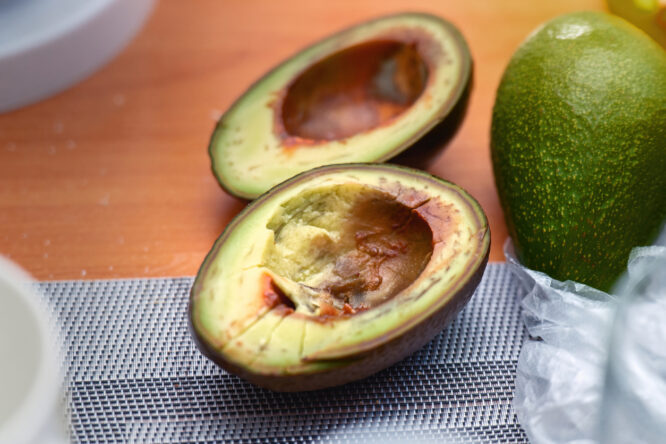
Avocados are known for being rock hard one day and overripe the next. Leave them at room temperature until they’re ripe, then move them to the fridge. This can keep them at their best for up to about five more days. A ripe avocado should feel slightly soft when you press it gently. If you only use half, brush the cut side with a little lemon or lime juice before wrapping it and putting it in the fridge. This helps stop it turning brown.
Crisp salad and crunchy carrots
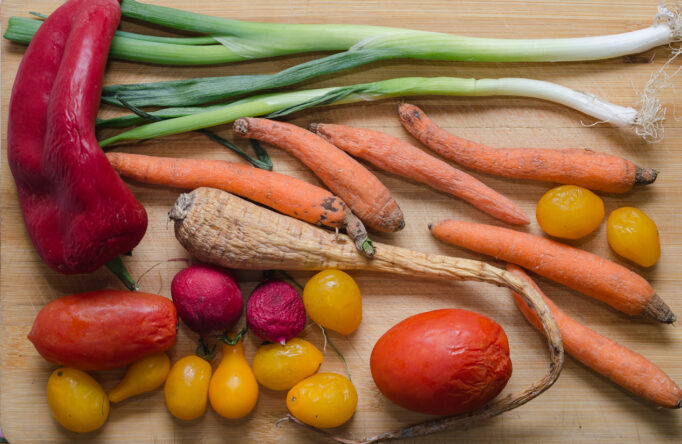
Salad leaves such as spinach, lettuce, and kale go slimy when moisture builds up. Place a sheet or two of kitchen roll in the bag or box to soak up extra moisture. Swap it for a fresh sheet when it gets damp. Carrots can turn bendy or dry if they’re not stored well. Keeping them in a jar or container of cold water in the fridge helps keep them crisp, as long as you change the water every few days. If you’d rather not, a bag with small holes in it works well too.
Stop berries going mouldy.
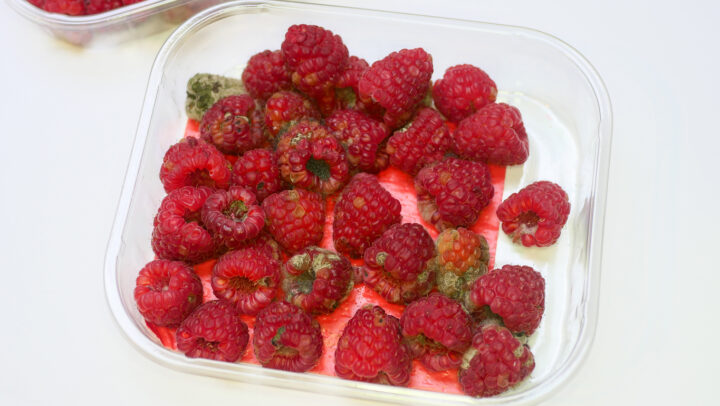
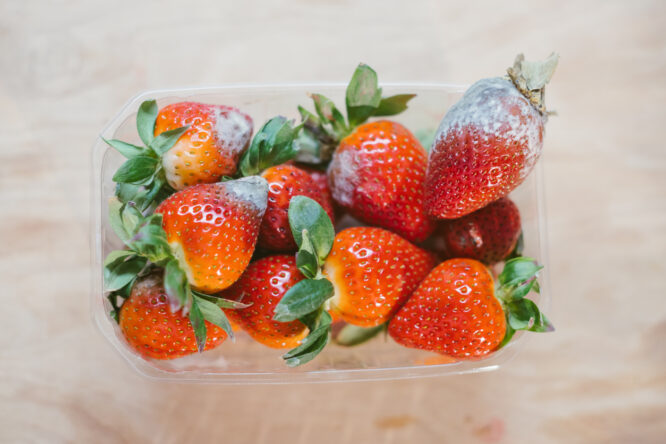
Strawberries and raspberries contain lots of water, so they can go mouldy very quickly. When they’re piled on top of each other, the ones in the middle often spoil first. Once one berry turns mouldy, the rest soon follow. Spread berries out in a single layer on a tray or shallow container lined with kitchen roll. Remove any damaged or mouldy ones straight away. Wait to wash berries until just before you eat them, as extra moisture can make them spoil faster.
Fresh herbs for longer.
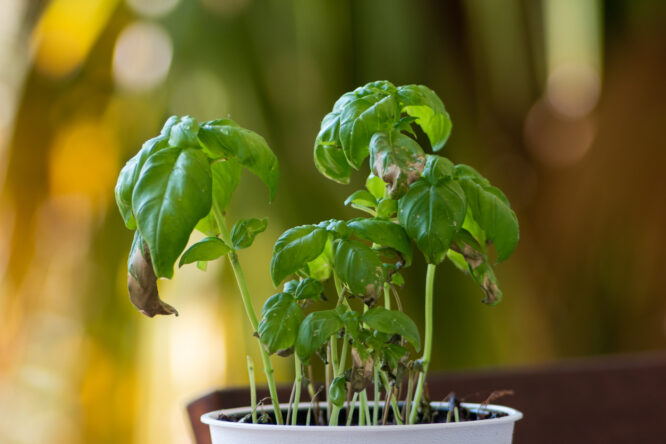
Many soft herbs, such as parsley, coriander and mint, last much longer if you treat them like a bunch of flowers. Trim the stalks and stand them in a glass with a little water. Keep them in the fridge and change the water every couple of days.
Basil is the exception, as it can turn black in the cold. Keep it in water on the kitchen worktop, away from direct sunlight. Woody herbs such as rosemary and thyme can be wrapped loosely in damp kitchen roll and kept in the fridge.
Keeping bananas fresh
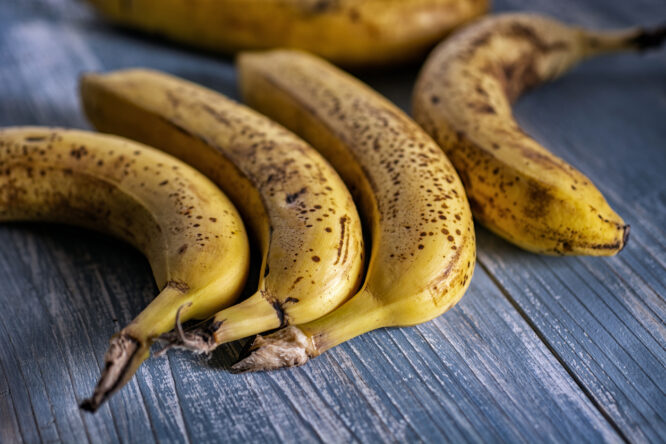
Store bananas away from apples and other fruit that gives off ethylene. Hanging them on a banana hook can help stop them bruising. They last best somewhere cool and dark, at around 12 °C, so keep them away from sunny windowsills.
Once they’re ripe, you can put bananas in the fridge to slow them down. The skins may turn dark, but the fruit inside should be fine. If you have bananas going soft, peel and freeze them for smoothies, or use them in banana bread to avoid waste.