Swollen legs are usually nothing to worry about, especially after a hard workout or a minor injury, since the swelling typically settles down on its own within a few days.
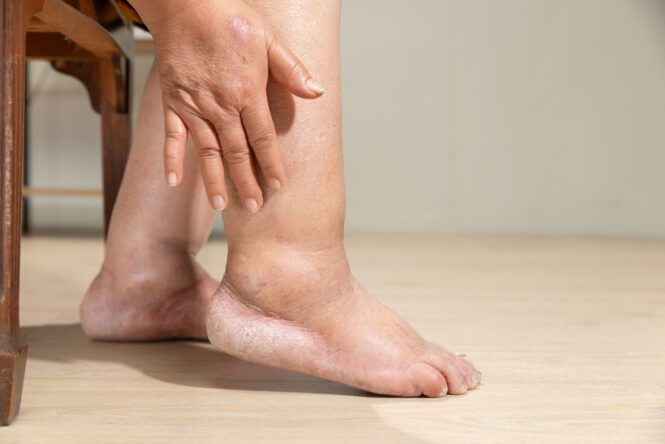
However, there’s one specific cause of leg swelling that deserves prompt medical attention, a condition called peripheral artery disease, or PAD. Left unchecked, it can lead to serious complications, so knowing the warning signs matters. Here’s what PAD actually is, who’s most at risk, and why catching it early makes such a difference.
PAD develops when your leg arteries slowly become blocked.
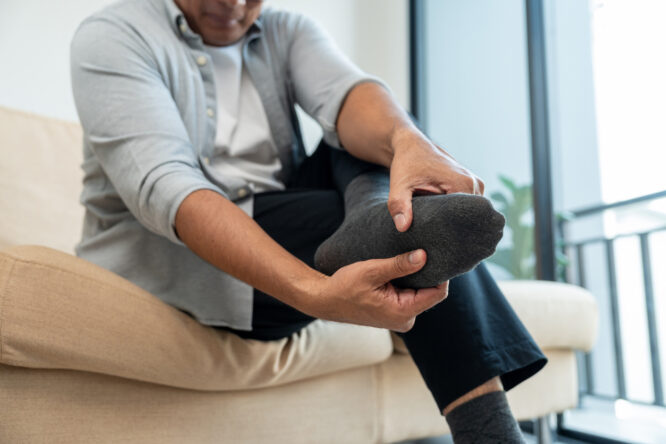
Peripheral artery disease happens when a substance made up of fat and cholesterol, called plaque, gradually builds up inside the arteries in your legs. These arteries are normally responsible for carrying oxygen rich blood from your heart down to your arms and legs, keeping everything nourished.
As plaque builds up, it narrows these arteries, making it harder for blood to flow through them properly. This means your legs and arms end up receiving less oxygen and fewer nutrients than they actually need, setting the stage for bigger problems down the line.
Blood clots can make an already narrow artery even worse.

On top of plaque buildup, blood clots can sometimes form around the narrowed section of an artery, crowding it even further and making blood flow considerably worse. It creates a dangerous combination, since the artery is already struggling to do its job correctly.
If an artery eventually becomes fully blocked, whether from plaque alone or plaque combined with a clot, the tissue beyond that blockage stops receiving the blood supply it needs entirely. In the feet and legs specifically, this can lead to tissue damage, tissue death, and in serious cases, amputation.
Around 8 to 12 million Americans currently live with PAD.

Despite affecting millions of people, PAD frequently goes undiagnosed, largely because its symptoms can easily be mistaken for something far less serious. The lack of diagnosis is concerning, since someone with PAD is six to seven times more likely to develop coronary artery disease and suffer a heart attack or stroke.
The connection runs the other way too. Someone already living with heart disease has roughly a one in three chance of also developing PAD somewhere in their legs, showing just how closely these two conditions tend to overlap.
Several factors increase your risk of developing PAD.
Certain things raise someone’s chances of developing PAD, including being 50 years or older, being African American, or living with diabetes, high blood pressure or kidney disease. Having a blood clotting disorder, high cholesterol, or a family or personal history of blood vessel or heart disease also increases the risk considerably.
Carrying a high percentage of abdominal fat and using tobacco products round out the main risk factors too. While things like age, race and family history can’t be changed, factors like excess abdominal fat, high cholesterol and smoking are within someone’s control to work on reducing.
Watch for more than just swelling.

Beyond leg swelling, PAD can bring on numbness, cramping, general pain, and noticeable changes to the skin, including discolouration or an unusually shiny appearance. Some people also experience pain specifically while walking that eases once they stop and rest.
This particular pattern, pain that shows up during activity and fades with rest, is an important clue, since it points directly to reduced blood flow rather than a simple muscle strain or minor injury. Recognising this pattern early can make a real difference in getting thoroughly checked out.
Left untreated, PAD can eventually become life-threatening.

If PAD symptoms are ignored or left to worsen over time, the consequences can and often do escalate. Tissue death in the toes and feet can eventually lead to sepsis, a serious, life-threatening condition that develops when an infection spreads through the body. That progression is exactly why catching PAD early matters so much. What starts as something as seemingly minor as swollen legs can, if ignored for long enough, spiral into something considerably more dangerous.
Simple, non-invasive testing can confirm a diagnosis.

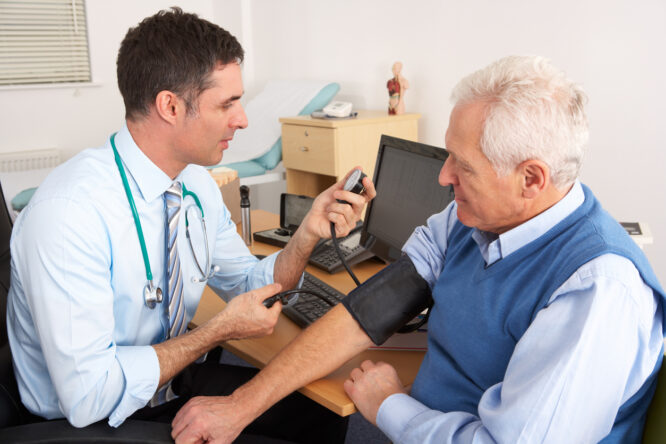
Diagnosing PAD doesn’t require anything invasive or particularly uncomfortable. One common screening method uses blood pressure cuffs alongside a computer to measure blood pressure at both the ankle and the arm, comparing the two readings to calculate something called the ankle-brachial index.
This same screening also produces detailed readings showing exactly how blood is flowing and how much pressure exists within the legs. Together, these results help a doctor pinpoint precisely where in the leg an artery might be partially blocked, guiding exactly what treatment comes next.
Getting checked early gives you far more treatment options.

Once someone receives a confirmed PAD diagnosis, they can work directly with their doctor to explore treatment options and lifestyle changes aimed at bringing the condition under control. Catching it early generally means more options are available, and better outcomes overall.
Given how serious PAD can become if left unaddressed, it’s always worth getting persistent leg swelling or unexplained leg pain checked out, rather than assuming it will simply resolve on its own. A straightforward screening test could end up making a noticeable difference to your long-term health.