“Fibremaxxing” has been doing the rounds on social media, and it’s truly gaining traction.
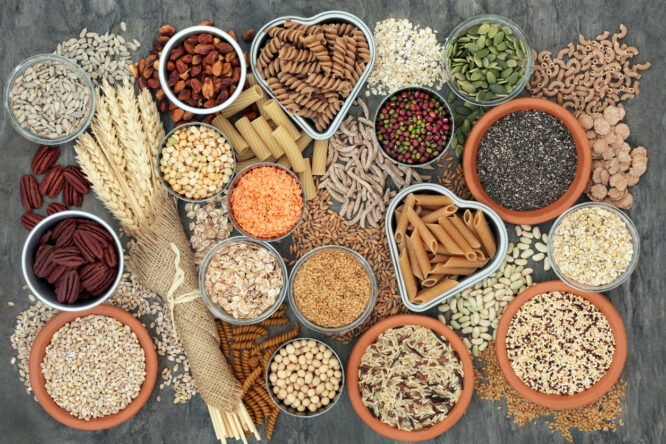
It’s a trend built around eating far more fibre than most nutrition guidelines actually recommend, all in the name of better gut health. Fibre plays a vital role in digestion, but pushing your intake to extreme levels can backfire in ways that catch a lot of people off guard. Here’s what fibre actually does in your body, and why more isn’t automatically better when it comes to your gut.
Fibre works differently to other carbohydrates.

Unlike starch or sugar, fibre passes through the small intestine largely untouched, reaching the large intestine still intact. There, it becomes food for the trillions of bacteria living in your gut, which break it down and produce beneficial substances your body actually relies on.
Fibre that doesn’t get broken down still plays a useful role too, absorbing fluid and adding bulk to waste, which makes stools softer and easier to pass. This combination of feeding gut bacteria and supporting regular bowel movements is exactly why fibre earns its reputation as an important nutrient.
Most people in the UK and US aren’t getting enough of it.

Recent figures suggest around 91% of people in the UK fall short of the recommended daily fibre target, and the picture looks almost identical in the US, where roughly 95% of people don’t hit their recommended intake either. The shortfall is part of what’s fuelled renewed interest in eating more fibre in the first place.
Given how widespread this gap actually is, increasing fibre intake makes sense for most people. The trouble starts once that sensible goal gets pushed toward an extreme, rather than a gradual, balanced improvement.
Loading up on fibre can ease certain digestive issues.

Some people with irritable bowel syndrome find that increasing fibre intake helps ease their symptoms, particularly if constipation tends to be more of an issue for them than diarrhoea. There’s also evidence linking adequate fibre intake to a lower risk of colon cancer.
One substance produced when gut bacteria break down fibre, called butyrate, is thought to have protective, anti-inflammatory effects on the cells lining the colon. Fibre also helps move waste through the gut more efficiently, reducing how long colon cells stay exposed to potentially harmful substances passing through.
Fibremaxxing pushes this good idea into uncomfortable territory.

Some online advocates for this trend encourage people to consume more than 50 grams of fibre daily, well beyond the standard recommendation of 25 to 30 grams. At that level, side effects like bloating, cramping and diarrhoea become considerably more common.
The gut works as a carefully balanced ecosystem, and suddenly flooding it with far more of one particular nutrient can throw that balance off rather than improving it. What sounds like a simple health upgrade can end up creating exactly the discomfort it was meant to prevent.
Not all fibre works the same way.

Soluble fibre absorbs water and slows digestion down, while insoluble fibre passes through largely unchanged and tends to speed digestion along instead. A third category, fermentable fibre, specifically feeds the bacteria living in the large intestine, each type playing a different role.
A healthy gut relies on a mix of all three working together, rather than an overwhelming amount of just one. Too much insoluble fibre in particular, found in things like wheat bran, can end up irritating a sensitive gut rather than supporting it.
Chasing a high number often means eating a narrower range of foods.

Trying to hit an extremely high daily fibre target can tempt people into repeatedly eating whichever foods pack in the most fibre per serving, like high fibre breakfast cereal, which can contain over 12 grams of fibre per 100 grams. Reaching for several bowls of the same cereal each day becomes an easy way to hit a big number quickly.
The problem is that cereal tends to be a strong source of insoluble fibre specifically, while offering far less soluble and fermentable fibre. Relying heavily on one type of food to hit a fibre target often means missing out on the balanced mix your gut actually needs to function well.
Certain fibres can worsen symptoms for people with sensitive digestion.

A group of fibres known as FODMAPs, short for fermentable oligosaccharides, disaccharides, monosaccharides and polyols, can be difficult for some people’s guts to absorb properly. For anyone already managing IBS, loading up on these specific fibres can make symptoms noticeably worse rather than better.
This is exactly why a one size fits all approach to fibre doesn’t really work. What benefits one person’s gut can aggravate someone else’s, depending on their individual digestive sensitivities.
Fibremaxxing fits into a much longer pattern of gut health trends.

Extreme approaches to digestive health tend to circulate regularly on social media, and many end up causing more harm than good, despite sounding appealing at first. Juice cleanses can strip the diet of essential nutrients, while detox teas and laxatives can lead to dehydration and, over time, potential damage to the gut lining.
Trends involving enemas have also gained traction online, despite disrupting the bowel’s natural rhythm and flushing out beneficial bacteria along with everything else. Experts generally advise steering clear of fad supplements or extreme elimination diets that cut out entire food groups without real guidance, since these can reduce the overall diversity of your gut bacteria.
Fatigue and weight changes can signal a fibre imbalance.

Soluble fibre plays a quiet but important role in keeping blood sugar steady, slowing digestion enough to gradually release sugar into the bloodstream rather than all at once. Without enough of it, blood sugar can spike and crash unpredictably, often leading to noticeable dips in energy shortly after eating.
These energy crashes can make snacking more tempting and contribute to gradual weight gain over time. Paying attention to patterns like persistent fatigue or unexplained snacking can offer a useful clue that fibre intake, or the balance of fibre types being eaten, might need adjusting.
Balance matters more than hitting an extreme number.

Most people would benefit from eating more fibre, particularly from whole plant foods like vegetables, fruit, beans and wholegrains, since this supports digestion and helps maintain a healthy weight. But more isn’t automatically better, especially when that increase happens suddenly or focuses too heavily on just one type of fibre.
The gut thrives on variety, consistency and gradual, balanced changes rather than dramatic overhauls or extreme daily targets. Building fibre intake up steadily, from a varied mix of whole foods, tends to support long-term gut health far more effectively than chasing a single, extreme number ever could.