The idea of looking backwards for solutions to modern problems that feel impossibly tangled seems a bit foolish, but it might not be.
In fact, some of Britain’s recent past holds surprisingly practical answers to many of today’s crises, from loneliness epidemics to housing disasters. These things may not be immediate cure-alls, nor will they solve every problem we have as a nation, but they’re certainly worth a shot. While parts of the country are trying to implement these things into their local community, they need more investment, more attention, and to be more widespread across the UK for everyone to truly benefit.
National service for community building

Young people are drowning in anxiety and social media, while older generations complain about disconnected youth who lack purpose or direction. The gap between generations has never felt wider, and both sides seem to exist in completely separate worlds.
Bring back a modernised version of National Service that focuses on community work rather than just military training. Eighteen-year-olds could spend a year working in care homes, environmental projects, or community centres while earning a living wage and gaining real-world skills. It creates connections across age groups and gives young people genuine purpose beyond scrolling through TikTok.
Proper apprenticeships that lead somewhere

Universities are churning out graduates with useless degrees and crushing debt, while skilled trades face massive shortages. We’ve somehow convinced an entire generation that working with your hands is shameful compared to sitting in an office all day.
Companies need to step up and offer real apprenticeships like they did in the 1970s and 1980s, with genuine progression paths and proper training. Government should incentivise this heavily, while stopping the push for everyone to attend university. Skilled electricians and plumbers earn more than most graduates anyway, without the debt hangover.
Community mental health support networks

Mental health services are completely overwhelmed while people wait months for basic support. We’re treating anxiety and depression like medical emergencies, rather than addressing the social isolation that’s causing much of the problem in the first place.
Local communities need to rebuild the informal support networks that existed before everything became medicalised. That means neighbourhood groups, volunteer schemes, and social prescribing that connects people with activities rather than just medication. GP surgeries should have community coordinators who can link people up with local groups and practical support.
Crisis intervention that keeps people local

Mental health crises are clogging up A&E departments, while people in genuine distress get shuffled around an overstretched system. The current approach treats mental health like a broken bone, rather than a complex social and emotional issue that needs human connection.
Every area should have crisis houses and safe spaces where people can get intensive support without being shipped off to distant hospitals. These smaller, local facilities provide 24-hour care in a community setting where people can maintain their connections while getting help. It’s cheaper than hospital treatment and actually works better.
Local councils with real power and budgets

Everything gets decided in Westminster, while local problems go unsolved because councils have no money or authority to act. Housing, transport, and youth services are all run by central government departments that have no clue about local needs. The current PM claims he’s going to change that, and hopefully, that comes to pass.
Devolve serious power and funding back to local authorities so they can actually solve problems in their areas. That means letting councils build housing, run transport, and design services that work for their communities. Stop micromanaging from Whitehall and let local people sort out local issues.
Civic education that creates engaged citizens

Political engagement has collapsed because people don’t understand how democracy actually works. Young people think the system is rigged while older generations complain about apathy, but nobody’s teaching basic civic participation skills.
Schools should teach practical democracy like how local councils work, how to organise campaigns, and how political decisions affect daily life. Community groups should run workshops on everything from attending council meetings to understanding local planning decisions. Democracy works better when people know how to engage with it properly.
Housing that serves communities, not investors
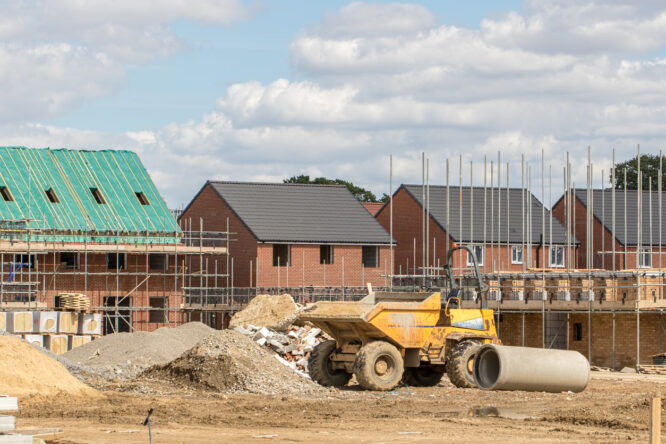
Private landlords are extracting billions from communities while providing increasingly awful housing that people can barely afford. Entire generations are locked out of homeownership and trapped in expensive rental cycles that build no wealth.
Councils should be building social housing again, not just for the poorest but for working people who want affordable, secure homes. Housing associations and community land trusts can provide alternatives to the private rental market while keeping housing affordable for local people rather than investors.
High streets that create community connections

Town centres are dying while everything moves online, destroying the natural meeting places where people used to bump into neighbours and have casual conversations. Amazon warehouses don’t create community bonds or local investment.
Local authorities should actively support independent businesses through lower business rates and planning policies that favour local entrepreneurs over chain stores. That includes protecting community assets like pubs, libraries, and post offices that serve as informal community centres where people naturally connect.
Youth clubs and community spaces

Teenagers have nowhere to go except shopping centres and car parks, then adults complain about antisocial behaviour. We’ve closed youth clubs and community centres while expecting young people to magically develop social skills and community connections.
Every neighbourhood needs accessible spaces where young people can hang out, learn skills, and connect with adults who aren’t their parents or teachers. That means properly funding youth workers and community centres while creating activities that actually interest modern teenagers rather than outdated programs nobody wants to attend.
Technical education that builds things

Britain imports almost everything, while skilled manufacturing jobs disappear overseas. We’ve convinced ourselves that making things is somehow less valuable than service industries, despite constantly complaining about supply chain problems.
Rebuild technical colleges and manufacturing training that connects directly to local industry needs. That means partnerships between colleges and manufacturers to create clear pathways from education to employment. Stop treating technical skills as consolation prizes and start recognising them as essential for economic independence.
Intergenerational living arrangements

Elderly people are dying alone while young families struggle with childcare costs, despite both groups needing what the other could provide. Housing policies assume everyone wants to live in nuclear family units, rather than exploring alternatives that could benefit everyone.
Planning policies should encourage intergenerational housing developments and granny flats, while also exploring shared housing options that work for different life stages. This reduces isolation among older people and provides affordable housing and childcare support for younger families.
Real conversation skills and social connection

People have forgotten how to disagree without demonising each other, while social media algorithms reward the most extreme positions. We’re losing the ability to have nuanced conversations about complex issues without everything becoming tribal warfare.
Pubs, community centres, and social clubs need to rebuild their role as spaces for actual conversation rather than just entertainment. This means creating environments where people from different backgrounds naturally meet and talk about issues that matter, developing the social skills that democracy actually requires to function properly.