Hearing a massive crack of thunder usually means running indoors and making sure the windows are shut.
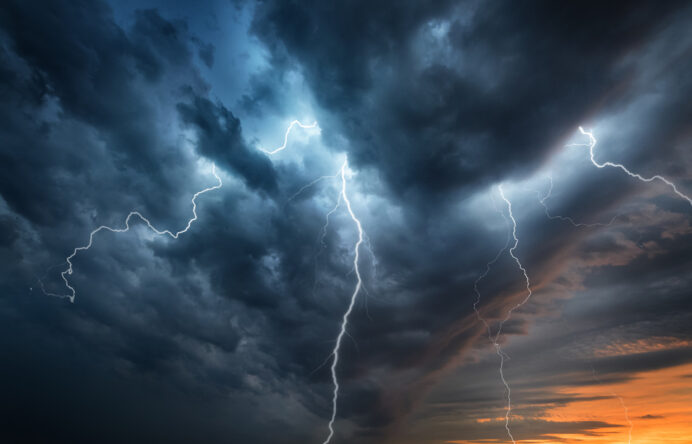
However, locking yourself away inside the house doesn’t mean you’re completely safe from a lightning strike, especially if you head straight for the bathroom. Standing under the shower during a storm sounds like an old wives’ tale your nan invented to scare you, but it’s a genuine safety hazard backed up by real science.
Metal plumbing and tap water are brilliant conductors of electricity, meaning a bolt hitting your roof can travel right through the pipes and find you. It turns a relaxing wash into a direct path for a massive electrical surge, making that quick rinse a lot more hazardous than it looks.
Showering during a storm is actually dangerous.

Lightning can travel into a home through its plumbing system. Metal pipes conduct electricity directly, and even water running through plastic pipes is conductive enough to carry a charge. Both the CDC and FEMA include this in official lightning safety guidance, and the National Weather Service specifically recommends avoiding showers and baths during active thunderstorms.
What most people don’t realise is that lightning doesn’t need to strike your house directly to cause harm inside it. It can strike nearby ground, travel through the soil, and enter your home’s plumbing system, reaching anyone in contact with running water or metal fixtures at that moment.
Being indoors doesn’t mean being safe.

Staying inside during a storm reduces your risk, but it doesn’t eliminate it. Electricity can travel through plumbing, wiring, and even windows into a home, making certain activities indoors genuinely dangerous during an active storm rather than just theoretically risky.
Modern homes with plastic plumbing aren’t automatically safe, either. Water conducts electricity regardless of what the pipes are made from, which means the material of your plumbing reduces risk slightly rather than removing it entirely.
Other indoor tasks carry the same risk

Showering gets most of the attention, but it isn’t the only household activity that puts you in contact with water and plumbing during a storm. Washing dishes, doing laundry, running a tap to wash your hands, or using any appliance connected to the plumbing system all carry similar risks during active lightning.
The safest approach is to avoid all contact with plumbing and electrical systems from the moment you hear thunder until at least 30 minutes after the last rumble. That window accounts for the fact that lightning can strike a big distance ahead of the main body of a storm.
Don’t assume a distant storm isn’t a concern.

One of the most common misconceptions is that a storm that looks or sounds far away isn’t something to worry about. Lightning can and does strike several miles ahead of where a storm’s rain is falling, which means conditions outside might not look dramatic at all while real danger is still present.
Timing a quick shower between what appear to be safe windows doesn’t change the physics involved. The decision to step away from plumbing for the duration of a storm is a small inconvenience compared to the potential consequences of getting it wrong.
You should avoid more than the shower during a storm.

Concrete walls and floors are often overlooked as a hazard, but they’re typically reinforced with metal rebar, which conducts electricity. During an active storm, standing against a concrete wall or sitting on a concrete floor adds unnecessary risk that most people wouldn’t consider.
Staying clear of exterior doors and windows is also recommended, since these are points where the boundary between indoors and outdoors is thinnest. Getting to an interior room away from windows is the safest place to wait out a storm.
The consequences can be severe and long-lasting.
Lightning injuries that happen indoors tend to be taken less seriously than direct strikes, but the outcomes can be just as serious. People who survive lightning strikes frequently experience neurological problems, memory issues, and chronic pain, none of which necessarily show up immediately.
Symptoms can take weeks to appear and may never fully resolve. The comparison between a 30-minute inconvenience and a lifetime of health problems makes the case for taking indoor storm safety seriously in a way that’s hard to argue with.
Having a plan before the storm can save you a lot of grief down the line.
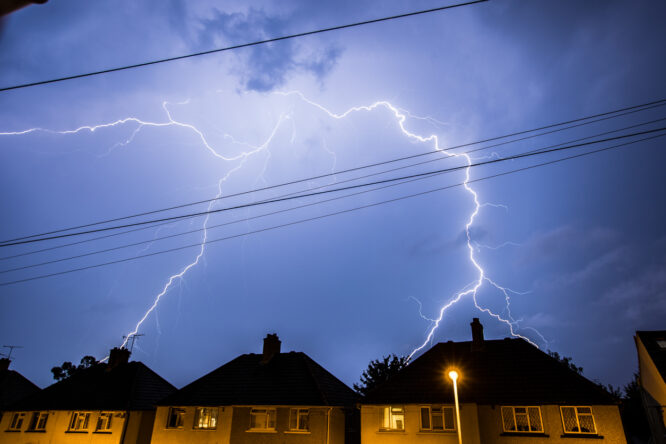
Most households don’t have a storm safety plan in place until they’re already in the middle of one, which is exactly when it’s hardest to think clearly and communicate calmly, particularly with children or elderly family members in the house.
Making a simple plan ahead of storm season, knowing which room to go to, which activities to stop, and how long to wait after the last thunder, means everyone in the household already knows what to do when it matters. Checking weather forecasts regularly during summer months, when lightning deaths are most common, gives enough warning to get indoors safely before a storm arrives rather than scrambling when it does.