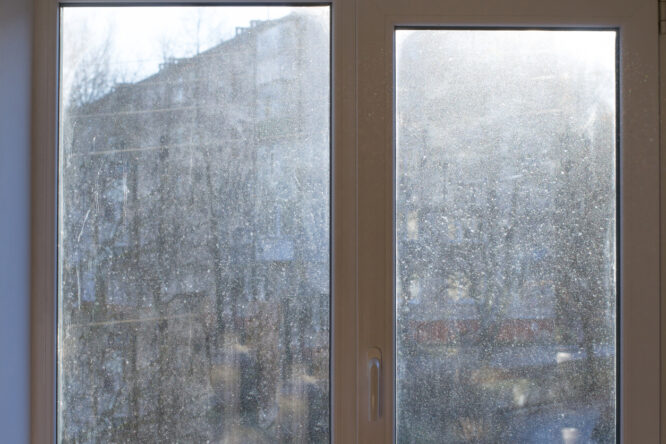
If you live near an active HS2 construction site, you probably don’t need anyone to explain what dust does to a house.
It gets into everything—windows, cars, window sills, anything left outside even briefly ends up with a fine coating of grime that keeps coming back, no matter how often you clean it. For residents in parts of North Warwickshire, that’s been the reality for years, and it’s not something you can just ignore and get on with. Because of that, it may come as something of a relief to know that many residents can have their cars and windows cleaned free of charge to deal with the mess the construction is leaving in its wake.
What’s actually being offered and who qualifies?
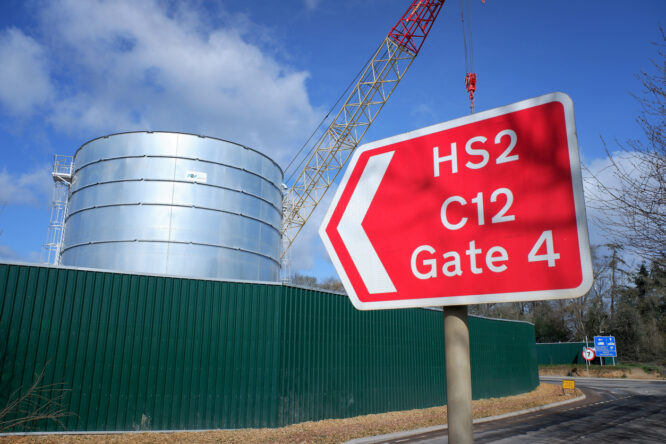
HS2 has agreed to expand a subsidised cleaning scheme that covers window and car cleaning for homes affected by dust from the construction work nearby. It started with just 37 properties in Water Orton and Coleshill, which is a fairly small number when you consider how wide the dust can travel from a building site of this scale. That figure has now risen to 175 homes, meaning around 130 additional families are newly eligible.
The expansion covers additional homes on Gilson Drive and the south side of Vicarage Lane in Water Orton, as well as properties along the A446 in Coleshill. If you’re in one of those areas, it’s worth checking whether your address now falls within the scheme’s boundaries because this is the kind of thing that can pass people by without them ever realising they were entitled to something.
The expansion didn’t happen overnight.

This didn’t come about automatically. The local MP for North Warwickshire and Bedworth took the issue directly to HS2’s chief executive after residents made clear that 37 properties wasn’t anywhere near enough to reflect the actual impact on the area. At a community event in Water Orton, residents were able to explain face to face how badly the dust was affecting their homes and daily lives. That direct conversation led to HS2 being pushed to act.
It’s a reminder that these schemes don’t always expand unless someone keeps pushing. The original 37-home eligibility wasn’t because HS2 assessed the situation and decided that was a fair response. It was a starting point that needed challenging, and it got challenged.
Dust from construction sites is more of a problem than it sounds.

It’s easy to dismiss construction dust as a minor inconvenience, but living next to a large infrastructure project for an extended period is a different thing entirely. The dust doesn’t just mean dirty windows. It settles on cars, gets tracked into homes, and keeps returning because the source isn’t going away. You can clean everything on a Sunday and by Tuesday it looks like you haven’t touched it.
For some residents, particularly older people or anyone with respiratory issues, that constant presence of dust in and around the home isn’t just annoying, it’s a genuine problem. Having to pay for regular cleaning on top of everything else is a real cost, and the argument that the people causing the problem should be contributing to sorting it out is a fair one.
This does nothing to quell the broader frustration with HS2 and local communities.
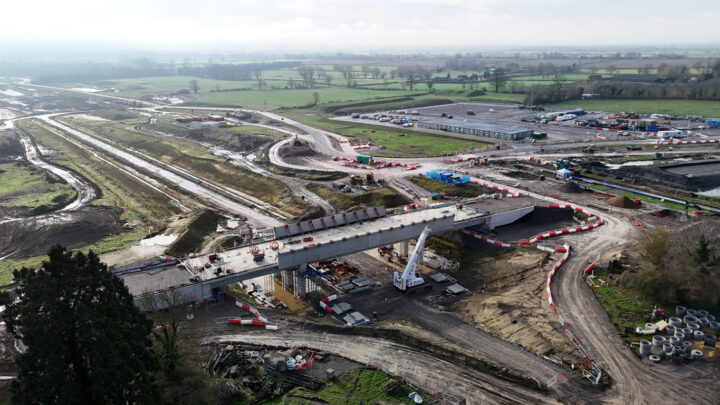
The scheme is a small practical fix in the context of what has been a very long and disruptive project for communities along the route. Residents near construction work have dealt with noise, traffic, dust, and changed roads for years, often with communication from HS2 that they’ve described as poor. The cleaning scheme doesn’t resolve all of that, and the MP involved was clear that more still needs to happen.
What it does represent is a situation where local pressure actually produced a result. The number of eligible homes more than quadrupled, which is a meaningful outcome even if it took longer than it should have and even if the scheme itself is a fairly modest response to a major disruption.
What does the scheme actually cover in practice?

The subsidised element means residents aren’t paying the full cost of professional cleaning themselves. Window cleaning and car cleaning are both included, which makes sense given those are the two things most visibly and repeatedly affected by construction dust. Whether the subsidy covers the full cost or a portion of it isn’t specified in detail, so if you’re newly eligible it’s worth contacting HS2 directly to find out exactly what you’re entitled to and how to arrange it.
It’s also worth keeping a record of the dust impact on your property if you haven’t already. Photos with dates, notes about how regularly cleaning is needed, any costs you’ve already incurred. If further claims or compensation discussions arise down the line, having that kind of documentation tends to be useful.
What residents in the affected areas should do now
If your address is in one of the newly included streets, the first step is confirming your eligibility and finding out how to access the scheme. HS2 should be the point of contact, though it’s also worth getting in touch with the local MP’s office if you’re hitting any difficulty because they’ve already demonstrated they’re willing to push on this issue. Don’t assume someone will automatically let you know you’re now eligible.
It’s also worth talking to neighbours, particularly older residents or anyone who might not have heard about the expansion. These things can spread slowly through communities, and the people who would benefit most are sometimes the last to find out. Passing the information on takes about two minutes and makes a real difference to someone who’s been quietly putting up with the situation.
There’s a conversation to be had when it comes to infrastructure and local residents.
HS2 is a nationally huge project, and the argument for it is about long-term economic and travel benefits at a scale that goes well beyond individual towns and villages. However, that doesn’t mean the people living alongside the construction work should simply absorb the disruption without any acknowledgement or practical support. The two things aren’t in conflict.
What this small story in Warwickshire illustrates is that local accountability does matter, and residents who raise their concerns through the right channels can sometimes get results. It took sustained effort, a community event, direct lobbying of senior HS2 staff, and persistence from an elected representative. That’s a lot of effort for window cleaning, but the principle, that construction projects should take responsibility for the impact on nearby residents, is one worth holding them to.
If you’re near HS2 works elsewhere in the country, you’re not necessarily out of luck.
The Warwickshire scheme isn’t unique to that area. HS2 has various community mitigation measures in place at different points along the route, though what’s available varies depending on the specific location and what’s been negotiated locally. If you’re living near HS2 construction work elsewhere and dealing with dust, noise, or other disruption, it’s worth looking into what your local council or MP has secured in terms of support because it doesn’t always get widely publicised.
Community groups and residents’ associations in affected areas are often the best source of information about what’s available, partly because they’ve been tracking it more closely than most official communications would suggest. If there isn’t one in your area, there’s a decent argument for starting one.