Walking away from a toxic job or friendship is painful, but you usually find your footing again relatively quickly. Religious pain is heavier. It doesn’t just affect your social circle; it can shake your faith, your identity, and even the way you see the world. Here are some of the ways it can affect you for a long time after.
Your entire worldview feels unstable.
When the place that taught you about right and wrong becomes the source of pain, it leaves everything feeling upside down. Faith, morality, and trust don’t seem solid anymore, and even the basics of what you believed can feel uncertain.
This isn’t just losing confidence in a leader. It’s losing the framework you built your life around. That means rebuilding slowly, often with more questions than answers, which can feel overwhelming at first.
The hurt feels tied to God himself.
When leaders or believers harm you while claiming spiritual authority, the damage feels doubled. It’s not just people letting you down, it feels like rejection stamped with God’s approval.
Separating people’s cruelty from your view of God takes time. Untangling your faith from the harm is messy, but it’s the only way to start trusting again.
You lose your whole community overnight.
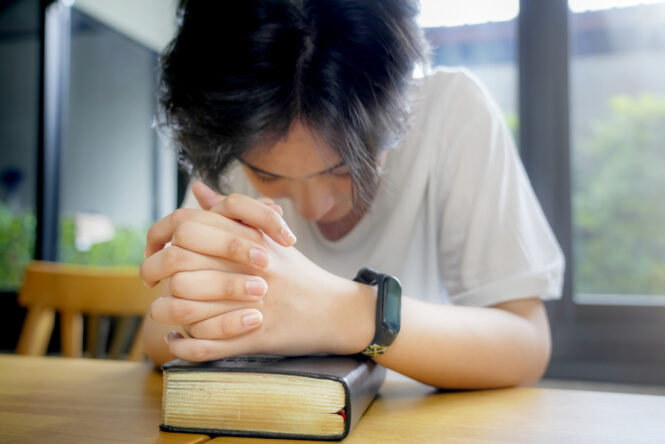
Church isn’t just worship, it’s friendships, mentors, and activities. When you step away, all of that can vanish at once, leaving you more alone than you ever expected.
Rebuilding community as an adult is already tough, and it’s even harder when you’re carrying hurt and distrust. That’s why recovery feels so isolating in the early stages.
Shame lingers long after the moment.
Many churches teach that questioning leaders is rebellion, so when you pull away, guilt and fear can pile up. Instead of being allowed to grieve, you’re told your pain proves weakness or lack of faith.
This creates layers of shame on top of the original hurt. Healing means working through both — the harm that was done and the guilt you were taught to feel for noticing it.
A large part of your identity feels erased.
If you grew up being “the good Christian,” leaving can feel like losing your whole sense of self. You’re left asking who you are without the labels and the structure you always leaned on.
Rebuilding identity is slow work. It means piecing together your values, your morals, and your purpose without relying on ready-made answers that no longer fit.
Gaslighting makes you doubt yourself.
When abuse or neglect is brushed off as “God’s plan” or “a test of faith,” it twists your reality. You start wondering if you misread things or if your pain is even valid at all.
Undoing that damage means learning to trust your instincts again. Believing your own perception is the first step toward feeling safe in your own skin.
Spiritual grief is its own kind of loss.

You might still believe in God on paper, but the closeness you once felt can disappear after hurt. Anger, numbness, or distance takes over, and the bond feels broken.
This grief is like losing a lifelong friend. It takes time to reconnect with faith, and for some, it means reshaping their whole idea of what a relationship with God looks like.
People outside don’t understand the weight.
Friends who haven’t lived it may think you’re being dramatic. They’ll tell you to find another church or just get over it, without realising the scale of what’s been lost.
This lack of recognition deepens the wound. When people minimise religious trauma, it makes you feel even more alone in the process.
Old coping tools stop working.
Prayer, worship, and scripture used to bring comfort, but after hurt they can feel empty or triggering. The very practices you leaned on now bring back memories of harm.
Finding new ways to cope takes patience. It’s like learning a different language for comfort and meaning, and it takes time to discover what feels safe again.
The betrayal cuts deeper than most.
Church often means sharing your struggles with people you trust completely. When those same people turn harmful, the betrayal slices right through your sense of security.
It makes trusting future relationships hard. Learning to open up again means slowly rebuilding your sense of who’s safe and who isn’t, which takes real courage.
Your moral compass feels broken.

Church doesn’t just hand out beliefs, it shapes whole systems of right and wrong. When those systems turn out to be harmful, you’re left unsure of how to navigate life without them.
Rebuilding a moral framework takes time and testing. It means deciding for yourself what feels true, rather than accepting rules that once felt unquestionable.
Old programming lingers in your mind.
Years of sermons and teachings create patterns of guilt and fear that stick long after you leave. You may find old thoughts popping up even when you no longer believe them.
Changing those habits takes consistency. It’s not just unlearning ideas, it’s retraining your mind to respond in healthier ways, which is exhausting but possible.
Finding safe spaces to heal is hard.
Many therapists don’t fully get religious trauma, and some faith-based counsellors focus more on reconciliation than safety. This leaves a gap where it feels like no one understands both sides of the pain.
That’s why recovery often feels slow. You may need to piece together your own support system, choosing carefully who can hold both the spiritual and emotional weight of what you’ve been through.