For something that’s supposed to bring comfort, purpose, and community, religion doesn’t always feel safe.

For many people, religious spaces have been places of judgement, fear, or exclusion, not healing. And while faith itself isn’t the problem, how it’s practiced, enforced, or weaponised can leave deep emotional scars. If religion is going to feel like a refuge again, there are a few uncomfortable realities that need to be faced, and a few things that desperately need to change as soon as possible.
Shame is often used as a control tool.

In some circles, religion has leaned more on fear than love. People are taught that their thoughts, desires, or doubts are wrong or sinful, leaving them with chronic shame rather than spiritual peace. That sort of messaging doesn’t draw people closer to faith—it pushes them away, quietly convincing them that they’re inherently flawed. If religion is meant to guide and uplift, it can’t also be the thing that crushes someone’s sense of self.
Queer people often feel excluded or unsafe.

Many LGBTQ+ individuals grow up hearing that their identity is incompatible with faith. Even in more “welcoming” spaces, acceptance often comes with conditions or silence around real inclusion. This creates a heartbreaking split of being forced to choose between who you are and what you believe. For religion to feel safe, it needs to do more than tolerate queer people. It needs to genuinely affirm them as whole, loved, and spiritual beings.
Doubt is treated like betrayal.
In a lot of religious settings, questioning doctrine or asking hard spiritual questions is seen as dangerous or disloyal. The thing is, curiosity is a natural, and necessary, part of growth. When people are shamed or shut down for their doubts, it creates spiritual anxiety rather than depth. A safer faith environment would leave space for mystery, discussion, and uncertainty without treating it like a threat.
Women are still treated as lesser in many spaces.
Even today, some religions continue to push outdated gender roles, telling women their highest calling is to submit, serve, or stay silent. Their voices are excluded from leadership and their autonomy is often undermined. This creates environments where women can’t fully show up as themselves. A safe religious space would recognise women as equal in spirit, thought, and value, not as secondary support systems for male authority.
Religious trauma isn’t talked about enough.
Spiritual abuse, guilt-based manipulation, and controlling environments are more common than many people realise. But they’re rarely named openly because challenging religion still feels taboo in some circles. When people feel hurt by faith communities, they’re often told to “forgive and move on” rather than process their pain. Making religion safer starts with allowing people to speak about their wounds without fear of being dismissed.
Mental health is sometimes ignored or over-spiritualised.
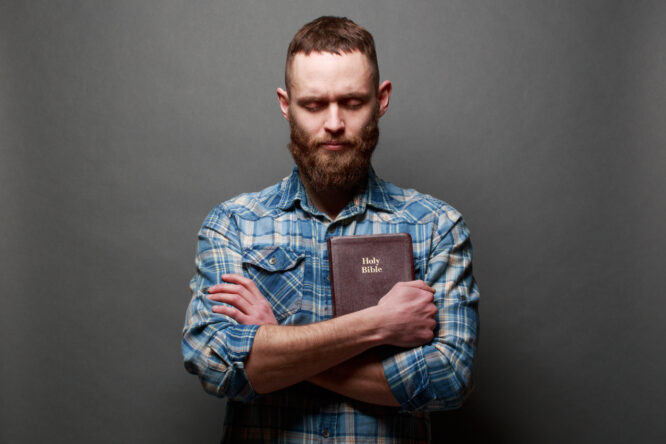
In some traditions, depression, anxiety, or trauma are seen as spiritual weakness rather than human experiences. Prayer is offered instead of therapy. Struggles are met with verses, not validation. This can be isolating and even harmful. Faith and mental health can work together, but religion needs to stop pretending it’s the only solution. A safe space acknowledges both emotional and spiritual realities, without minimising either.
The pressure to be “perfect” is overwhelming.

Religious communities often celebrate people who look like they’ve got it all together. There’s pressure to appear devout, pure, and righteous, even if it means hiding real struggles. This culture of surface-level holiness doesn’t help anyone grow. A truly safe spiritual environment would allow people to be messy, imperfect, and honest, without worrying they’ll be judged or excluded for it.
Not all bodies feel welcome.
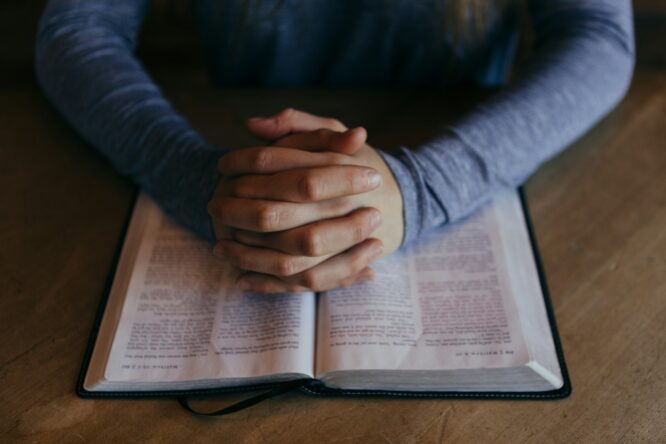
Some faith settings promote modesty in a way that shames bodies, especially women’s. Others ignore or exclude people with disabilities, chronic illnesses, or different physical needs. When religion polices how you dress, move, or exist in a space, it stops feeling holy and starts feeling hostile. If faith is meant to embrace all of humanity, that has to include all bodies, without shame or restriction.
Religion is used to justify abuse of power.
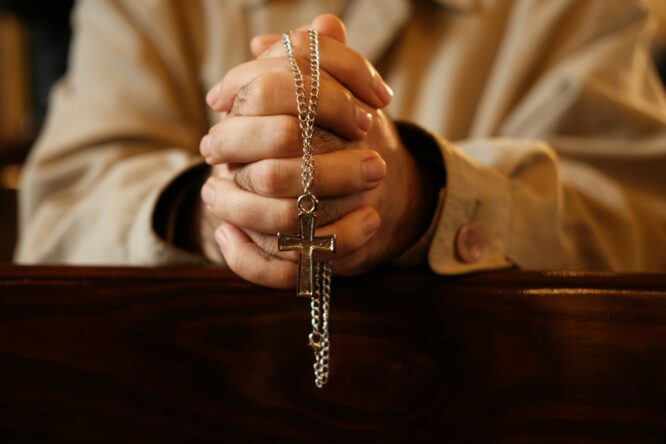
Throughout history, and still today, religion has been used to protect abusers, silence victims, or uphold injustice. When institutions prioritise reputation or hierarchy over human lives, faith becomes a shield for harm. This deeply undermines trust. To rebuild it, religious institutions have to stop covering up wrongdoing and start centring justice, transparency, and real accountability.
Belonging is often conditional.
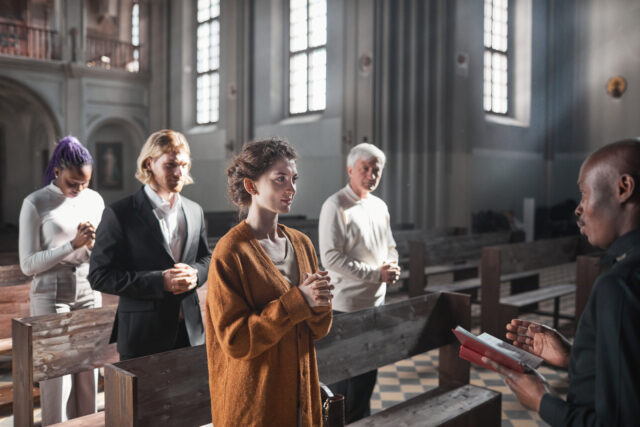
Many people feel like they’re only welcome in religious spaces if they tick the right boxes—believe the right things, behave the right way, love the right people. Any deviation becomes a reason to exclude or “correct” them. This creates a culture of fear, not faith. A safe community would say, “You belong,” without adding, “as long as you follow all our rules.” Unconditional love has to actually mean unconditional.
Diversity is still treated as a threat.
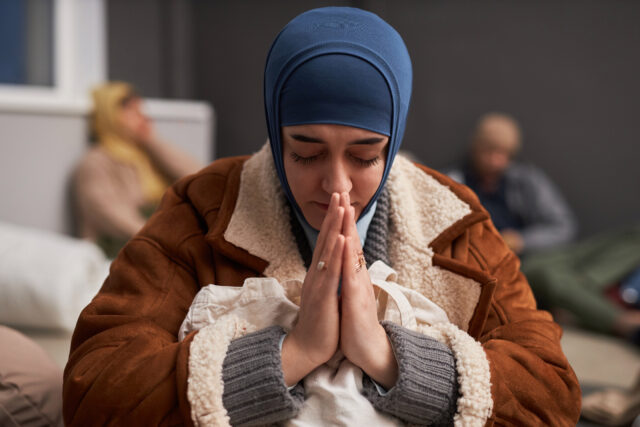
Some religious groups cling to sameness and treat difference, whether cultural, theological, or personal, as a threat to unity. But real unity isn’t about everyone being the same. It’s about learning how to honour difference without erasing it. People feel safer in spaces where they don’t have to downplay their background or identity to fit in. Faith should widen the table, not shrink it to keep things comfortable.
Community doesn’t always mean connection.

Just because someone is surrounded by people doesn’t mean they feel seen. Religious communities often praise togetherness, but overlook how lonely or invisible people can feel within them. Safe faith spaces don’t just organise events, they create real relationships. They check in when someone disappears. They notice when someone’s struggling. They care in ways that go beyond Sunday morning niceties.
Repentance is demanded, but grace is withheld.
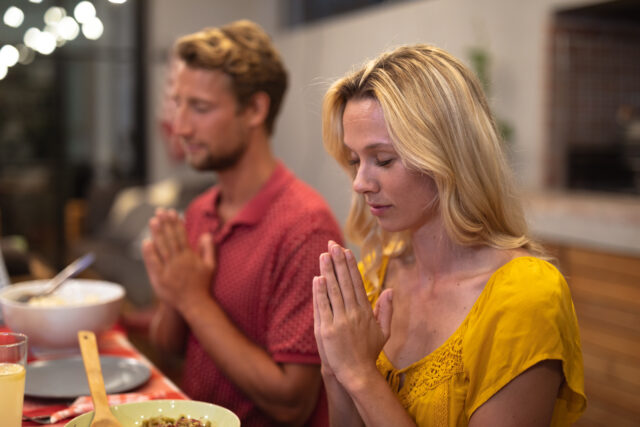
Some people are expected to beg for forgiveness endlessly, but never actually feel forgiven. Their past is constantly brought up, their sins linger longer than their apologies. That sort of spiritual performance is exhausting. If grace is a core value of a faith, it needs to be given fully, not dangled over people’s heads as a reward for perfect behaviour.
What needs to change
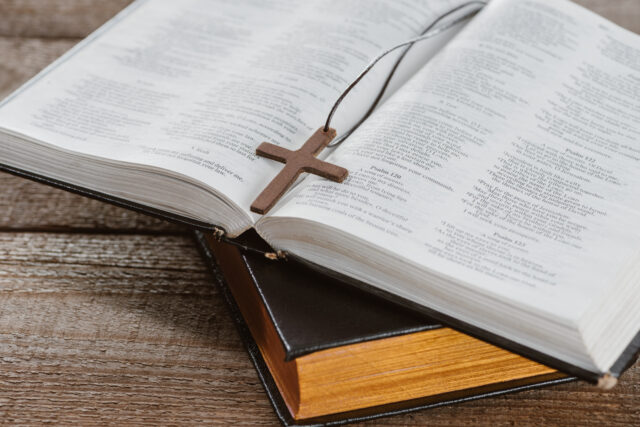
Religion should be a place of safety, not fear. And that starts with making space for honesty—honest stories, honest questions, and honest change. Leaders need to listen more than they lecture. Communities need to make room for people who don’t fit the mould. When faith is rooted in love instead of rules, it becomes expansive. It heals instead of harms, and it reminds people that they are not just welcome, but wanted as they are, not as someone else expects them to be.